Richard Henry Lee was a signer of the Declaration of Independence and author of the “Lee Resolution”.
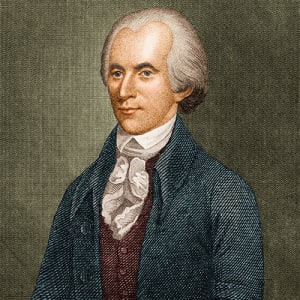
Richard Henry Lee at a glance (1732–1794)
If you know one “headline” about Richard Henry Lee, it’s this: he’s the Virginian who stood up in the Continental Congress and formally moved for independence—the famous June 7, 1776 resolution that pushed the colonies from protest into nation-building.
- Born: 1732 (commonly given as January 20, 1732), Westmoreland County, Virginia
- Died: June 19, 1794, at “Chantilly,” Westmoreland County, Virginia
- Profession: Virginia planter/merchant and full-time public servant—best known as an orator, organizer, and political strategist
Early life at Stratford Hall
Lee grew up at Stratford Hall, the big Lee family plantation on Virginia’s Northern Neck. The household ran on structure and expectations—tutors (including Scottish ministers), long school days, and the assumption that public leadership was part of the family job description.
To understand Richard Henry Lee’s worldview, it helps to remember that the Lees weren’t just “local gentry.” Their family connections stretched across the Atlantic, and they thought in trans-Atlantic terms—trade, law, politics, and social standing. That’s a big reason Lee was sent to England as a teenager to finish his education, absorbing British customs and political ideas up close.
Education in England—and becoming an orphan
Around age 16, Lee sailed to England and studied at Wakefield Academy in Yorkshire. Then life turned hard and fast: both of his parents died in 1750, and he returned home to Virginia carrying not only an education, but responsibility.
Back in Virginia, he read widely—classics, history, political theory—then started stepping into public roles while also trying to make plantation economics work in a volatile tobacco market.
A quick family snapshot
Lee married Anne Aylett in 1757 (she died in 1768), and later married Anne Gaskins Pinckard. The DSDI profile notes Lee had a large family (it lists 11 children).
Launching a public career in Virginia
Lee didn’t “enter politics” so much as he grew into it early:
- Justice of the Peace, Westmoreland County (1757)
- Virginia House of Burgesses (elected 1758)—and he held similar legislative influence for much of his adult life
One striking detail from the DSDI profile: one of Lee’s early speeches argued against the slave trade into Virginia, calling for heavy taxation to discourage the importation. It’s an important window into his habit of speaking bluntly on controversial subjects—sometimes ahead of where colleagues were comfortable.
Like many Virginians, Lee’s relationship with British policy hardened during the Stamp Act crisis. He’s associated with the Westmoreland Resolves (1766)—part of the public pushback against “taxation without representation.”
From colony complaints to the Continental Congress
By 1774, Virginia’s political temperature was rising—and Lee was right in the middle of it. He was elected to the Virginia convention that debated British grievances and then chose delegates to the First Continental Congress in Philadelphia.
Lee’s life during these years reads like constant travel: Northern Neck ↔ Williamsburg/Richmond ↔ Philadelphia. The DSDI article also describes him as a person comfortable speaking publicly—tall, slim, and unafraid to press an argument.
The Lee Resolution: pushing the door fully open (June 7, 1776)
Here’s the moment that makes him unforgettable.
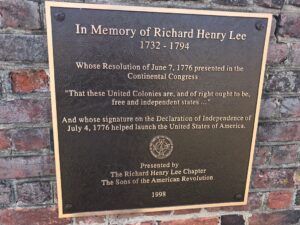
On June 7, 1776, as head of Virginia’s delegation, Lee offered the motion that the colonies “are, and of right ought to be, free and independent States.” John Adams seconded it. Congress didn’t vote immediately, but it set the train in motion—and it’s why later generations often call it the “Lee Resolution.”
The DSDI profile adds a very human wrinkle: Lee was needed back in Virginia to help with urgent state matters, so he wasn’t in Philadelphia for the July 4 vote, but he returned in time to sign the Declaration in August.
Building the new government: Articles of Confederation and beyond
Lee didn’t stop at “independence, the end.”
According to the DSDI account, after introducing the independence motion he also chaired/served on key work to draft the Articles of Confederation (the country’s first national framework), and he later signed the Articles—one of the relatively small group of Declaration signers who did both.
After that, he stayed active in debates that sound familiar even today: state boundaries, taxation, and how strong the central government should be.
Controversy, accusations, and a public defense
Lee’s career also came with enemies. The DSDI profile describes accusations that swirled around him—claims about western land speculation and even insinuations about undermining Washington. Lee pushed back hard and requested investigation; the Virginia Assembly ultimately cleared him and formally thanked him for faithful service.
This is one of those “founder” stories that feels very modern: big political stakes, hard rhetoric, personal reputation on the line, and public institutions trying (sometimes clumsily) to sort fact from rumor.
Wartime service close to home
Lee also served in a militia leadership role. The DSDI article highlights an episode in 1781 when British raiding threatened the Potomac region; Lee was recommissioned as a militia colonel and helped rally defense near Stratford Landing, describing a skirmish and injuries in correspondence.
Senior statesman: President of Congress and U.S. Senator
After the Revolution, Lee remained deeply involved:
- President of the Confederation Congress (1784)
- A leading voice among Virginians wary of expanding federal power; he opposed the Constitution as written and argued strongly for protections that would become the Bill of Rights
- One of Virginia’s first U.S. Senators (1789–1792)
His health declined sharply by the early 1790s, and he retired from public life in 1792.
Death and burial (SignersTour travel note)
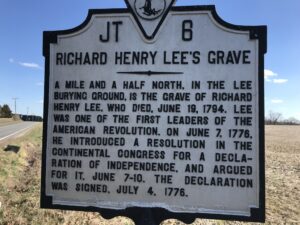
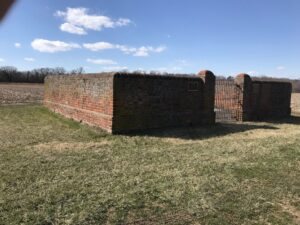
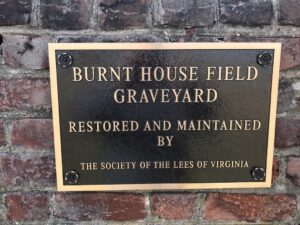
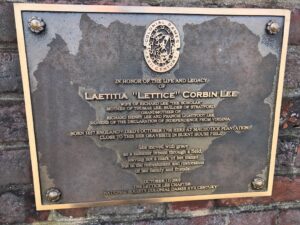
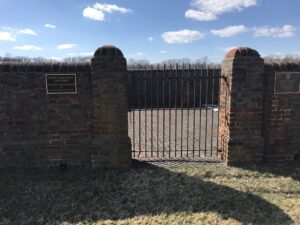
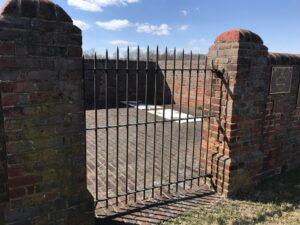
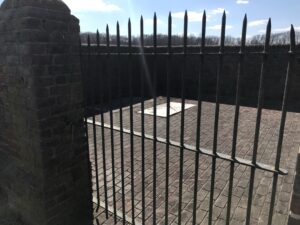
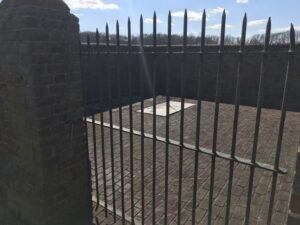
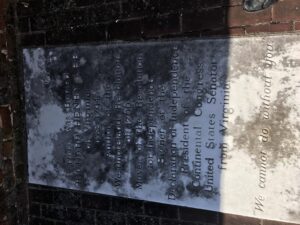
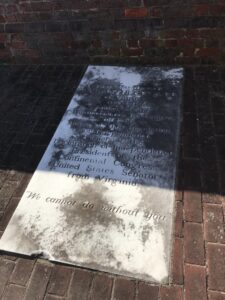
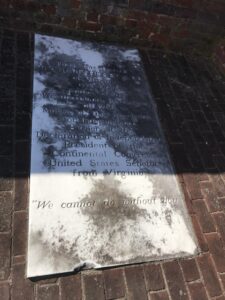
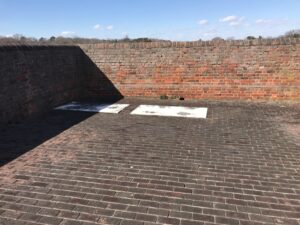
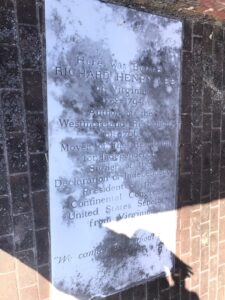
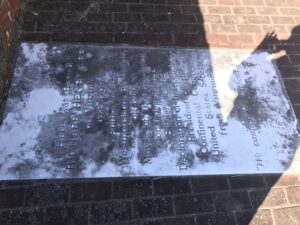
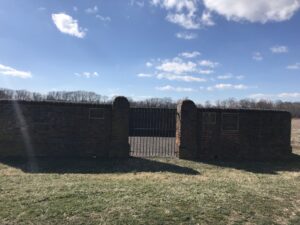
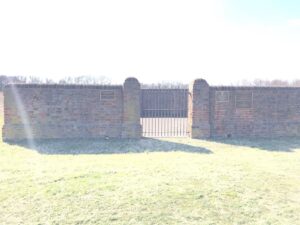
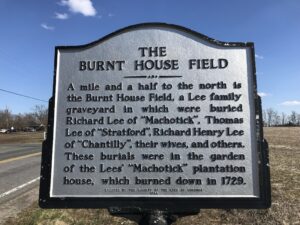
Lee died June 19, 1794, at “Chantilly” in Westmoreland County. The DSDI article says he was buried at the Lee family cemetery at “Burnt House Field”, with an epitaph-style marker highlighting his greatest public roles—Westmoreland Resolves, independence resolution, Declaration signer, President of Congress, U.S. Senator.
SignersTour-style travel note:
- Stratford Hall is open to the public and is one of the best “anchor stops” in the Northern Neck for understanding the Lee family’s world. The DSDI profile notes visitor amenities and also mentions that while Lee’s own “Chantilly” no longer survives, visiting Stratford Hall still brings the story to life.
- From Stratford Hall, the Lee burial ground at Burnt House Field is described as roughly 20 miles away.
Why Richard Henry Lee still matters
Richard Henry Lee’s legacy isn’t just that he signed the Declaration—it’s that he helped force the question: Are we actually going to become independent, or just complain loudly forever? Then, when independence became real, he stayed in the grind of building government, arguing over power, rights, and the shape of the union.
If you’d like, I can also add a separate “Burial Site & Visitor Tips” box in your usual SignersTour formatting (directions-friendly, what to look for, nearby stops in Westmoreland County).

Leave a Reply