Carter Braxton
Signer of the Declaration of Independence (Virginia)
September 10, 1736 – 1797
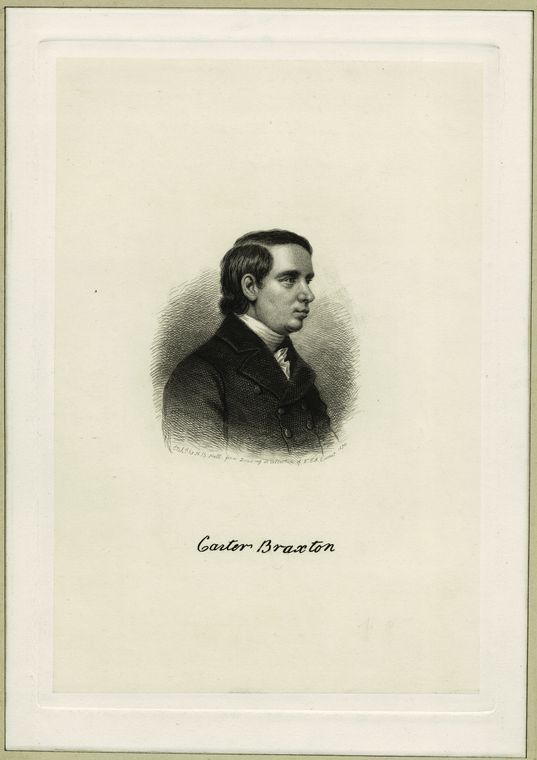
Early Life and Family Roots
Carter Braxton entered the world on September 10, 1736, at Newington Plantation in Virginia. His mother, Mary Carter, died just seven days after his birth.
Braxton descended from powerful Virginia families. The Braxtons traced their lineage to England and maintained influence in colonial government. His grandfather built a strong estate along the Mattaponi River.
On his mother’s side, the connection was even more striking. Mary Carter was the daughter of Robert “King” Carter, one of the wealthiest and most powerful men in colonial America. “King” Carter held vast land holdings (hundreds of thousands of acres) and occupied some of the highest offices in the colony, including Speaker of the House of Burgesses and acting governor.
Braxton was born influential, but his life proved challenging.
Orphaned Young, Educated Early
Braxton lost his father while still in his teenage years. With both parents gone, he was raised by relatives and family friends—a situation that shaped his independence early in life.
Despite these hardships, he received a strong education. He attended the College of William and Mary, one of the premier institutions in the colonies. There, he developed the intellectual foundation and social connections that would later carry him into public life.
After his father’s death, Braxton inherited the family estate of Newington, managing land, wealth, and responsibility at an early age.
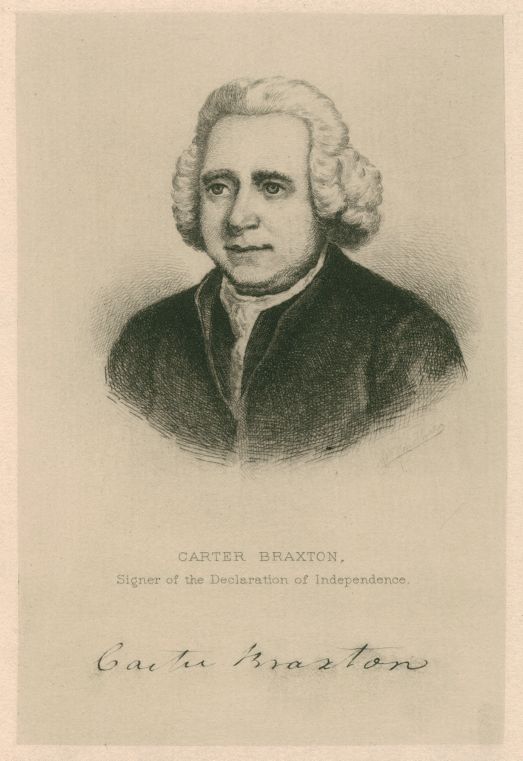
Marriage, Loss, and Time in England
In 1755, Braxton married Judith Robinson, a member of another leading Virginia family. Their marriage ended when Judith died in 1757, after their second child was born.
Haunted by grief and desperate, Braxton traveled to England later that year, seeking refuge. He remained there for about three years.
In England, he gained firsthand insight into British politics and attitudes. He observed Britain’s intent to tax the colonies more aggressively.
Braxton returned to Virginia in 1760 with a broader perspective and deeper awareness of rising colonial tensions.
Return to Virginia and Entry into Politics
Upon returning, Braxton quickly entered public life. He was elected to the Virginia House of Burgesses, where he served from 1760 until 1775.
During this time, he remarried—this time to Elizabeth Corbin, the daughter of another influential Virginia family. This marriage helped solidify his position among Virginia’s elite. Politically, Braxton aligned with conservative Tidewater leaders. He supported colonial rights but approached conflict with Britain cautiously, favoring measured responses over revolutionary rhetoric.
Still, he stood firmly with Virginia when it mattered.
- He witnessed and supported resistance to the Stamp Act.
- In 1769, he joined leaders like Washington and Jefferson in signing the Virginia Resolves.
- He also supported non-importation agreements to resist British economic control.
The Road to Revolution
By 1775, events escalated after the first shots at the Battles of Lexington and Concord. Braxton joined the Virginia Colonial Convention.
One of his most notable moments came during the gunpowder crisis involving Lord Dunmore, the royal governor of Virginia. When Dunmore removed gunpowder from Williamsburg, tensions nearly exploded into open conflict.
While others pushed toward violence, Braxton helped defuse the situation. Acting as a mediator, he convinced his father-in-law, who held financial authority in the colony, to compensate for the gunpowder, avoiding bloodshed.
This moment shows Braxton valued stability and order, even during revolution.
Continental Congress and the Debate Over Independence
Later in 1775, after Peyton Randolph’s death, Braxton was appointed to the Continental Congress.
Here, we see one of the most interesting aspects of his story.
Unlike many of his fellow delegates, Braxton initially opposed independence.
In early 1776, he argued independence was risky and unstable, citing failed republics and potential dangers.
Even during debates following Richard Henry Lee’s resolution for independence in June 1776, Braxton continued to resist.
However, as the colonies drew closer to independence, Braxton’s perspective began to change.
Signing the Declaration of Independence
By early July 1776, Carter Braxton shifted his position.
- He supported the Declaration of Independence on July 4
- He signed the document on August 2, 1776
This transition—from cautious skeptic to committed signer—shows the profound shift in Braxton’s heart. His journey is marked by doubt, fear, and finally, courageous resolve.
He was not the loudest proponent, but he stood by the decision and accepted its consequences.
Later Political Career
After his time in Congress, Braxton returned to Virginia politics.
He remained active in the Virginia legislature (1777–1785) and later on the Council of State until his death.
However, his political career wasn’t without setbacks. He lost favor with some leaders when he opposed more democratic reforms. His conservative leanings, which had defined much of his career, now placed him at odds with a changing political landscape.
Still, he continued to serve—and remained respected.
Financial Struggles and Sacrifice
One of the lesser-known parts of Braxton’s story is the financial cost of his patriotism.
He invested heavily in the American cause:
- He loaned money to support the Revolution.
- He financed ships and privateering efforts.
Unfortunately, many of these investments were lost. British forces destroyed ships and damaged his plantations, leaving him deeply in debt.
By 1786, he was forced to leave his estate at Chericoke and move to a smaller home in Richmond.
Not all Founders prospered after independence. Braxton paid a real personal price.
Personality and Reputation
Those who knew Carter Braxton described him as:
- Agreeable and well-mannered
- A smooth and capable speaker
- A gentleman with a cultivated intellect
Though he lacked Patrick Henry’s fiery eloquence, his speaking was easy and flowing. He carried himself with dignity.
Even during hardship, his reputation remained. He was honorable and a faithful servant.
Final Years and Death
Braxton spent his final years in Richmond after losing much of his wealth.
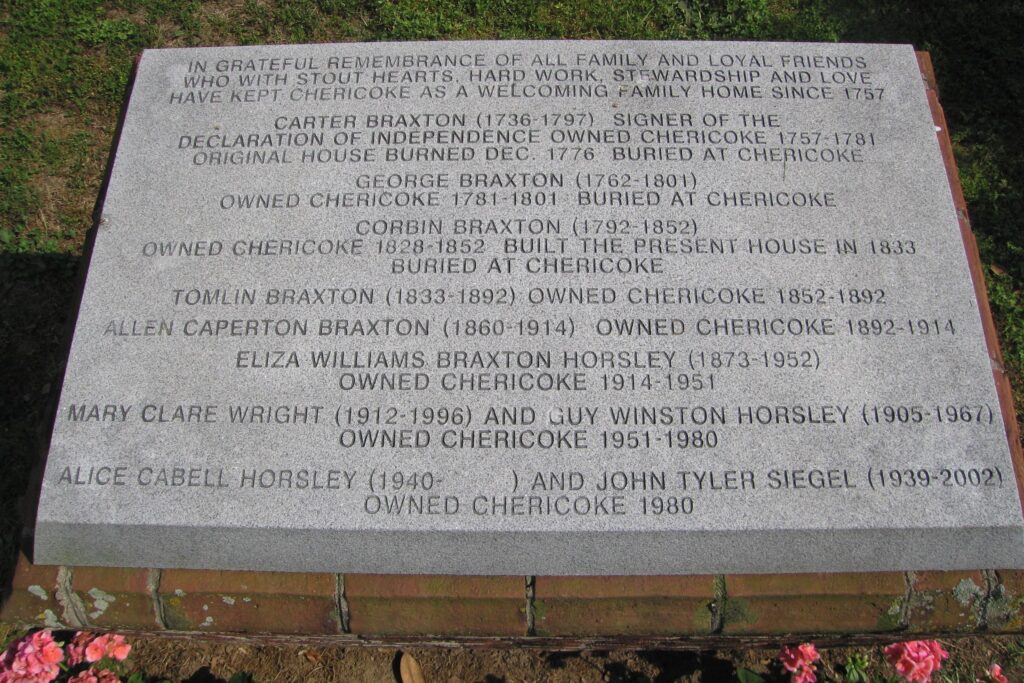
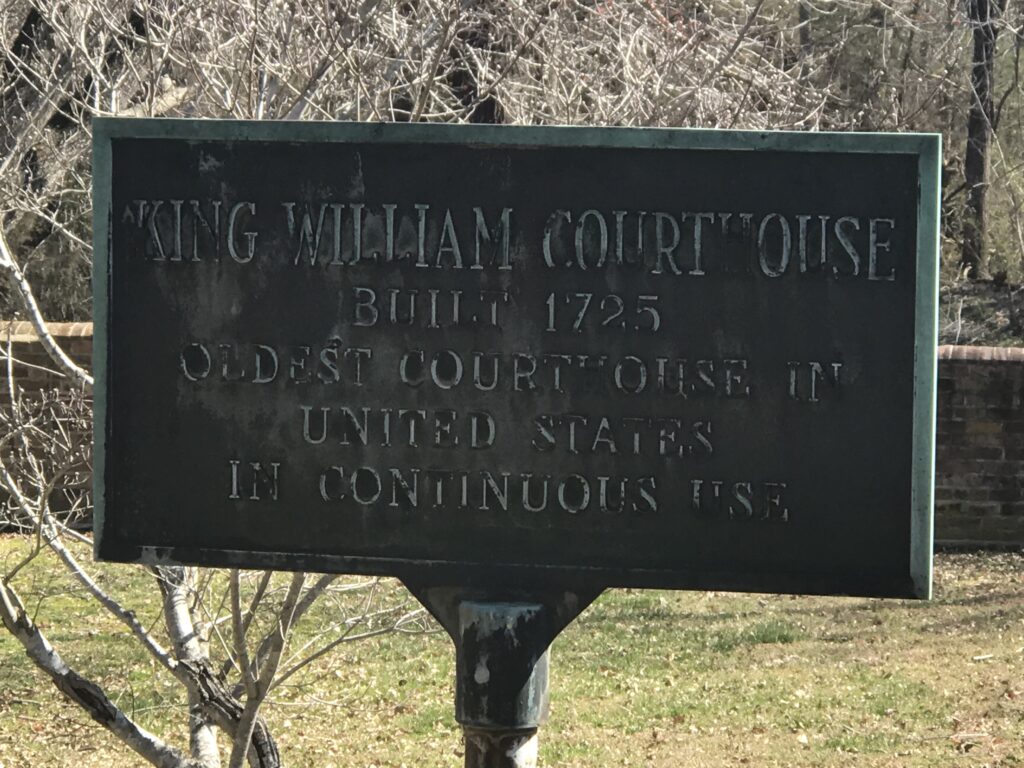
He died in 1797 and was buried at his estate, Chericoke, in King William County.
Over time, the original grave markers faded, making the exact burial locations difficult to identify.
Today, his legacy lives on not only in Virginia but also in national memorials honoring the signers of the Declaration throughout the United States of America.


Closing Perspective
Braxton’s story pulses with quiet resolve, not the blaze of revolution.
He began as a cautious observer, skeptical of independence and wary of its consequences. But when the moment came, he chose to stand with his fellow patriots and sign the Declaration of Independence.
He made financial sacrifices, endured political shifts, and remained committed to public service.
Braxton shows a quieter Founder—one who wasn’t always leading but showed up when it mattered.
And that, in itself, deserves to be remembered—not just with words, but with gratitude for the courage quietly carried.
Leave a Reply