Francis Marion (“The Swamp Fox”), (Brigadier General)
Birth, Early Life, and Background
Francis Marion was born on February 26, 1732, in Berkeley County, South Carolina (then part of the Province of South Carolina). He came from a family of French Huguenot descent—refugees who had fled religious persecution in Europe and settled in the American colonies. That background mattered. It shaped a quiet toughness and independence that would later define his military style.
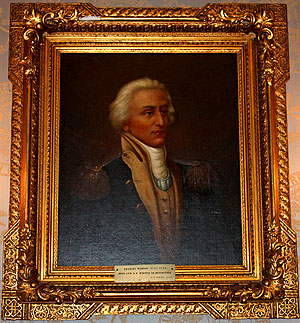
1. Francis Marion 1732-1795
1st Provincial Congress of South Carolina 1775
South Carolina Senate 1781-1790
Brigadier General – American Revolution
Artist: P.P. Carter
As a young man, Marion didn’t fit the mold of a traditional soldier. He was small in stature, not physically imposing, and not formally trained in military academies. But he developed something more valuable—resourcefulness. Early on, he tried life at sea, but after a rough voyage (including a shipwreck experience), he returned to land and took up plantation life.
His early exposure to the frontier and the backcountry of South Carolina gave him an intimate knowledge of the terrain—swamps, rivers, forests. That knowledge would later become one of his greatest weapons.
Early Military Experience
Before the American Revolution, Marion gained his first taste of combat during the French and Indian War. He served as a militia officer, learning the basics of military structure and discipline.
But even then, he wasn’t a conventional officer. He observed how European-style warfare didn’t always fit the realities of the American landscape. That insight stayed with him—and when the Revolution came, he applied it in ways few others did.

Revolutionary War: The Rise of the “Swamp Fox”
When the American Revolutionary War broke out, Marion threw himself into the Patriot cause. Early in the war, he served in more traditional engagements, including the defense of Charleston.
After the fall of Charleston in 1780, things changed dramatically. The British believed they had effectively crushed organized resistance in South Carolina. That’s when Marion stepped into his defining role.
Instead of fighting head-on, he adapted.
Marion organized a small, mobile force of militia men who knew the land as well as he did. They moved quickly, struck suddenly, and disappeared into the swamps. They attacked supply lines, ambushed British patrols, and disrupted communication.
This was guerrilla warfare—long before it was widely recognized as such.
British officers grew frustrated. One of them reportedly called him a “damned old fox,” and the nickname “Swamp Fox” stuck. It fit perfectly.

Marion’s men lived off the land, endured harsh conditions, and operated with minimal resources. Yet they consistently outmaneuvered better-equipped British forces. His campaigns helped keep the Patriot cause alive in the South during its darkest period.
He didn’t win massive, headline-grabbing battles. Instead, he won something more important—momentum, morale, and persistence.
Leadership Style and Character
Marion led by example. He lived the same rough conditions as his men, shared their hardships, and earned their loyalty. He wasn’t flashy or dramatic—he was steady, disciplined, and relentlessly practical.
He also showed restraint. Unlike some partisan fighters of the time, Marion worked to maintain order and avoid unnecessary cruelty. That helped build trust among civilians, which in turn supported his operations.
In many ways, he represented a different kind of military leader—not the polished general, but the adaptable fighter who understood his environment and used it to his advantage.
Political Career and Later Life
After the war, Marion didn’t fade away. He transitioned into public service, reflecting a common path for many Revolutionary leaders.
He served in the South Carolina state senate, helping to shape the new government in the post-war years. He also participated in the state’s constitutional convention, contributing to the foundation of South Carolina’s governance.
In addition, he was given a command in the state militia, though his active fighting days were behind him.
Unlike some figures of the Revolution, Marion didn’t seek national prominence. He remained rooted in South Carolina, focused on local leadership and rebuilding after the war.
Death and Legacy
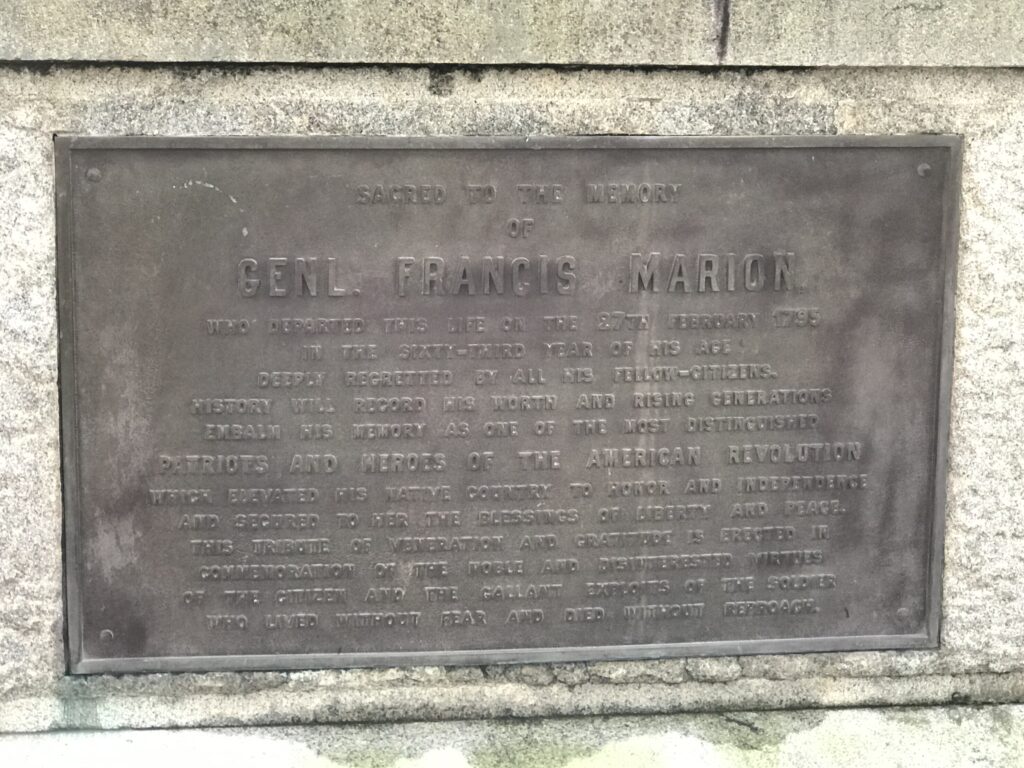
Francis Marion died on February 27, 1795, just one day after his 63rd birthday.
His legacy, however, was carried forward.


He became a symbol of ingenuity and resilience—proof that the American cause didn’t rely solely on large armies or formal strategies. Sometimes, it depended on individuals who understood how to fight differently.
Marion’s tactics influenced future military thinking, particularly in irregular and guerrilla warfare. His story has been retold in books, folklore, and even film, often emphasizing his ability to outthink rather than overpower his enemy.
Why Francis Marion Still Matters
When you step back and look at the Revolutionary War, it’s easy to focus on the big names and major battles. But the war wasn’t won by those alone.
Figures like Francis Marion played a critical role in keeping the fight alive when it could have easily collapsed—especially in the Southern colonies.
He reminds us that success doesn’t always come from strength in numbers or superior firepower. Sometimes, it comes from adaptability, persistence, and knowing your terrain—both literally and figuratively.
That’s the story of the Swamp Fox.
Leave a Reply