George Taylor (1716–1781)
Signer of the Declaration of Independence from Pennsylvania
Birth and Early Life
George Taylor was born in 1716 in County Antrim, Ireland, the son of a Protestant clergyman. While little is recorded about his early childhood, it is known that he received a solid education that prepared him for a life of enterprise and public service.
At about twenty, Taylor immigrated to the American colonies. Like many young immigrants of the era, he came as an indentured servant, agreeing to work for a fixed number of years in exchange for passage across the Atlantic. He arrived in Pennsylvania in 1736 and was placed with Samuel Savage, an ironmaster in the Durham Iron Works near the Delaware River.
Taylor’s intelligence and industrious nature quickly distinguished him. By the time his term of indenture ended, he had become an experienced ironworker and manager. His abilities impressed his employer, and his circumstances soon improved dramatically.
Marriage and Family
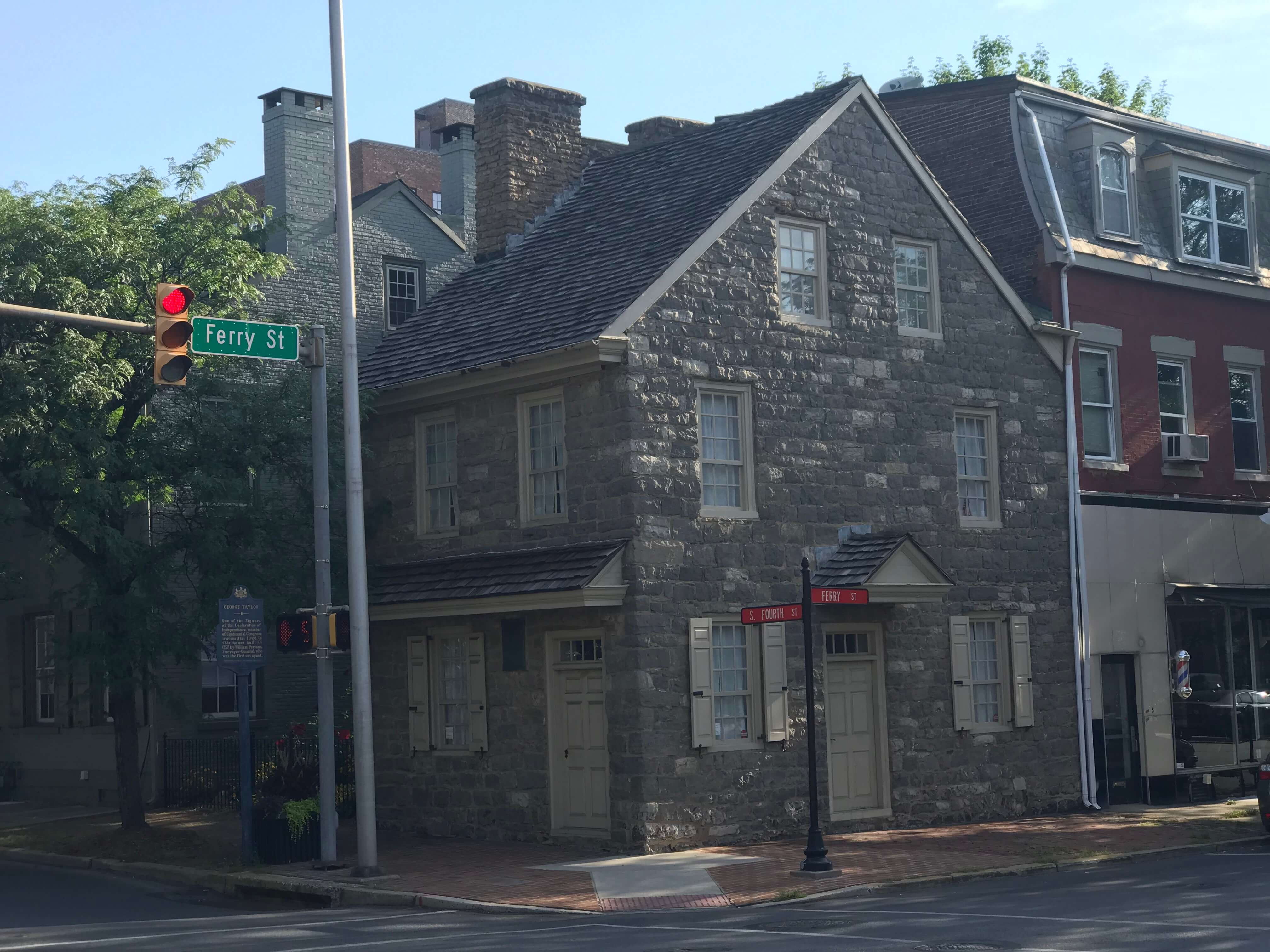
George Taylor’s fortunes changed significantly when he married Ann Savage, the widow of his former employer, Samuel Savage. This marriage elevated Taylor’s social and economic standing and placed him in charge of substantial business interests, including ironworks operations.
The marriage provided him with financial stability and a respected position within the local community. Although little is recorded about the children of the marriage, the union helped transform Taylor from a former indentured servant into a successful industrialist and landowner.
Taylor later married again after Ann’s death, though details of his second marriage are less frequently highlighted in historical accounts. His personal life, however, was always closely tied to his work and public service.
Professional Career in the Iron Industry
George Taylor’s primary profession was in the iron industry, which played a critical role in the colonial economy and later in the Revolutionary War effort.
After gaining experience at Durham Iron Works, Taylor became an ironmaster, overseeing operations and managing workers. He later took charge of the Warwick Furnace and Coventry Forge, important iron-producing facilities in Pennsylvania.
His work in iron production was essential to the colonies. Ironworks like the ones he managed produced:
- Tools for agriculture and construction
- Household goods
- Industrial equipment
- Cannonballs and other military supplies during the Revolution
Taylor’s skill as a manager and ironmaster made him a respected figure in Pennsylvania’s industrial and political circles. His success in business helped establish his reputation as a capable leader and patriot.
Early Public Service and Government Roles
Taylor’s success in business led naturally to involvement in public affairs. He became active in local government and community leadership.
He served in several important roles, including:
- Justice of the Peace in Northampton County
- Representative in the Pennsylvania Provincial Assembly
His reputation as a fair and competent leader helped him gain the trust of his neighbors and fellow citizens.
As tensions between the American colonies and Great Britain increased in the 1760s and 1770s, Taylor became more involved in the political issues of the day. Like many colonial leaders, he opposed British taxation policies imposed without colonial representation.
Role in the American Revolution
George Taylor’s political influence grew during the years leading up to the American Revolution. He supported the colonial cause and became involved in revolutionary committees and assemblies.
In 1775, he was elected to the Pennsylvania Committee of Safety, a body responsible for organizing defense and preparing the colony for possible conflict with Great Britain.
He also served in the Pennsylvania Provincial Assembly, where he worked alongside other prominent leaders of the independence movement.
Taylor’s background in the iron industry proved especially valuable during the war. The furnaces and forges he managed supplied iron products that were crucial to the colonial war effort. These facilities produced cannonballs and other military supplies for the Continental Army.

Signing the Declaration of Independence
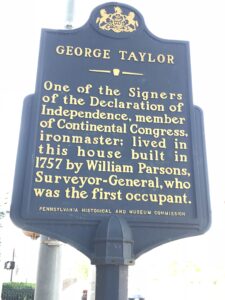
George Taylor was not originally a member of the Continental Congress. However, in July 1776, circumstances changed.
Pennsylvania’s delegation in Congress underwent a shift when some members who opposed independence were replaced. Taylor was selected as a replacement delegate and arrived in Philadelphia shortly after the Declaration of Independence had been approved on July 4, 1776.
Although he was not present for the initial vote, he was among those who signed the Declaration when the formal signing took place on August 2, 1776.
By signing the document, Taylor committed himself fully to the revolutionary cause. As with all the signers, this act placed his life, property, and reputation at great risk. If the Revolution had failed, the signers would have faced severe punishment for treason.
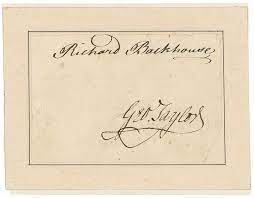
Taylor’s signature stands as a testament to his transformation—from an indentured servant newly arrived in America to a respected industrialist and patriot willing to risk everything for independence.
Later Years and Public Life
After signing the Declaration, Taylor continued his public service and business activities for several more years.
However, like many patriots of the era, the war years were financially difficult. The disruptions of the Revolution affected trade, production, and property values. Taylor’s iron operations and other investments suffered during this turbulent period.
Despite these challenges, he remained respected as a signer and a supporter of independence. His life reflected the opportunities available in the colonies, where a determined immigrant could rise to prominence through hard work and integrity.
Death and Burial
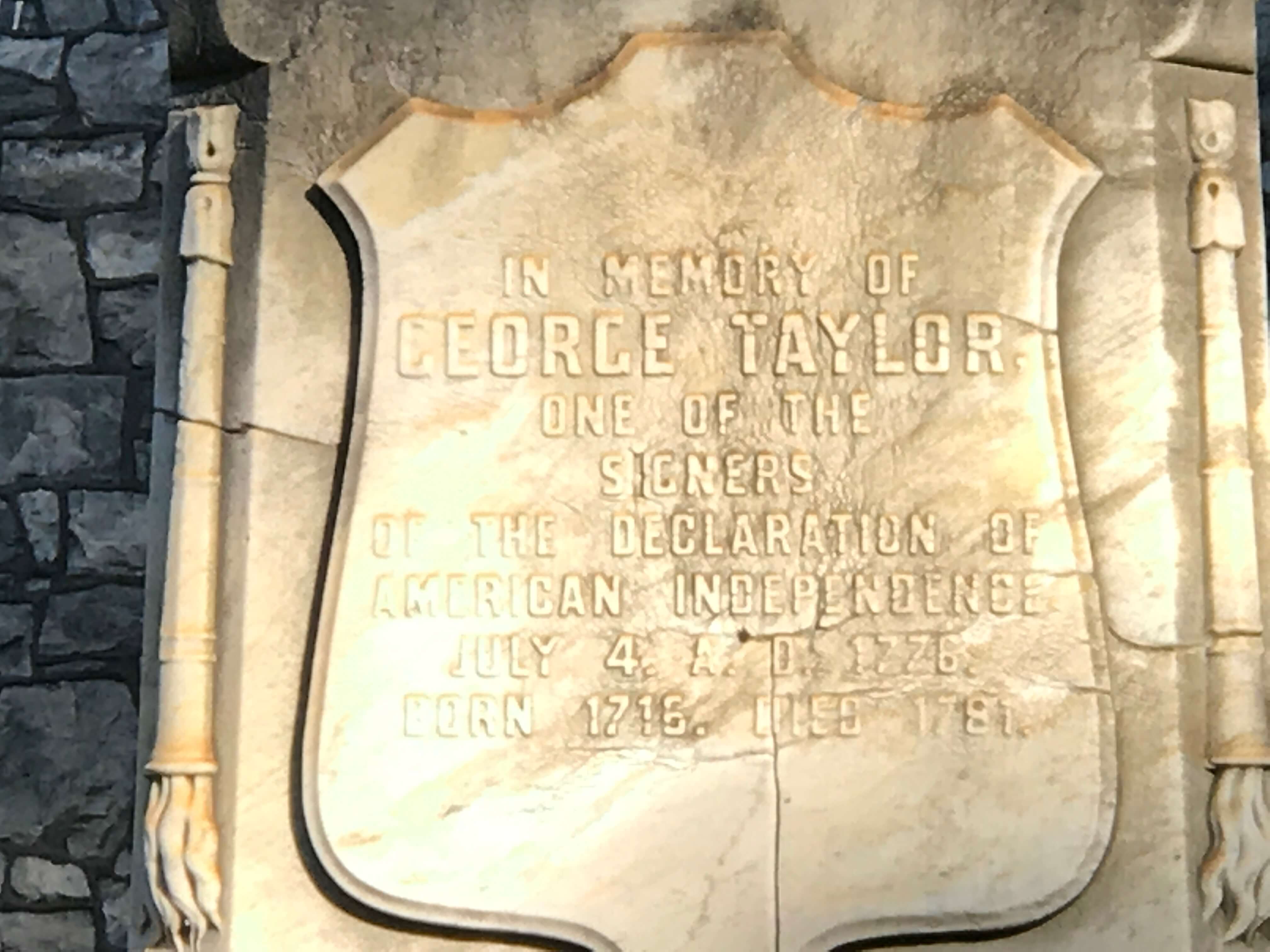
George Taylor died on February 23, 1781, at the age of about sixty-five.
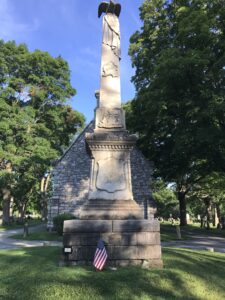
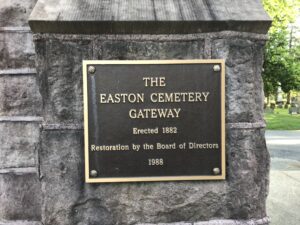
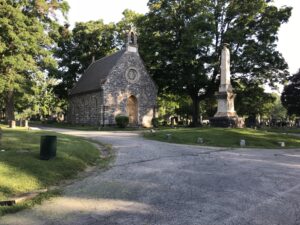
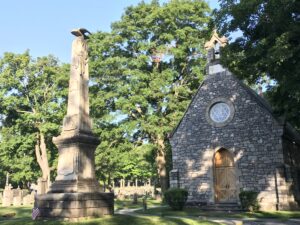
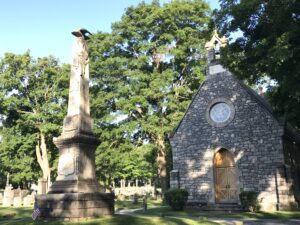
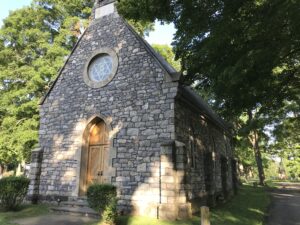
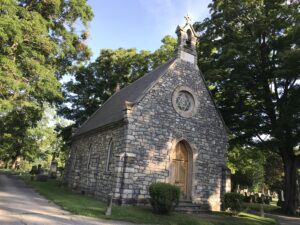
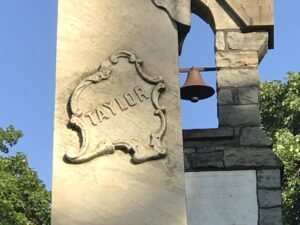
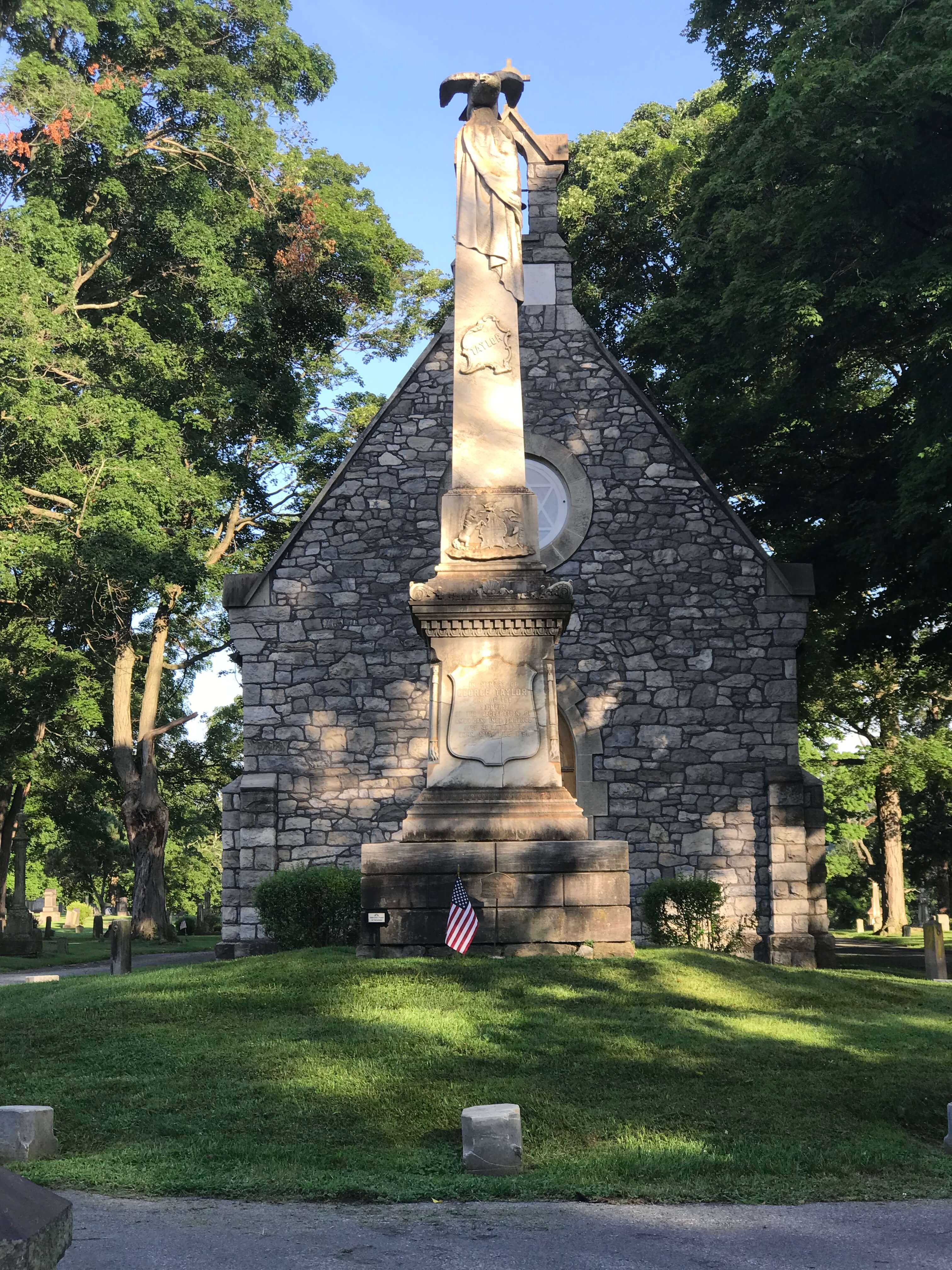
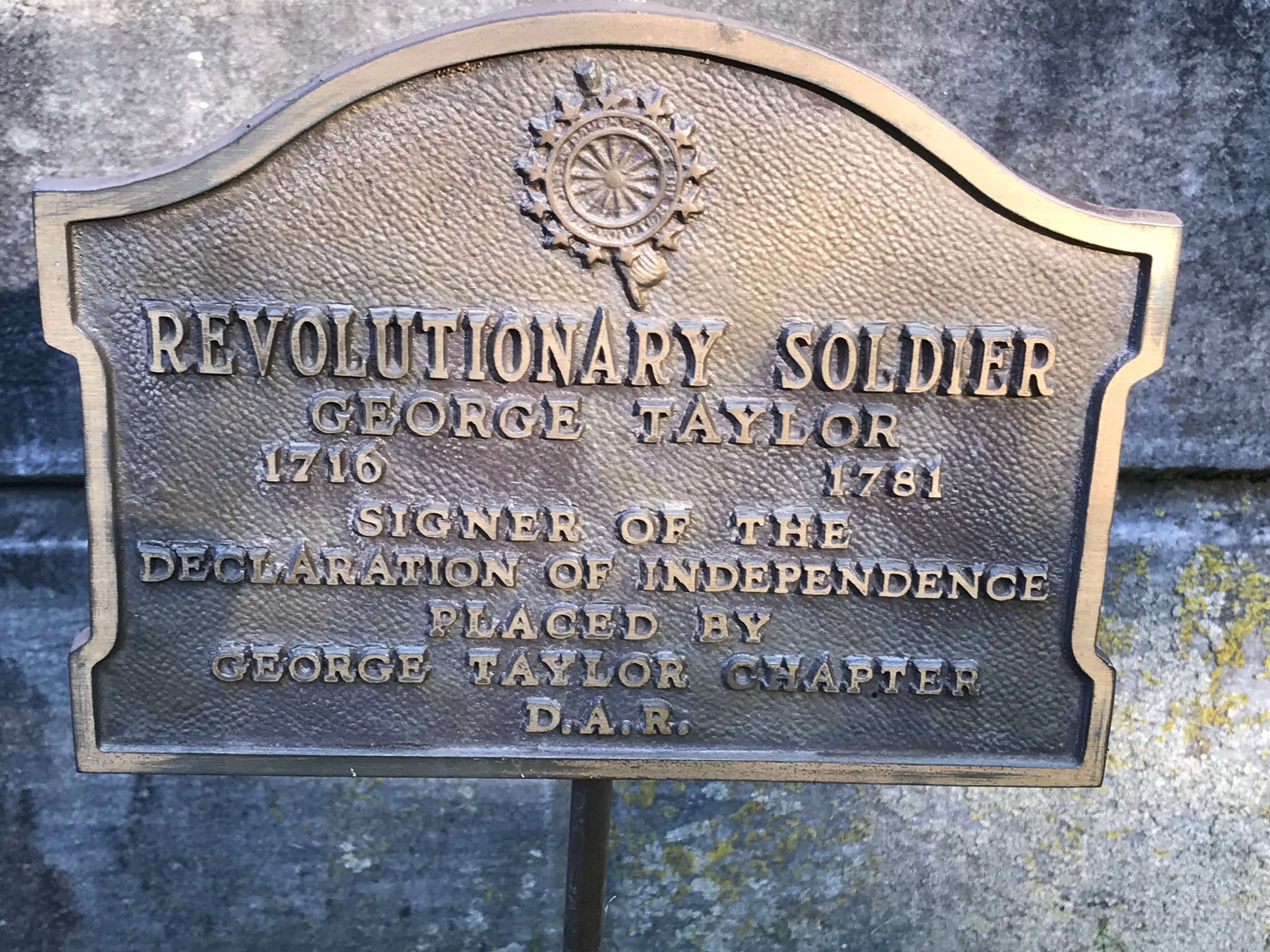
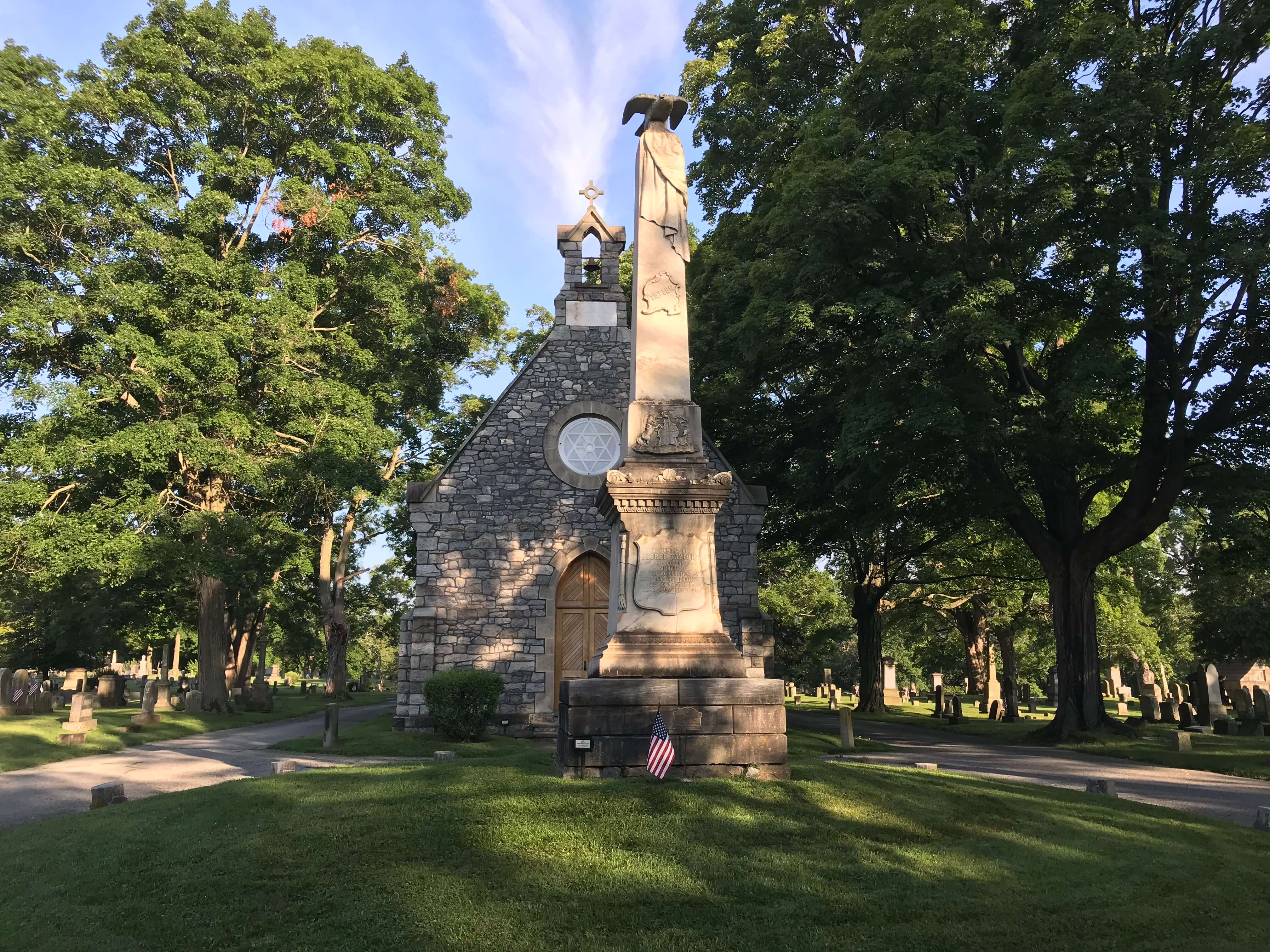
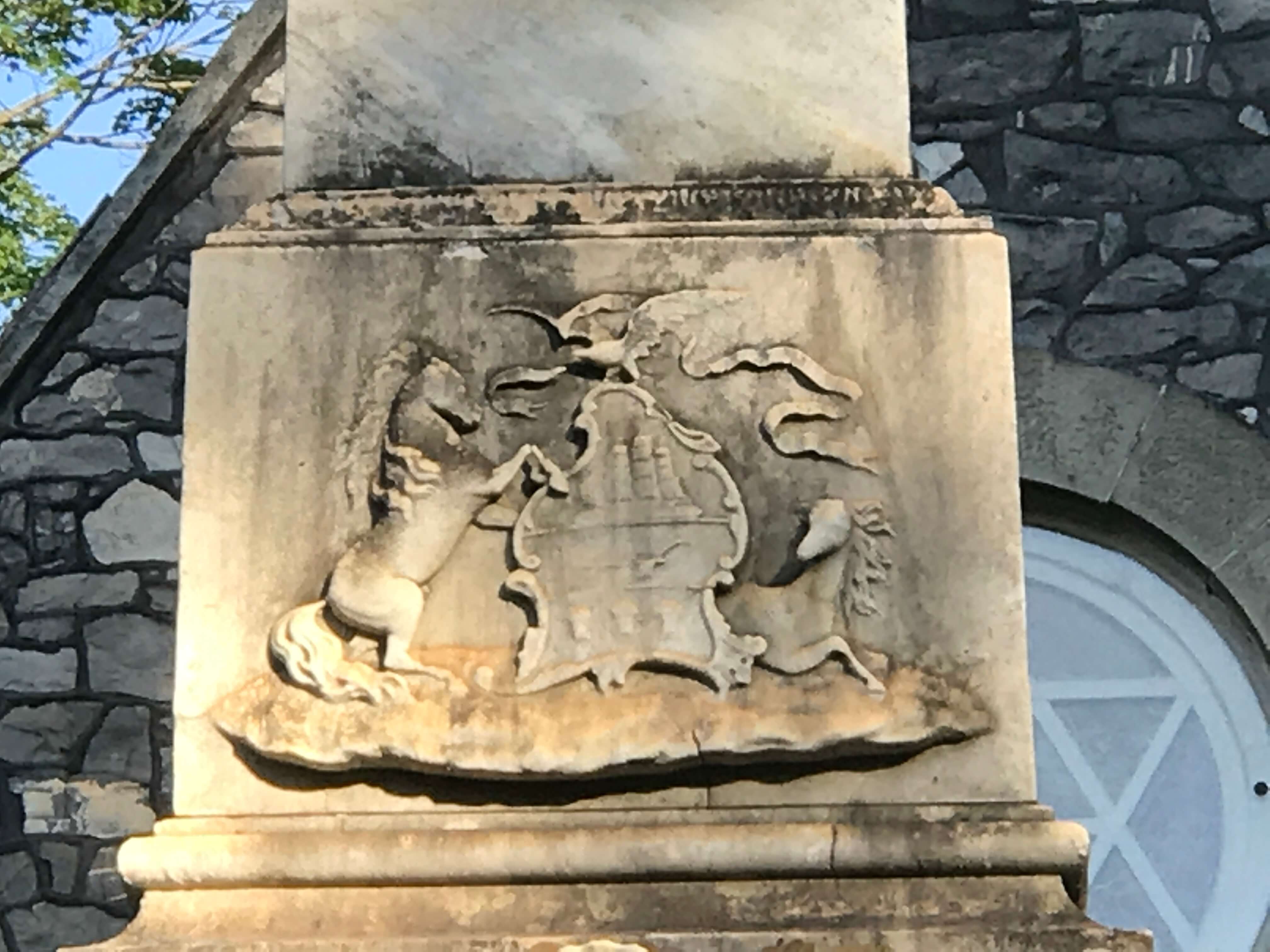
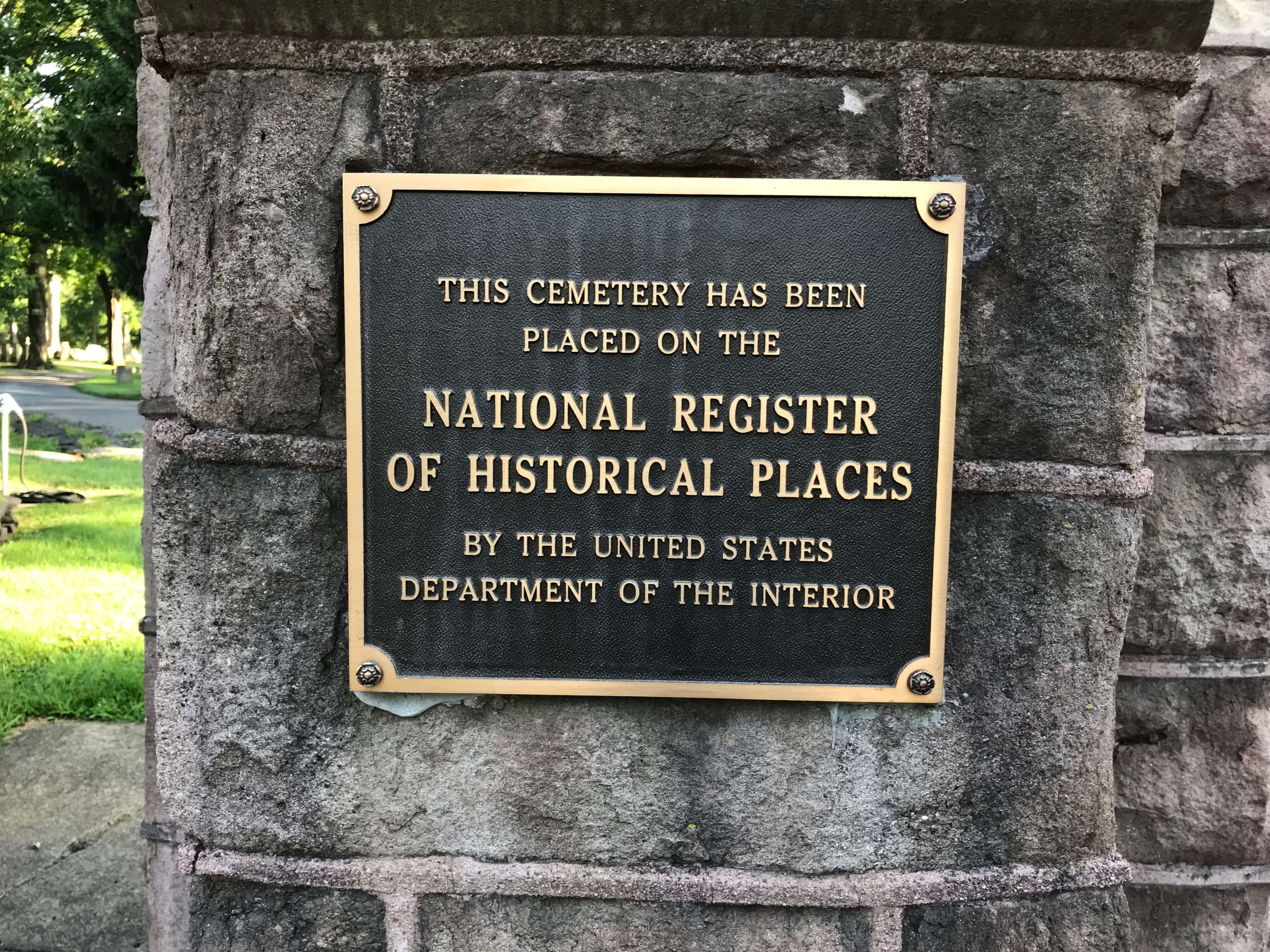
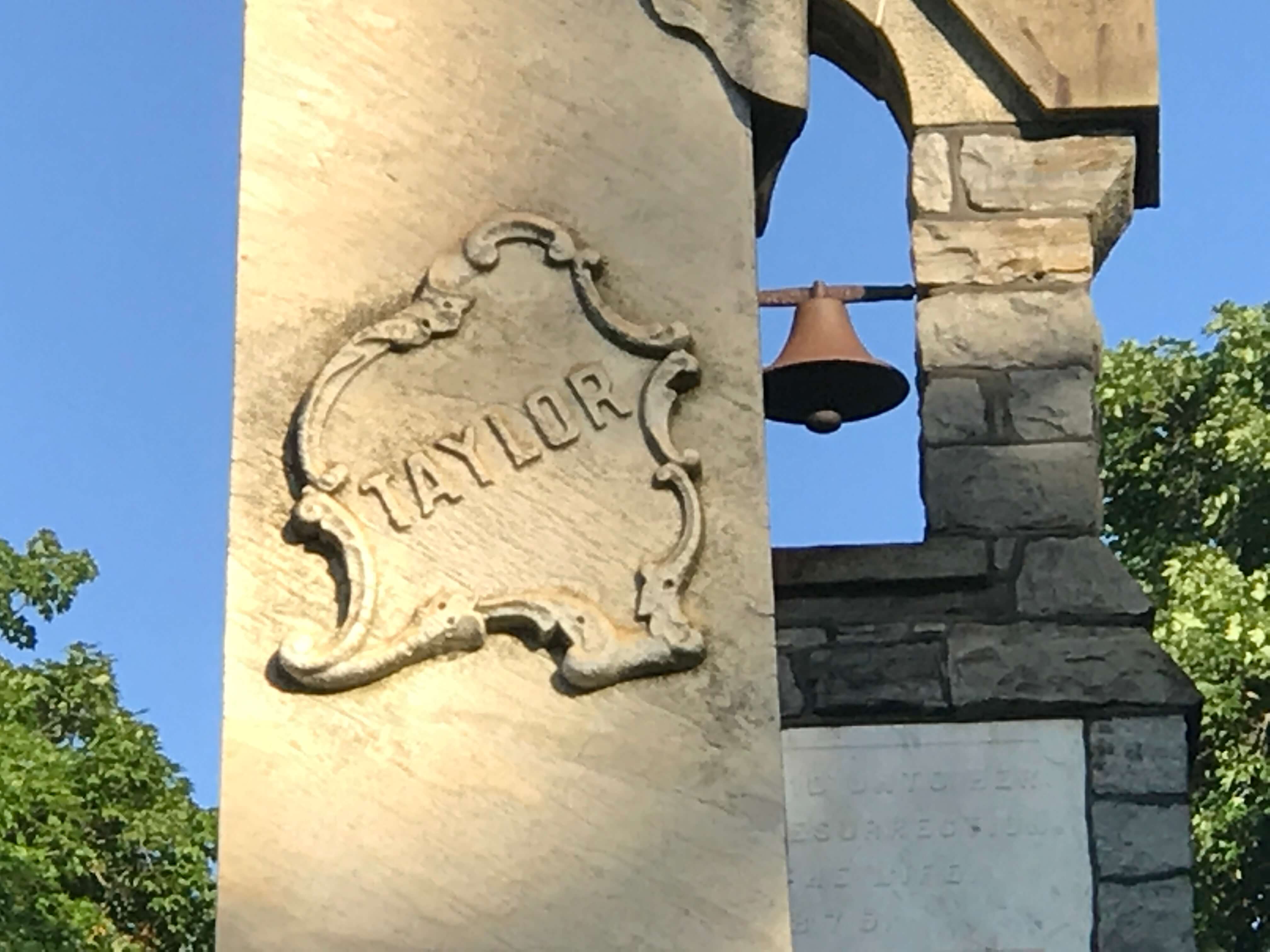
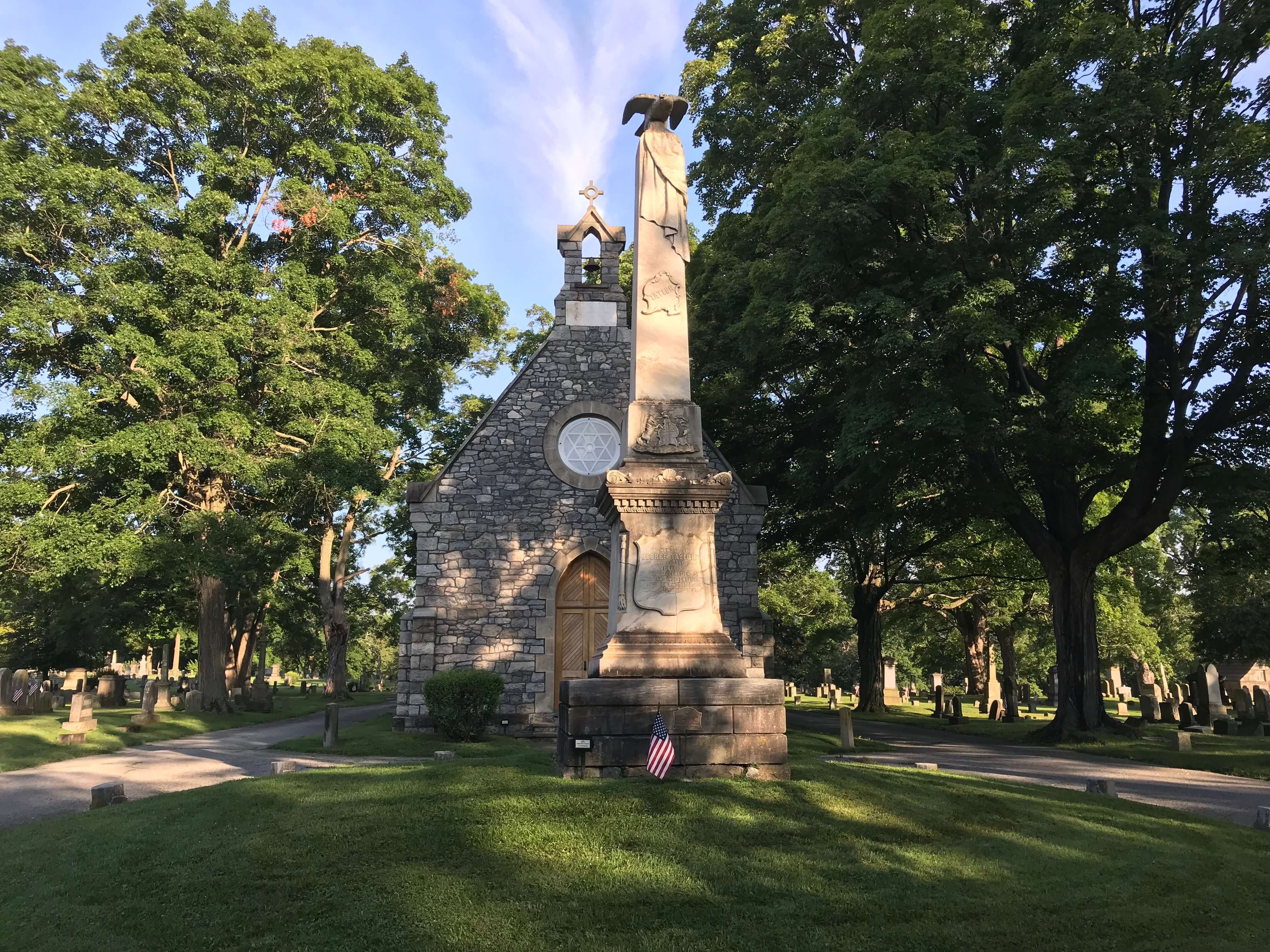
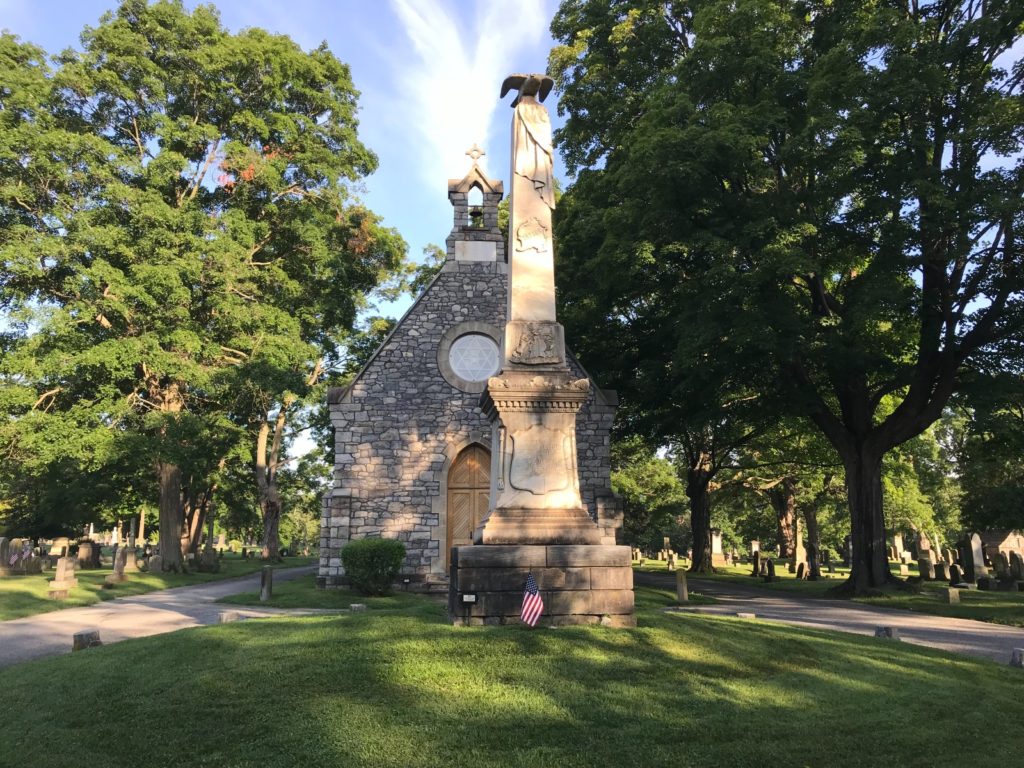
He was buried in Easton, Pennsylvania, where his grave can still be visited today. His final resting place serves as a quiet reminder of the man who rose from humble beginnings to sign one of the most important documents in American history.
Legacy
George Taylor’s life story is among the most compelling of the signers of the Declaration of Independence. Unlike many of the other signers, who were born into wealth or privilege, Taylor began his life in America as an indentured servant.
Through hard work, intelligence, and perseverance, he:
- Rose to become a successful ironmaster
- Earned respect in his community
- Served in the colonial government
- Helped supply the Revolutionary War effort
- Signed the Declaration of Independence
His journey reflects the opportunities of colonial America and the spirit of determination that helped shape the nation.
George Taylor’s story is a reminder that the American Revolution was not only led by famous statesmen and wealthy merchants, but also by self-made men who believed deeply in the cause of liberty.
Birth: 1716, County Antrim, Ireland
Death: February 23, 1781, Easton, Pennsylvania
Profession: Ironmaster, industrialist, public official
Government Service: Pennsylvania Provincial Assembly, Committee of Safety, Continental Congress delegate
Notable Achievement: Signer of the Declaration of Independence (Pennsylvania)
- Early Life and Career: George Taylor was born in Ireland in 1716. He came to America in his twenties as an indentured servant to Mr. Savage, who owned an iron business. That is where he learned to be an ironmaster.
- Ironmaster: Mr. Taylor took over the iron business when Mr. Savage died and established the Durham Furnace in Pennsylvania. The furnace produced iron products and was a significant operation in the mid-18th century.
- Political Involvement: George Taylor entered politics and was elected to the Pennsylvania Provincial Assembly in 1764. He was an outspoken advocate for American independence from British rule.
- Declaration of Independence: Taylor was a delegate to the Continental Congress and signed the Declaration of Independence, representing Pennsylvania.
- His signature is somewhat distinctive because he was one of the few signers without a formal education, so he signed with a large, bold hand.
- Death and Burial: George Taylor died on February 23, 1781, in Easton, Pennsylvania. He was buried at the Easton Cemetery, also known as the Easton Circle Cemetery or the Easton Old Cemetery. This cemetery is located in Easton, Pennsylvania. Taylor’s grave, like many other historical graves, is marked by a headstone commemorating his contributions to the founding of the United States.
George Taylor’s life is a testament to the diverse backgrounds and experiences of the signers of the Declaration of Independence, and his contributions to American independence are remembered through his signature on this historic document.




















Leave a Reply