Early Life and Education (Birth: 1747 – Philadelphia)
Gunning Bedford Jr. (1747–1812)
Signer of the United States Constitution | Delaware Statesman | Federal Judge
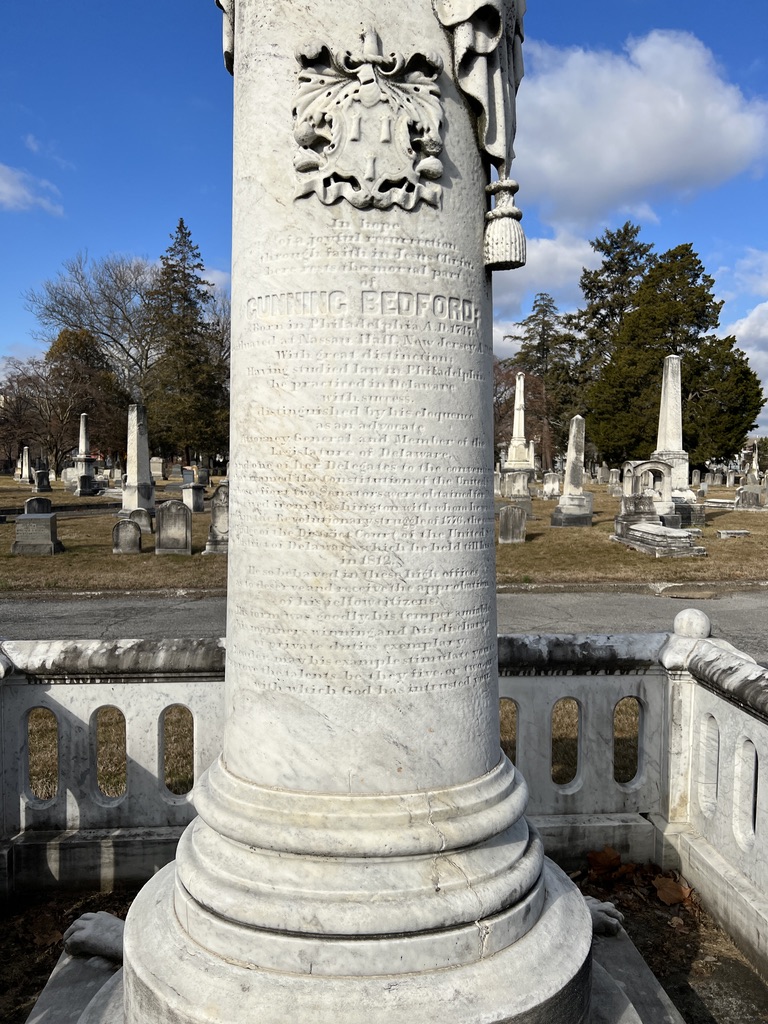
Gunning Bedford, Jr. was born in 1747 in Philadelphia, Pennsylvania, the fifth of seven children in a distinguished family originally rooted in Jamestown, Virginia. To distinguish himself from his cousin, Colonel Gunning Bedford of Delaware, he consistently used the suffix “Jr.”
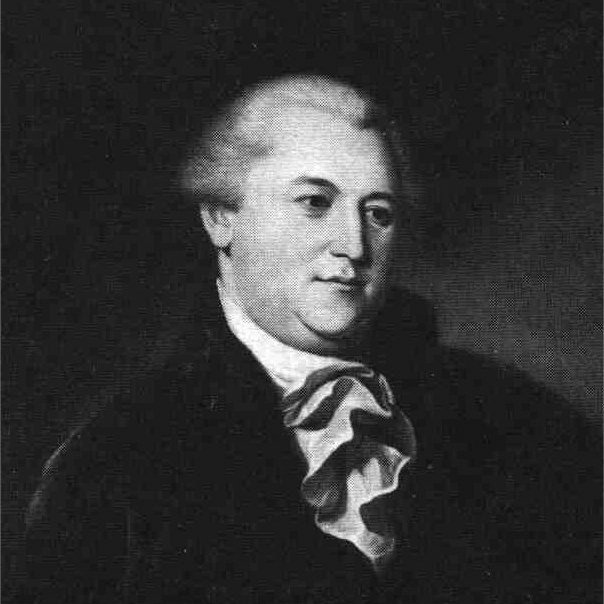
Bedford received an excellent education. In 1771, he graduated with honors from the College of New Jersey (now Princeton University). One of his classmates was none other than James Madison, who would later become the fourth President of the United States and a chief architect of the Constitution Bedford would help shape.
Marriage and Legal Career
While still young—possibly even during his college years—Bedford married Jane B. Parker, and the couple had at least one daughter.
After studying law under Joseph Read in Philadelphia, Bedford was admitted to the bar. He first practiced in Philadelphia before relocating to Dover, Delaware, and later to Wilmington, where he established himself as a respected attorney.
There is evidence suggesting Bedford may have served in the Continental Army, possibly as an aide to George Washington, though details of this service are not fully documented.
Post-Revolution Political Career
Following the American Revolution, Bedford became a significant political figure in Delaware and at the national level.
State Service
- Member of the Delaware Legislature
- Served on the State Council
- Attorney General of Delaware (1784–1789)
National Service
- Delegate to the Continental Congress (1783–1785)
- Selected as a delegate to the Annapolis Convention (1786), though he did not attend
- Federalist presidential elector in 1789 and 1793
Bedford’s political identity was strongly Federalist, and he believed in a vigorous national government—but with firm protections for small states.
The Constitutional Convention of 1787
Bedford was among the more active participants at the Constitutional Convention, rarely missing sessions.
He was:
- A vocal and forceful speaker
- A passionate advocate for small-state equality
- A member of the committee that helped draft what became known as the Great Compromise
Defender of the Small States
At a time when larger states like Virginia and Pennsylvania pushed for representation based solely on population, Bedford fiercely defended the rights of smaller states such as Delaware. He even warned that small states might consider seeking foreign alliances if their interests were ignored.
His stance helped shape the compromise that created:
- Proportional representation in the House of Representatives
- Equal representation in the Senate
Without advocates like Bedford, the Constitution might not have secured the unanimous support needed from smaller states.
He later attended Delaware’s ratifying convention, supporting the adoption of the Constitution. Delaware, fittingly, became the first state to ratify it.
Federal Judicial Appointment
In 1789, President George Washington appointed Bedford to the Federal District Court for Delaware, a role he would hold for the remainder of his life.
Though he briefly served as a presidential elector twice, Bedford largely withdrew from electoral politics after his second term and focused on his judicial responsibilities.
Later Life and Interests
Outside public office, Bedford devoted himself to:
- Judicial service
- Supporting Wilmington Academy
- Promoting abolitionist causes
- Managing and enjoying his estate, Lombardy Hall, near Wilmington
These pursuits reflect a man who valued education, justice, and moral progress.
Death and Burial (Death: 1812)
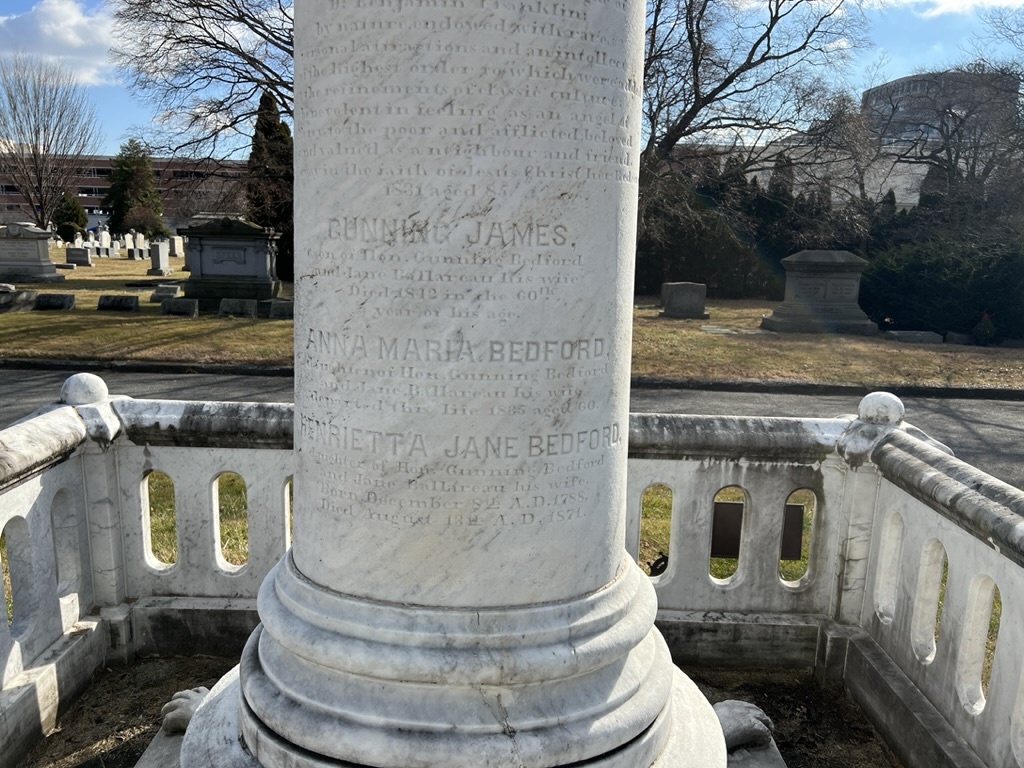
Gunning Bedford, Jr., died in 1812 at the age of 65.
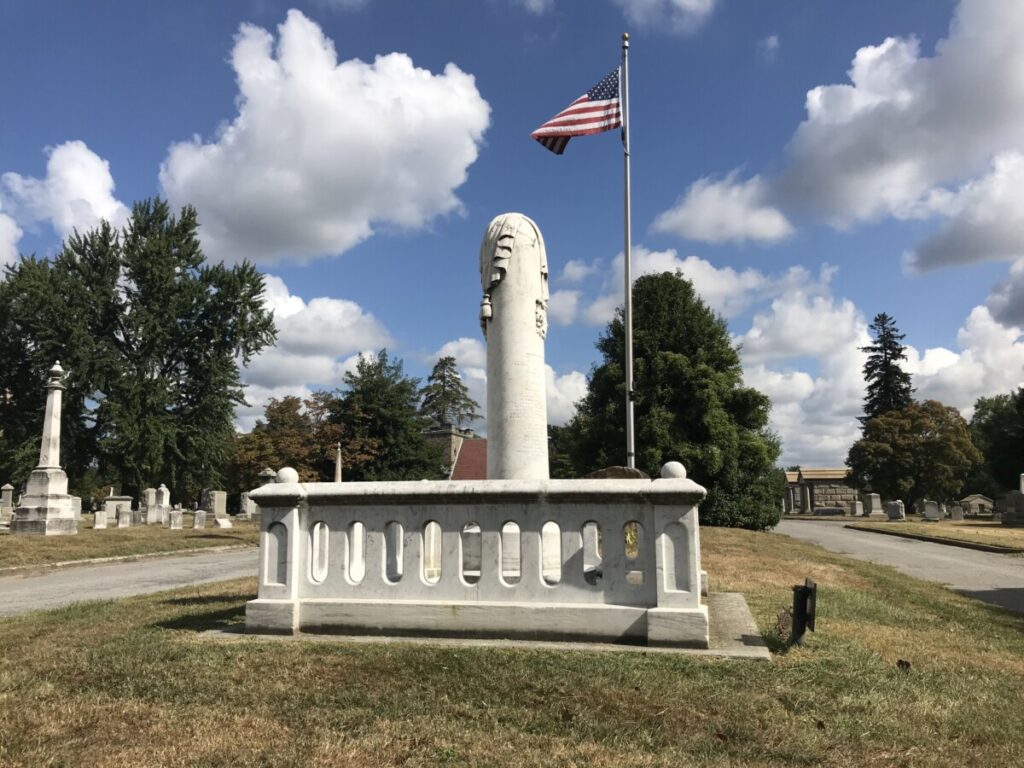
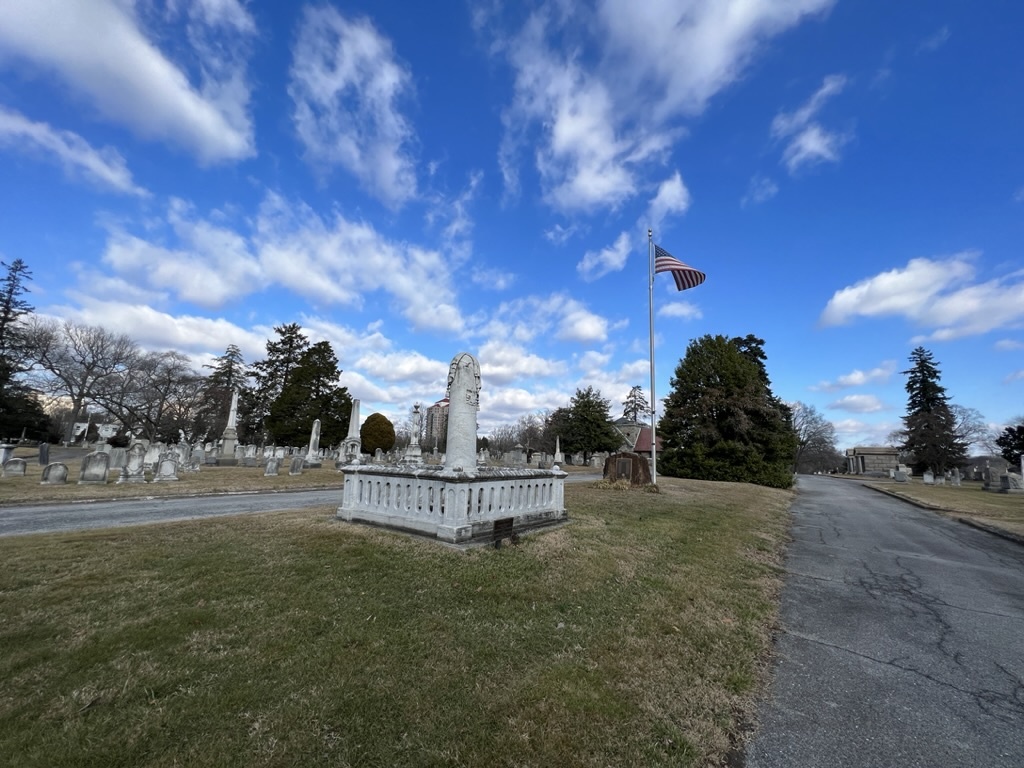
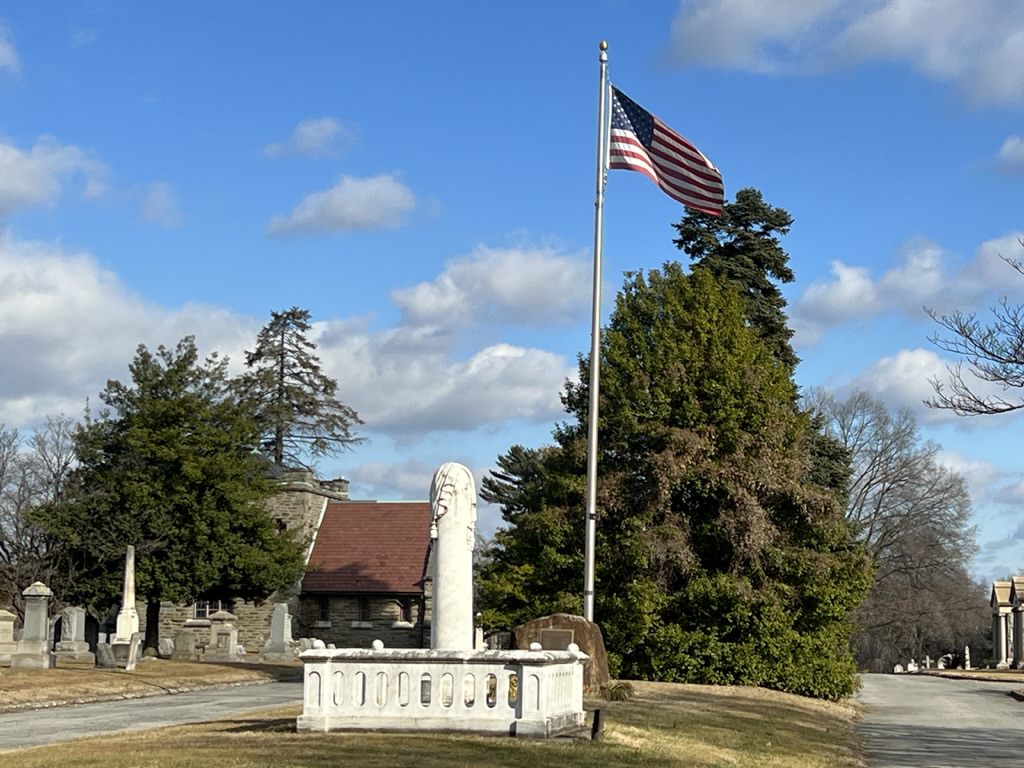
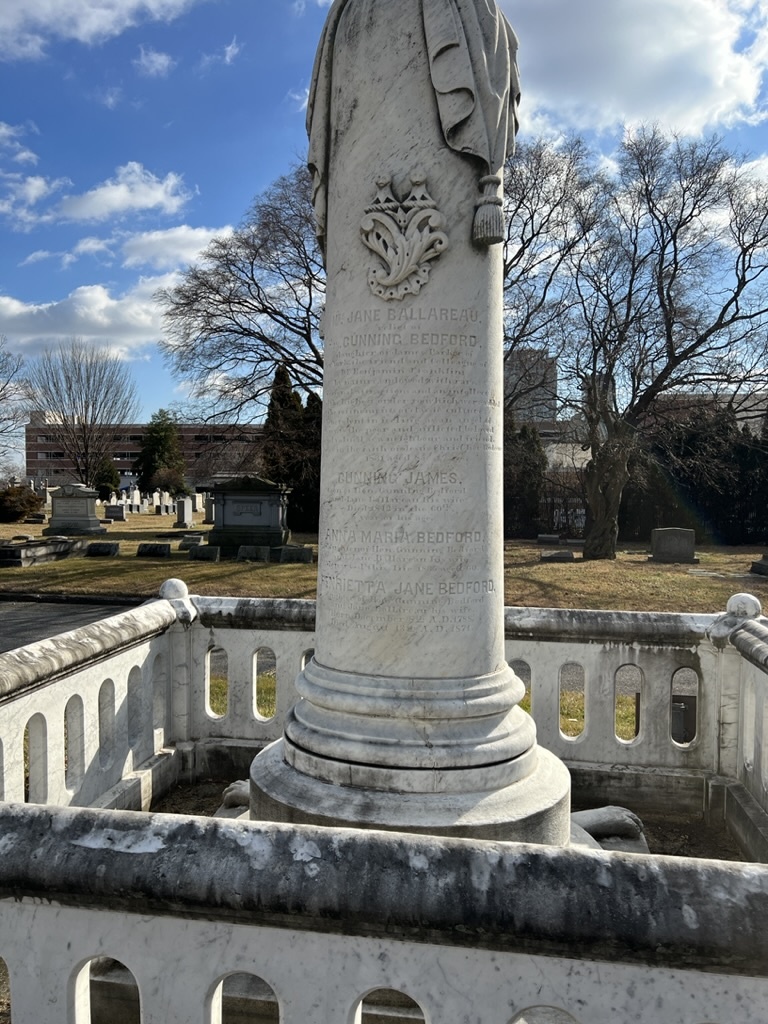
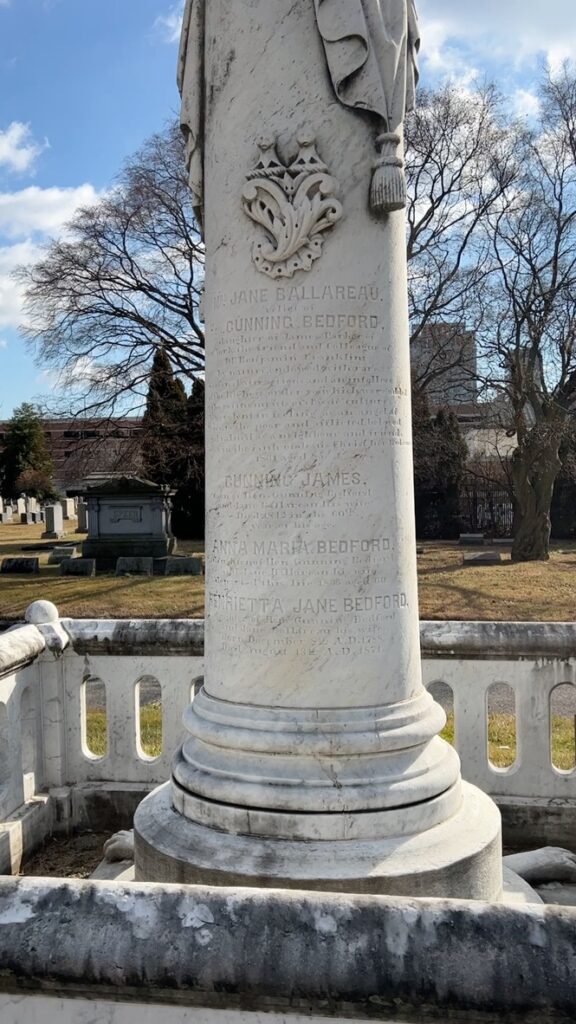
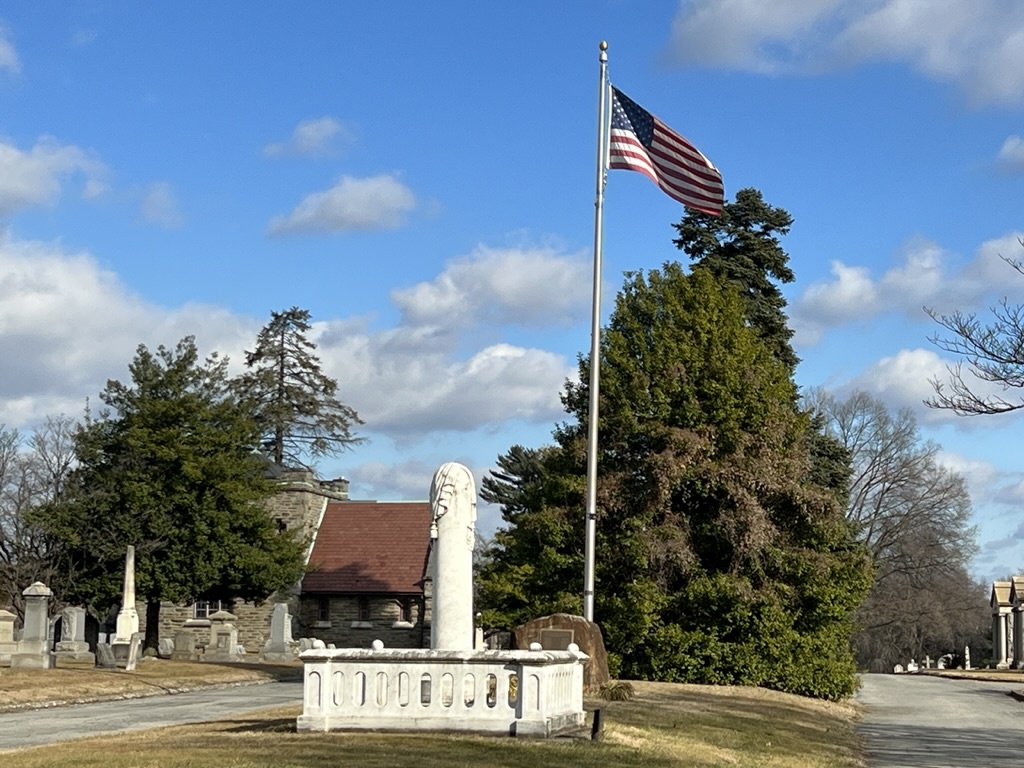
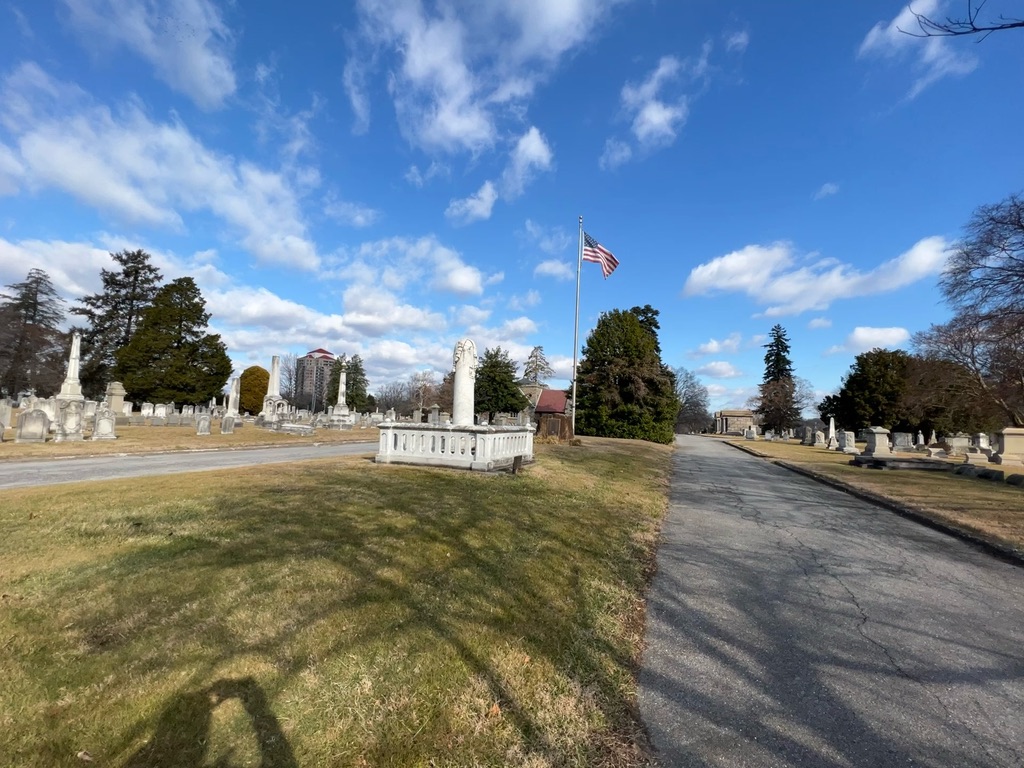
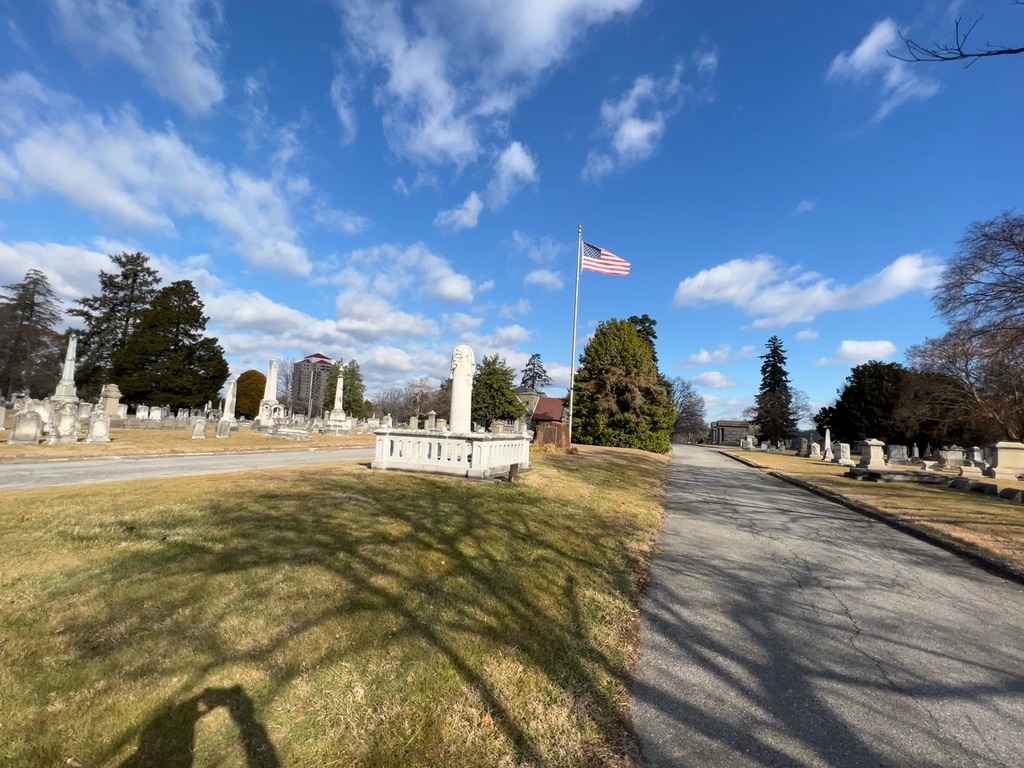
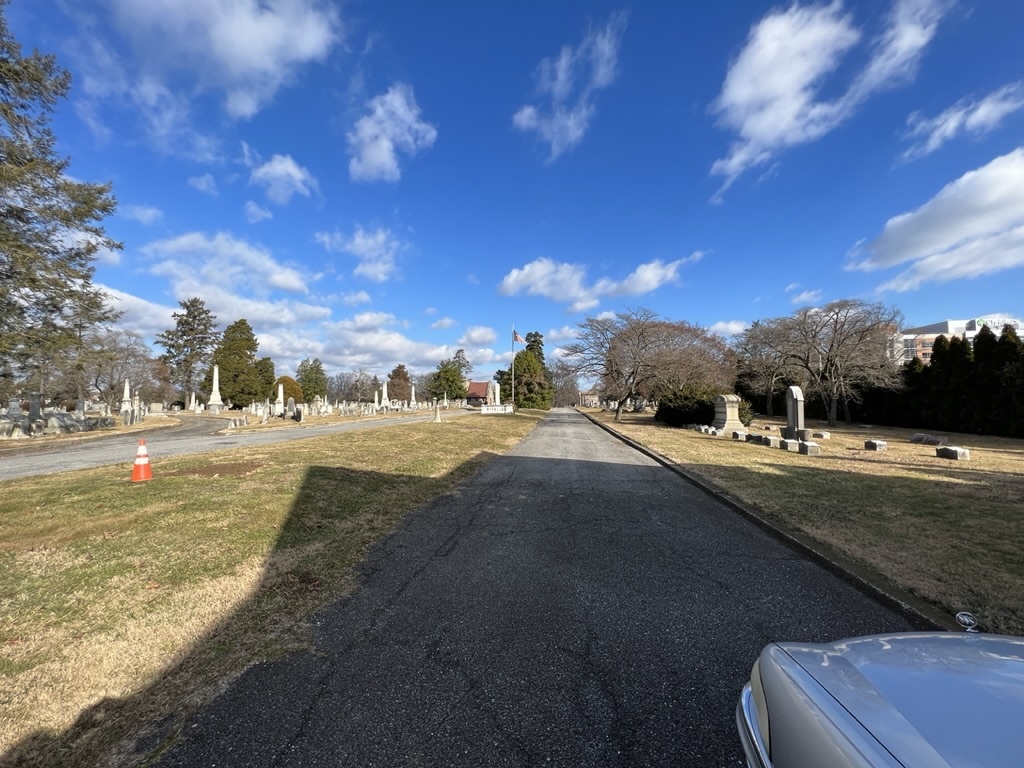
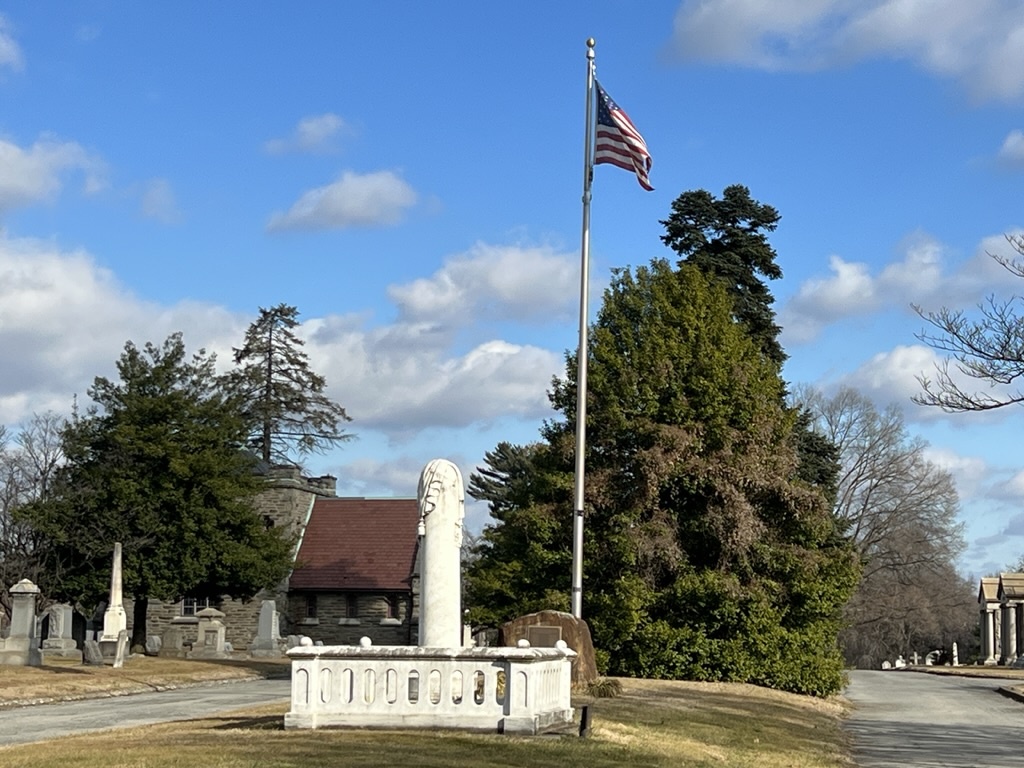
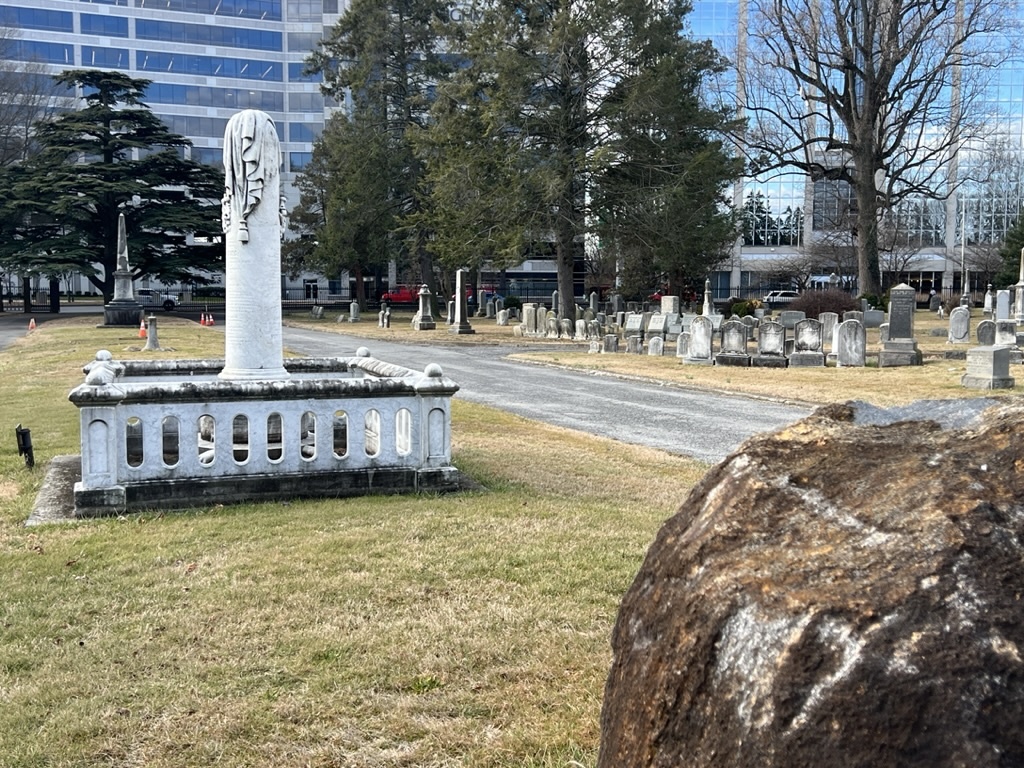
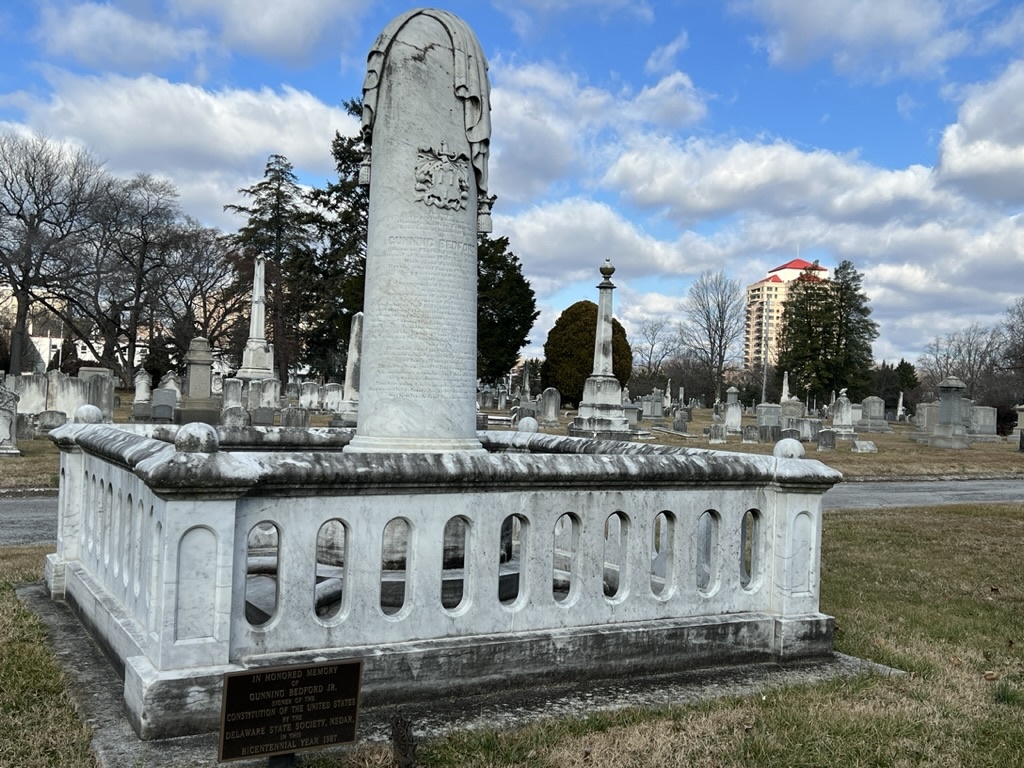
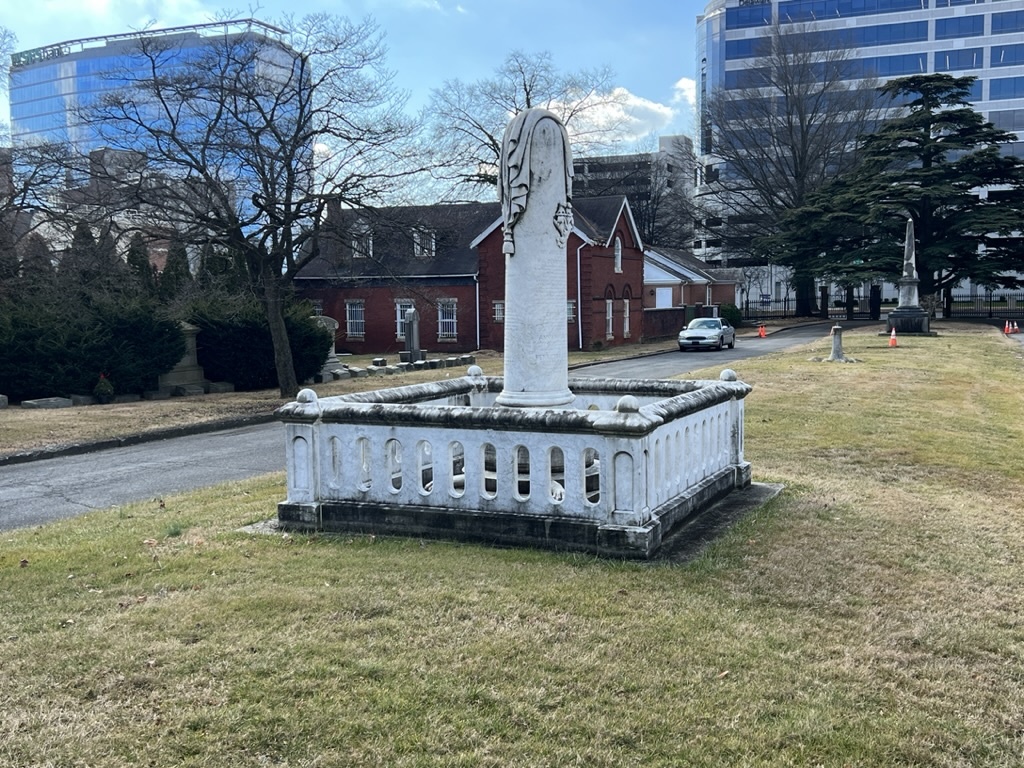
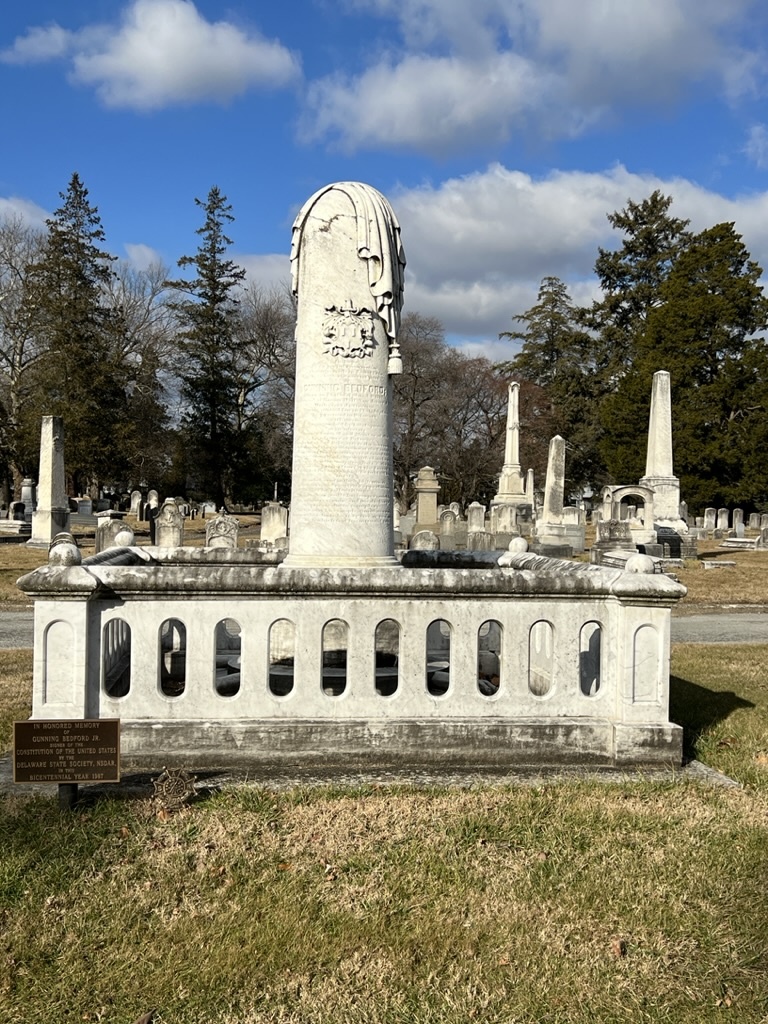
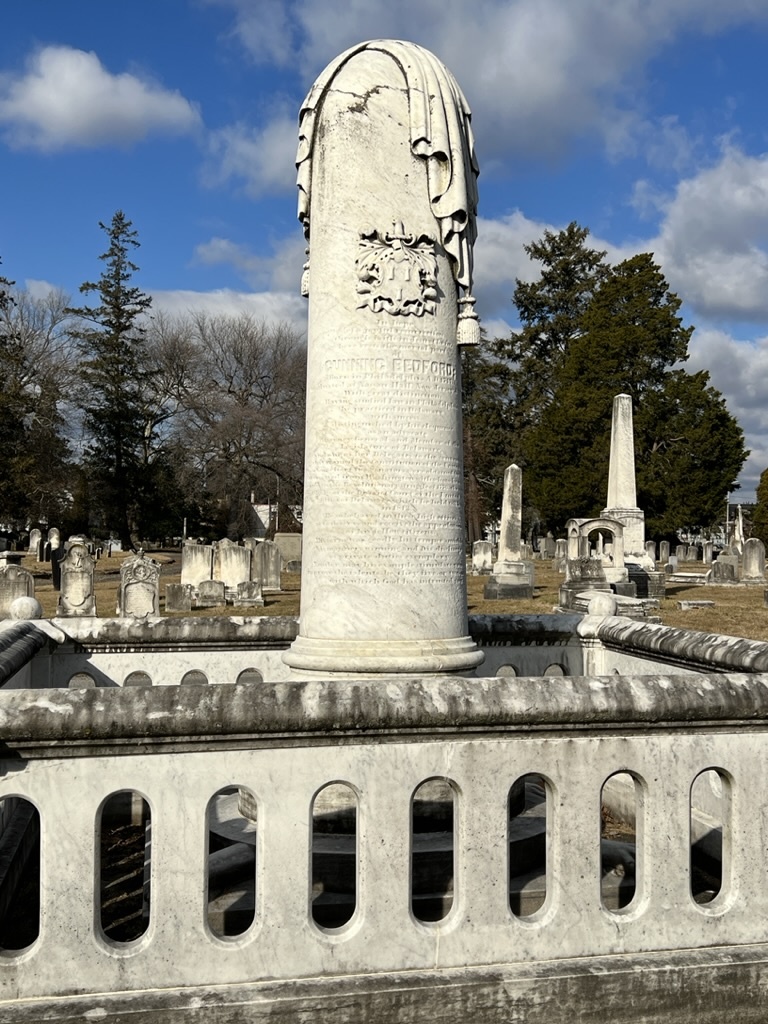
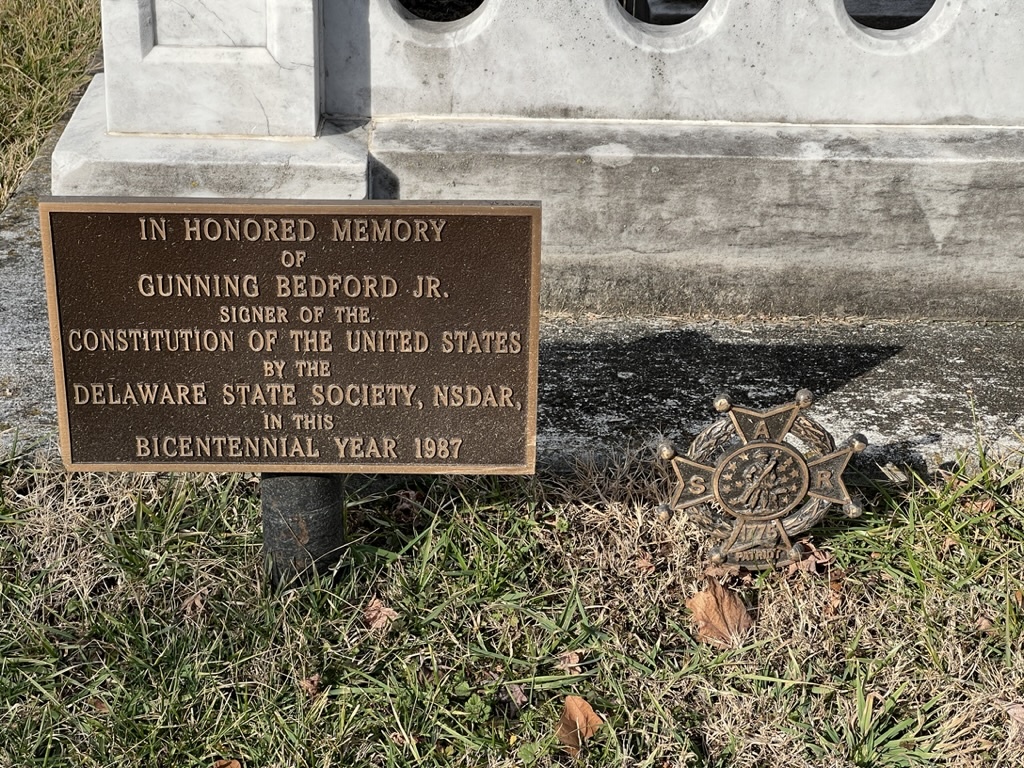
He was originally buried in the First Presbyterian Churchyard in Wilmington, Delaware. When that cemetery was later abandoned, his remains were moved to the Masonic Home in Christiana Hundred, Delaware, along Lancaster Turnpike.
Legacy
Though not as widely known as some of his contemporaries, Gunning Bedford, Jr. played a critical role in shaping the United States Constitution.
His legacy includes:
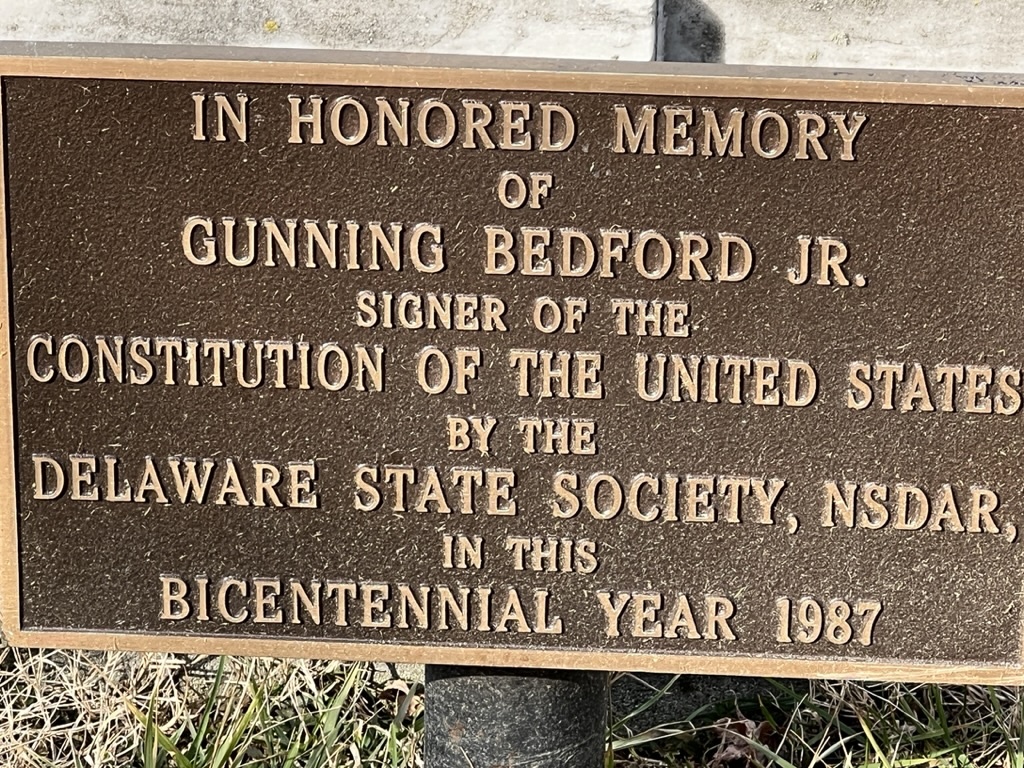
- Signing the U.S. Constitution
- Defending small-state equality in federal governance
- Helping craft the Great Compromise
- Serving as Delaware’s Attorney General
- Serving as a Federal District Judge under President Washington
In many ways, Bedford represents the determined small-state voice that ensured the Constitution would balance power fairly among the states—a balance that remains foundational to the American republic today.
My Notes:
Bedford also played a significant role in securing Delaware’s ratification of the U. S. Constitution. He served as Delaware’s Attorney General from 1784 until his death on March 12, 1812.
Bedford’s contributions to the creation of the Constitution and his advocacy for a strong federal government have had a lasting impact on American politics and government.
His work helped shape the federal government’s structure and function, and his legacy is still felt today in the continued debate over the proper balance of power between the federal government and the states.
Gunning Bedford Jr.’s Signature
on the U.S. Constitution

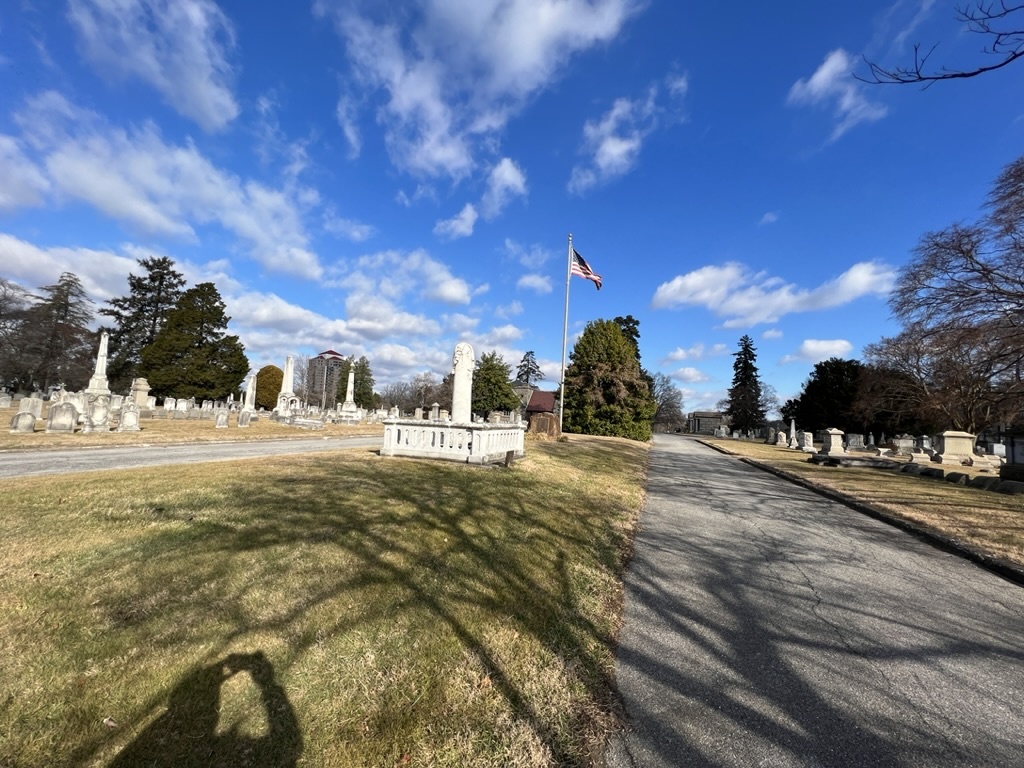
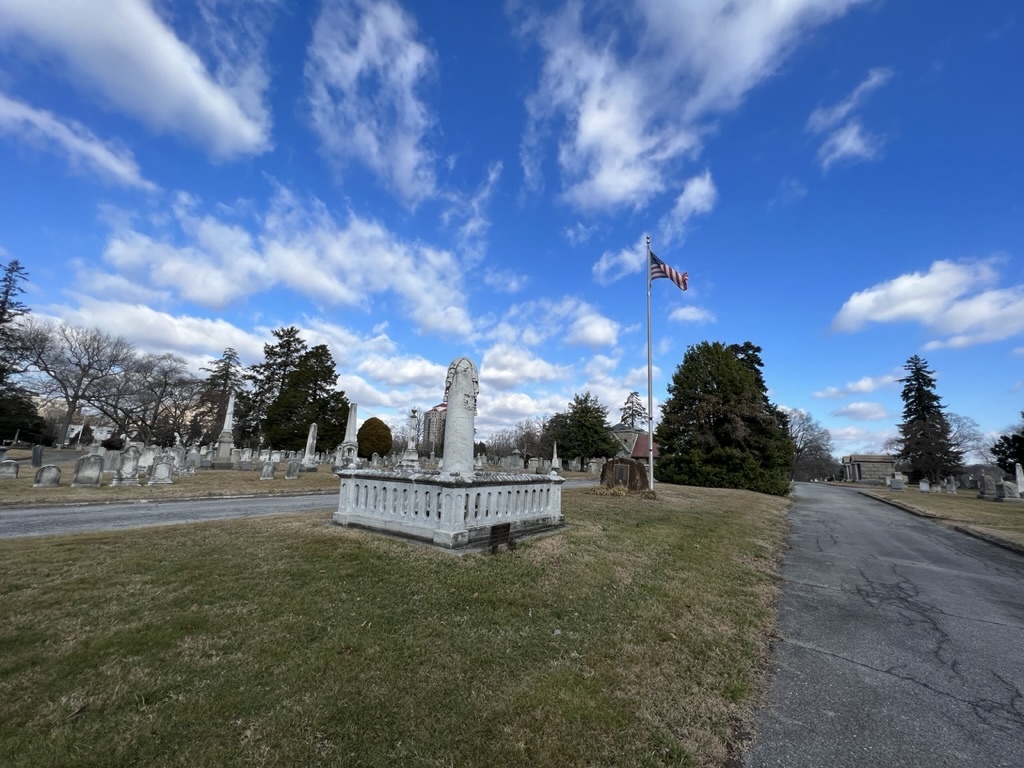
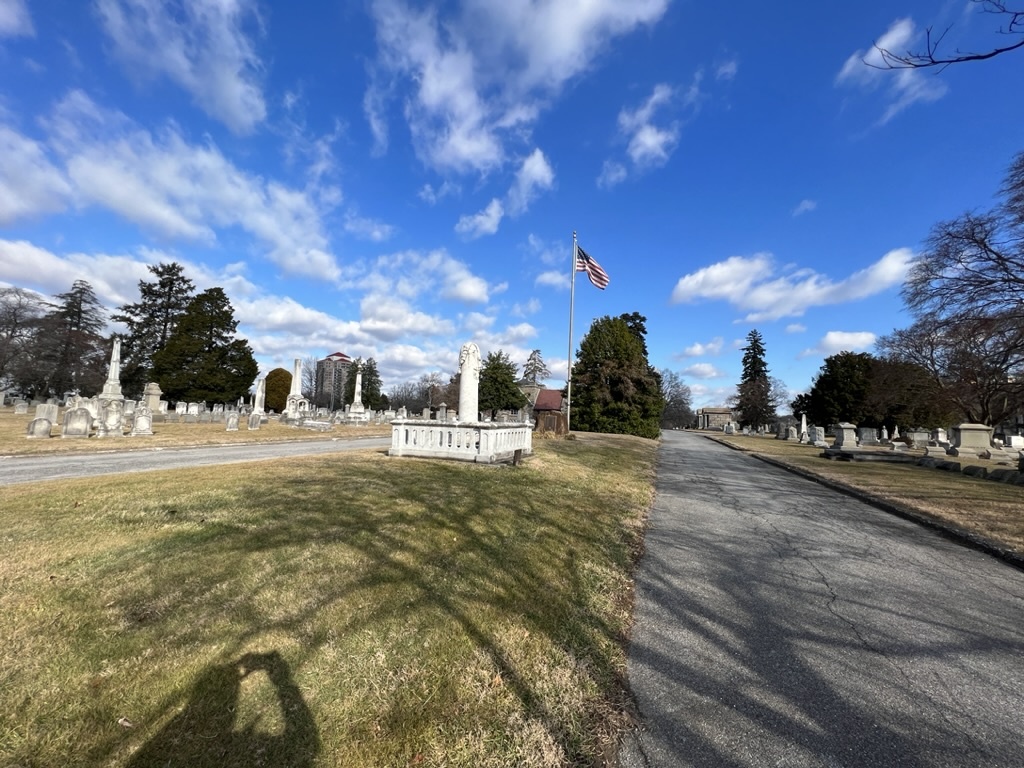
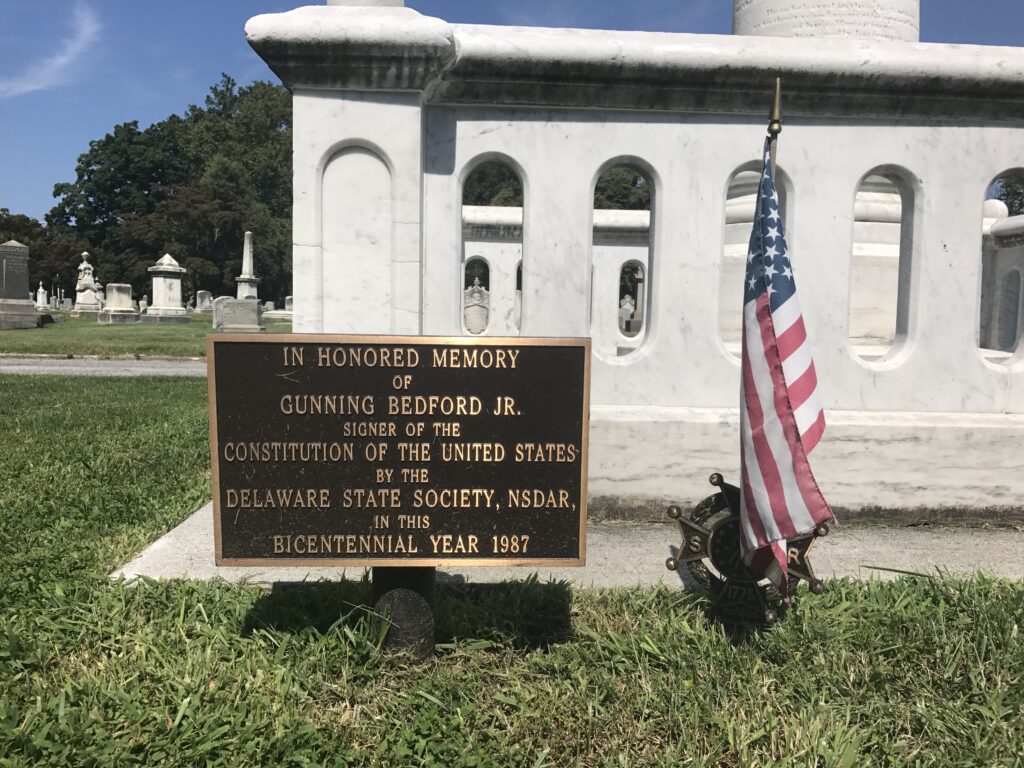
Where is Gunning Bedford Jr. buried?
Below is an excerpt of a post written by Ginger Stout, a Member of the Association of Graveyard Rabbits.
Post: The Three Burials of Gunning Bedford Jr.
This excerpt is from the “Musical Graves” section of the article.
“Bedford died shortly before his 65th birthday in 1812 and was buried in the First Presbyterian Churchyard in Wilmington. Later, the church was closed (it is now the site of the Wilmington Library near Rodney Square).
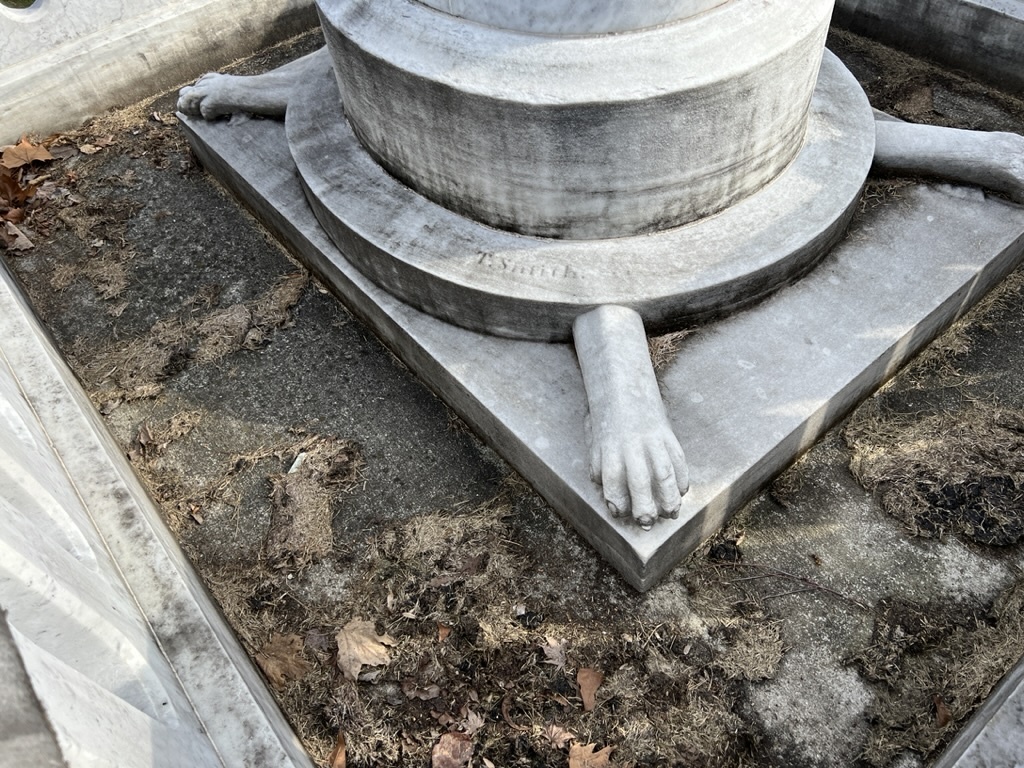
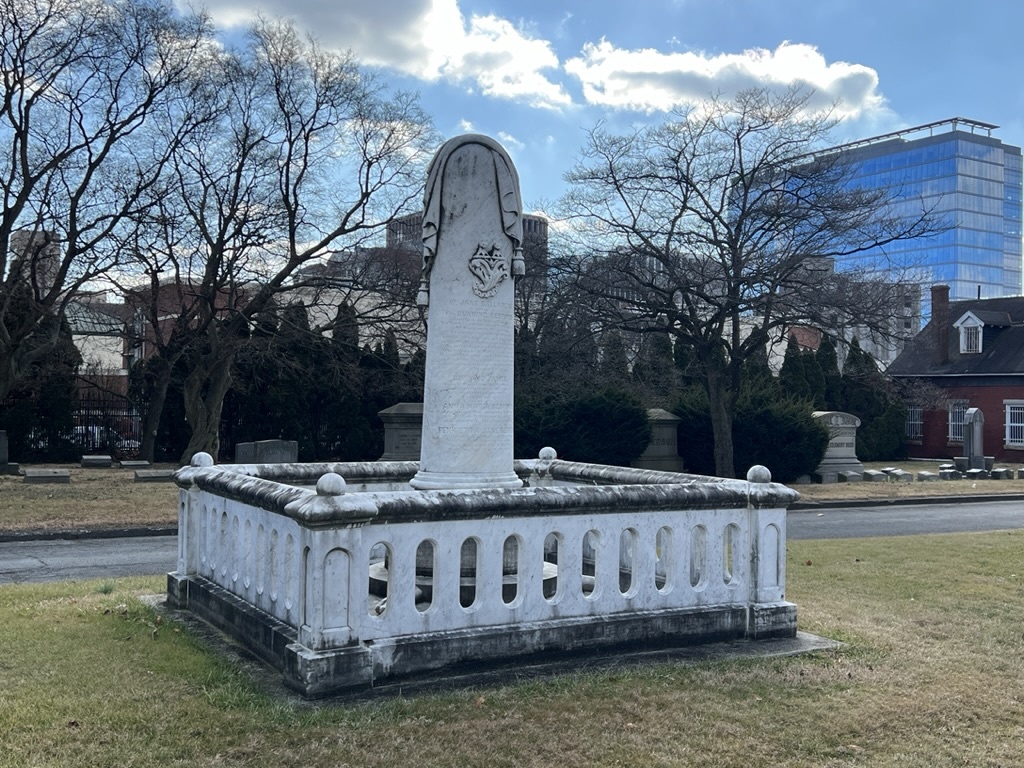
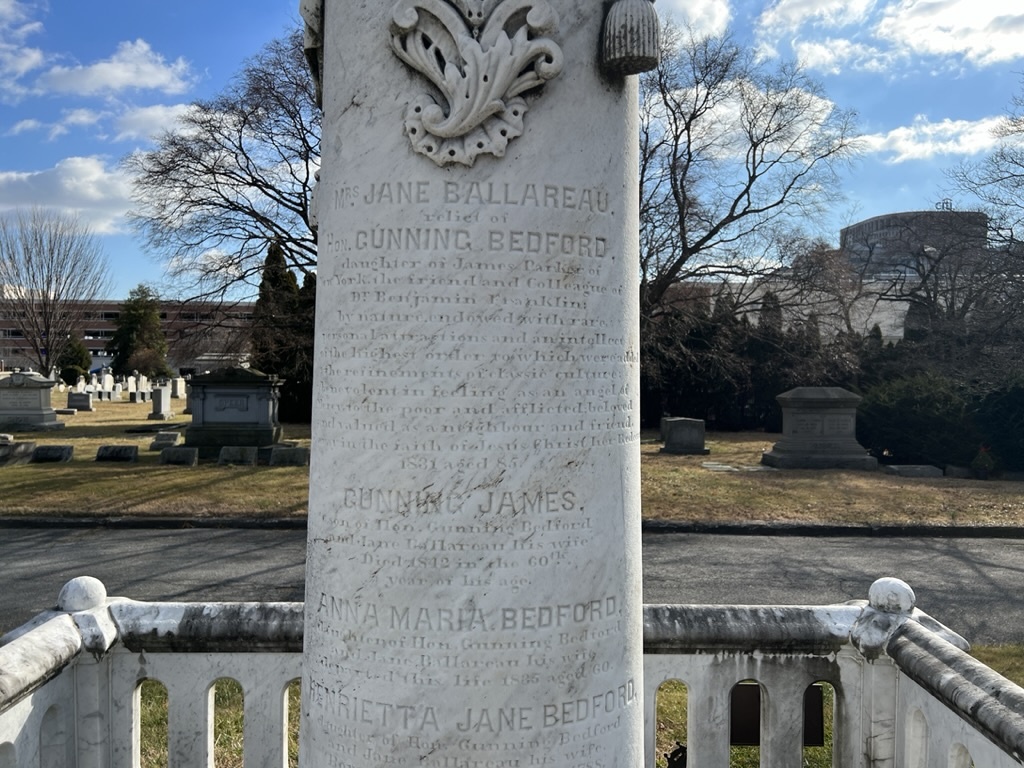
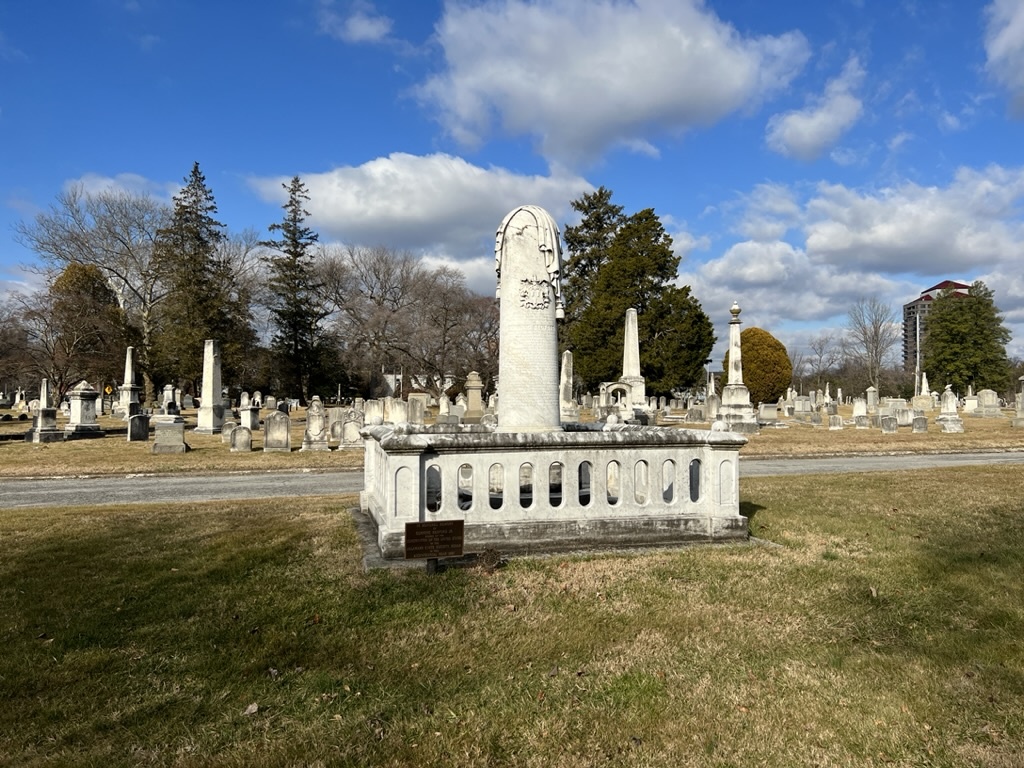
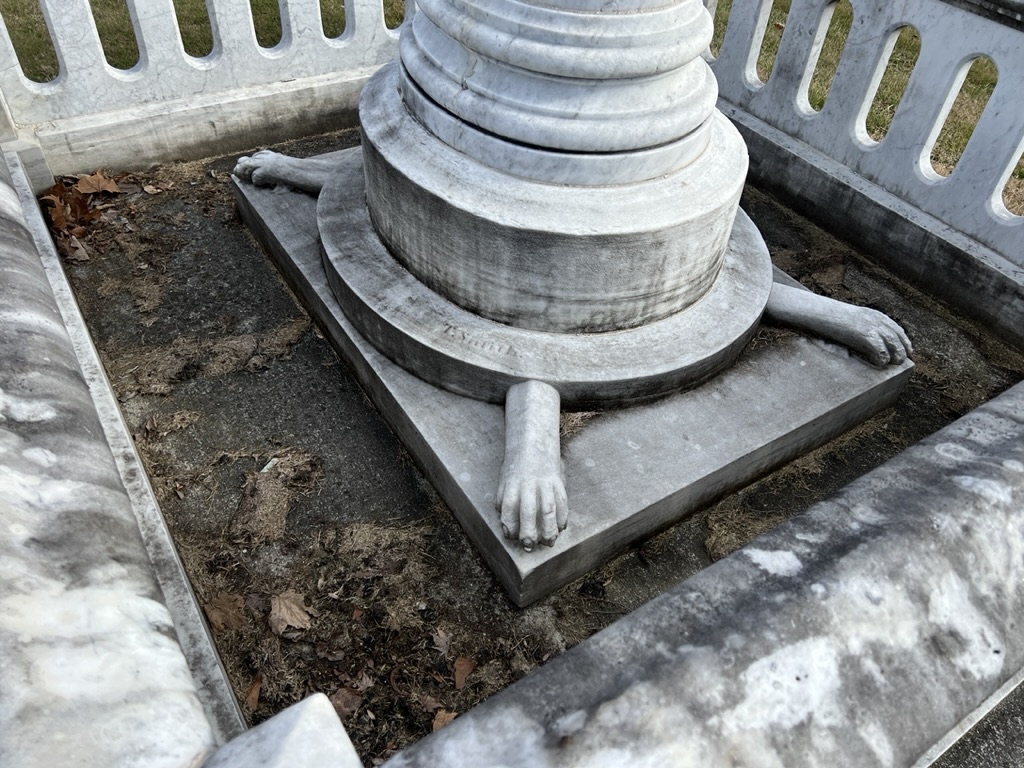
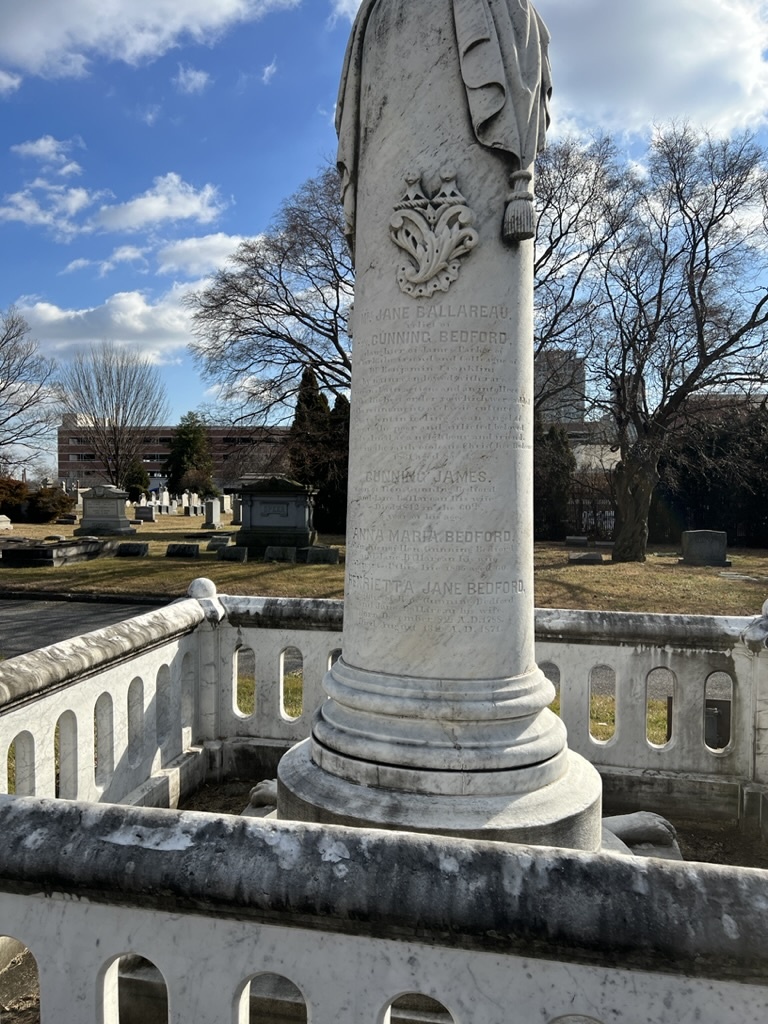
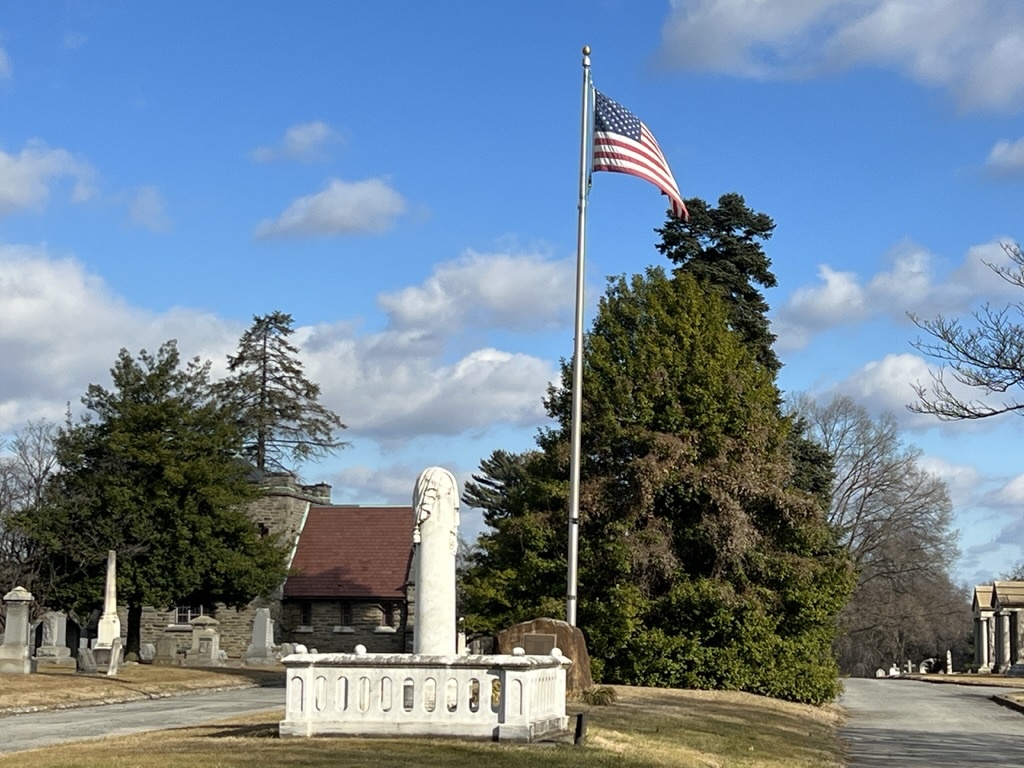
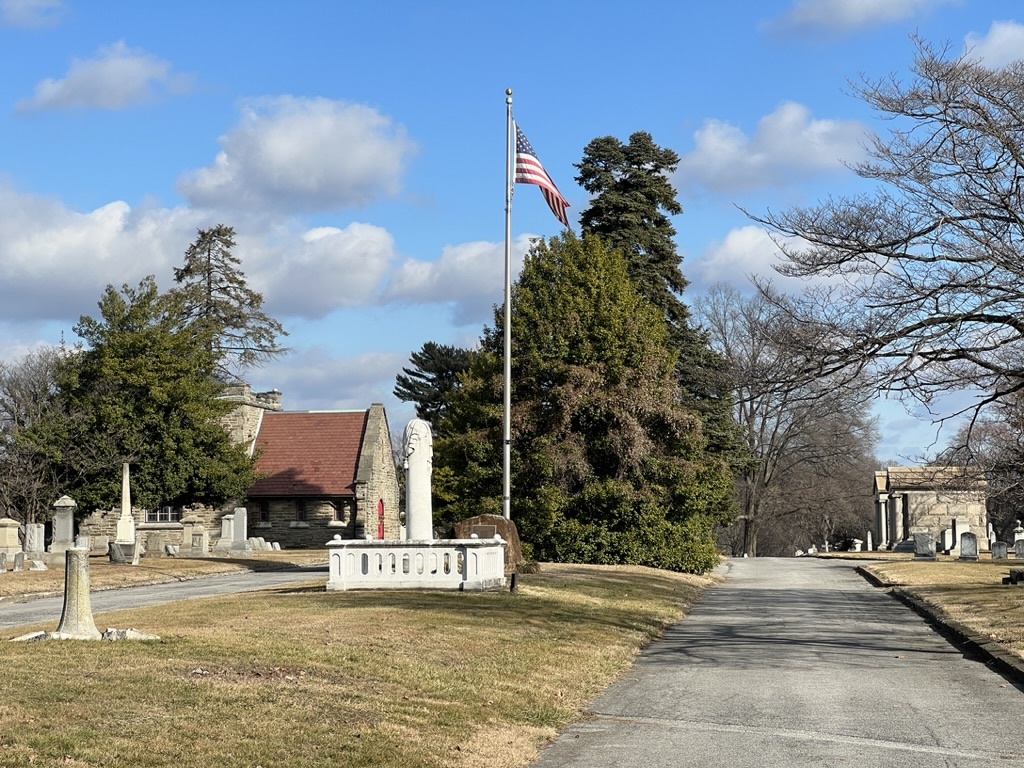
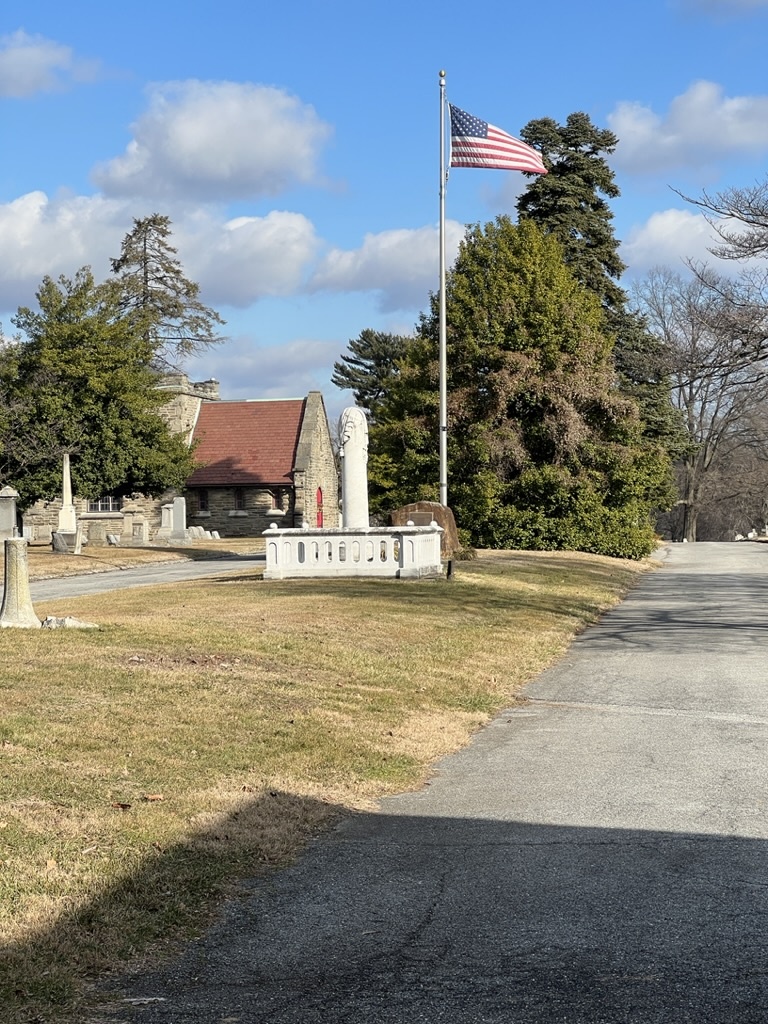
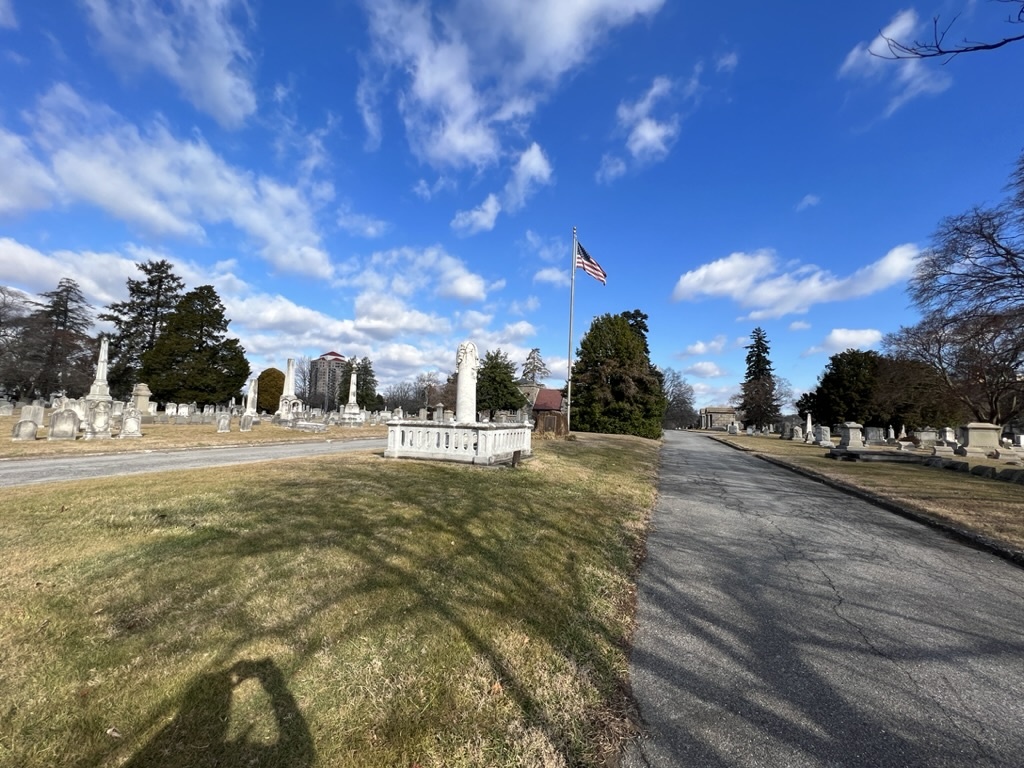
His remains were then moved to a spot under a private monument at the Masonic Home on Lancaster Pike in Christiana and remained there until October of this year.
With a pending sale of the Masonic home property, efforts went into motion to find a new resting place for him.
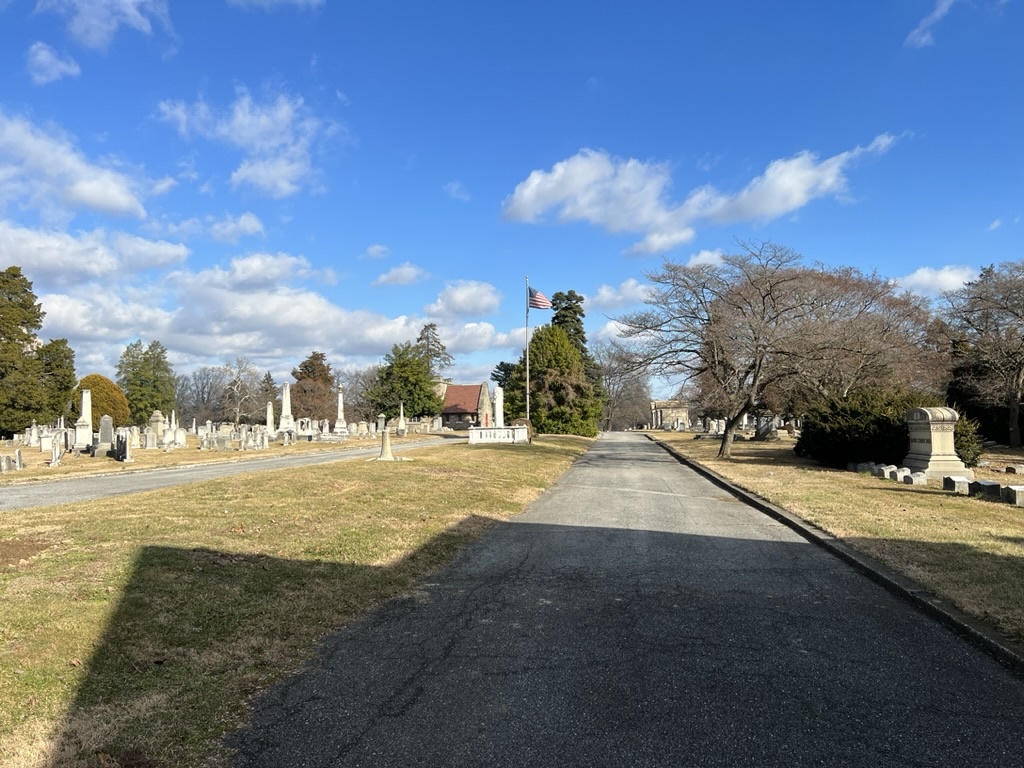
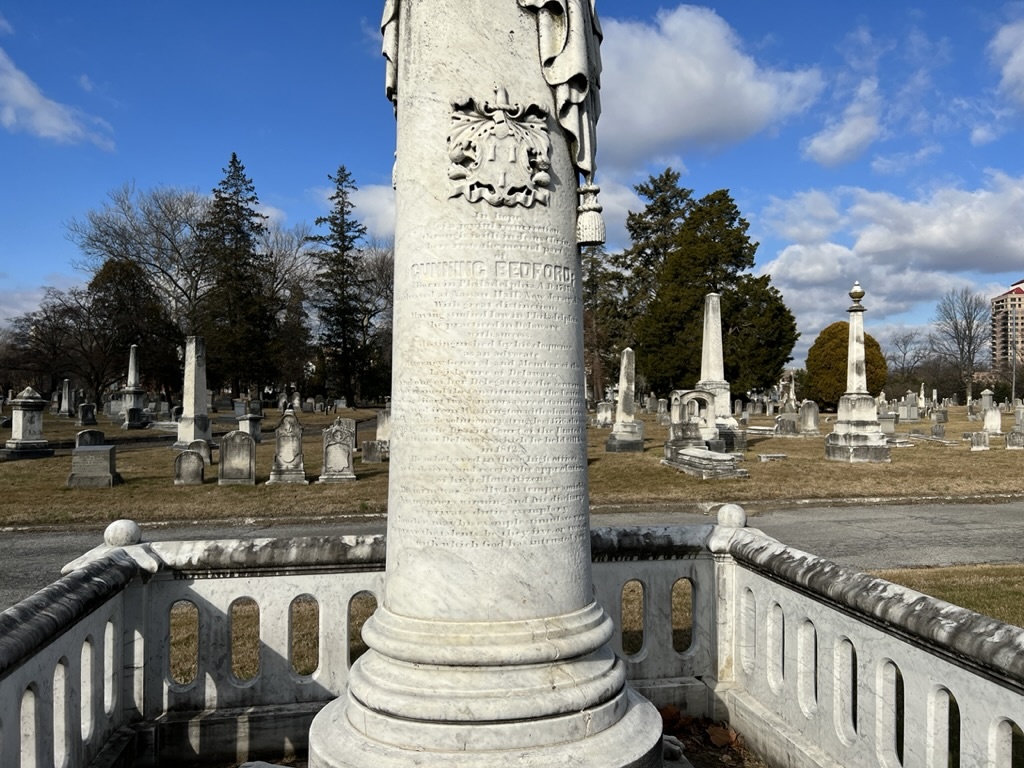
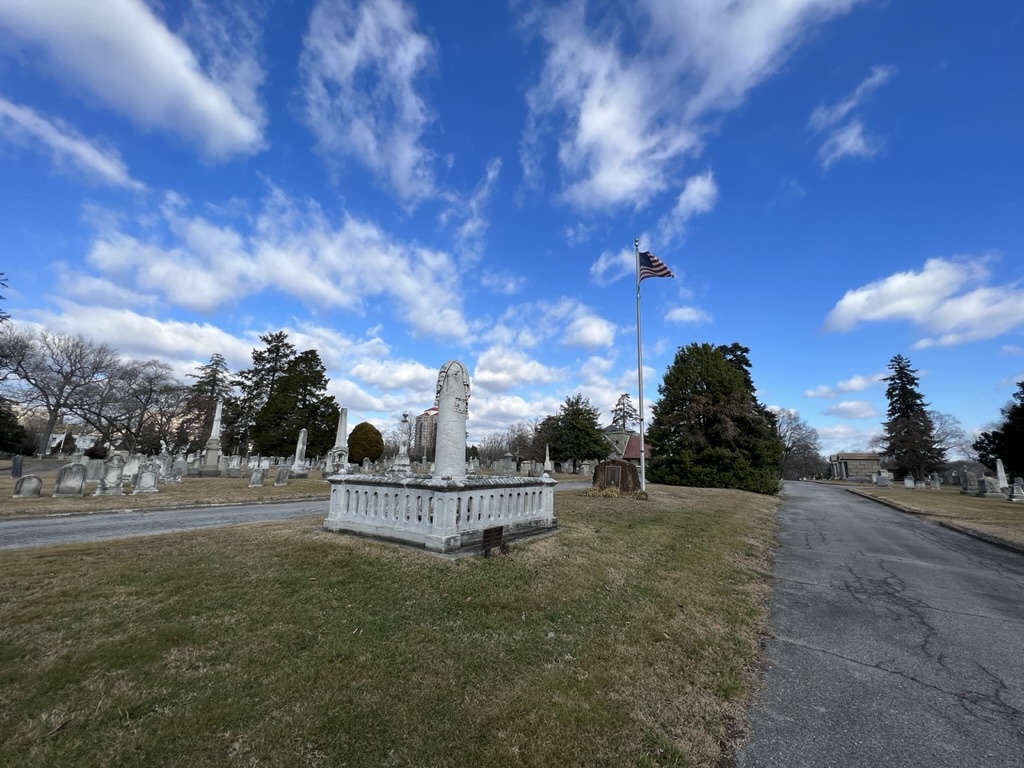
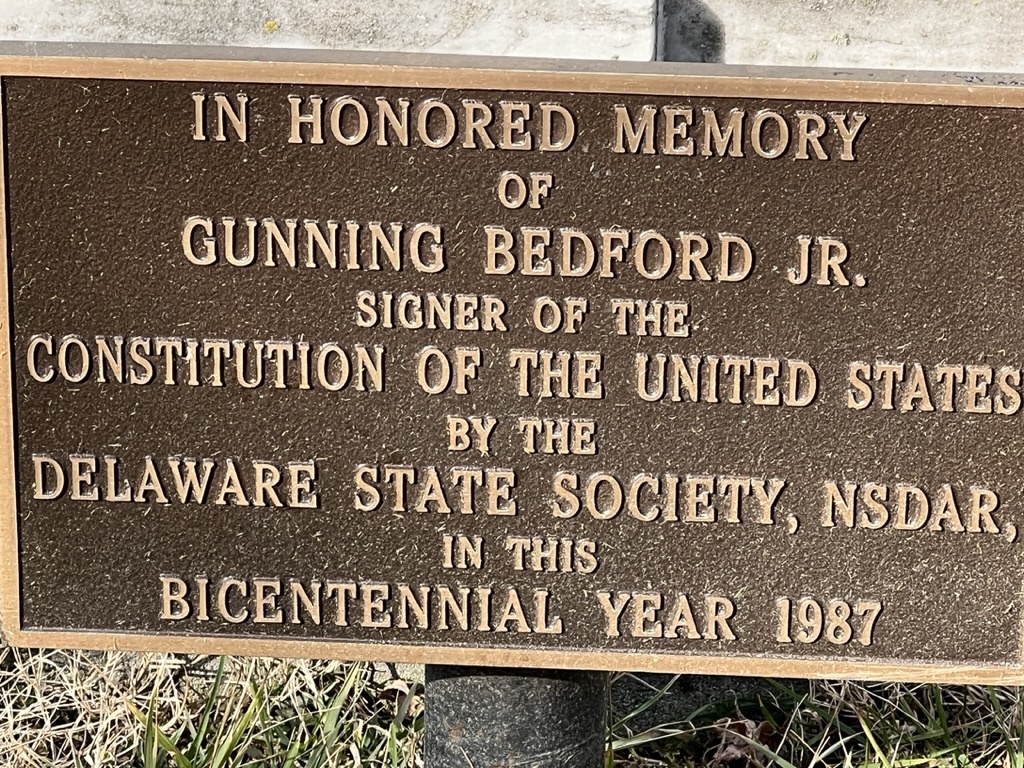
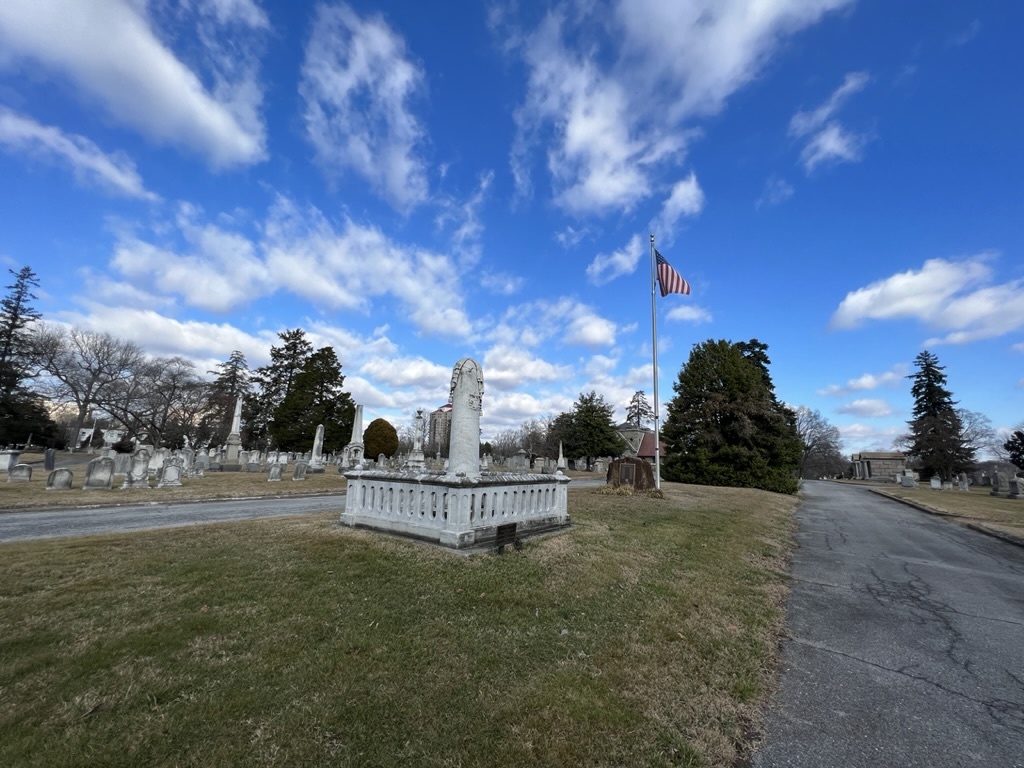
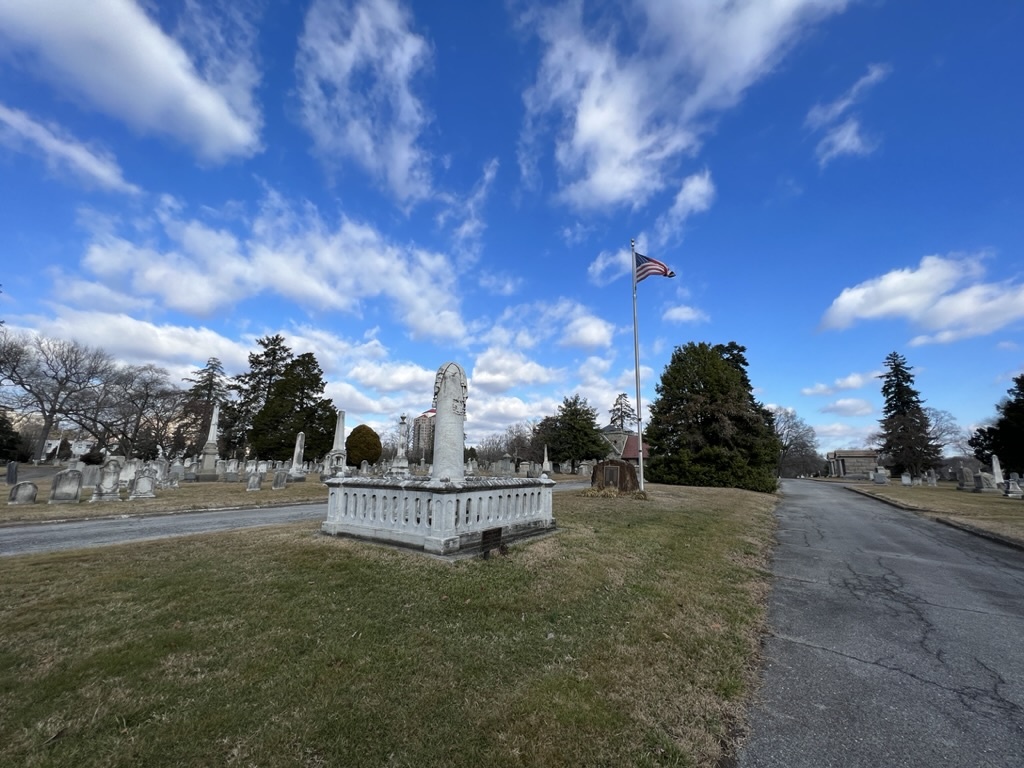
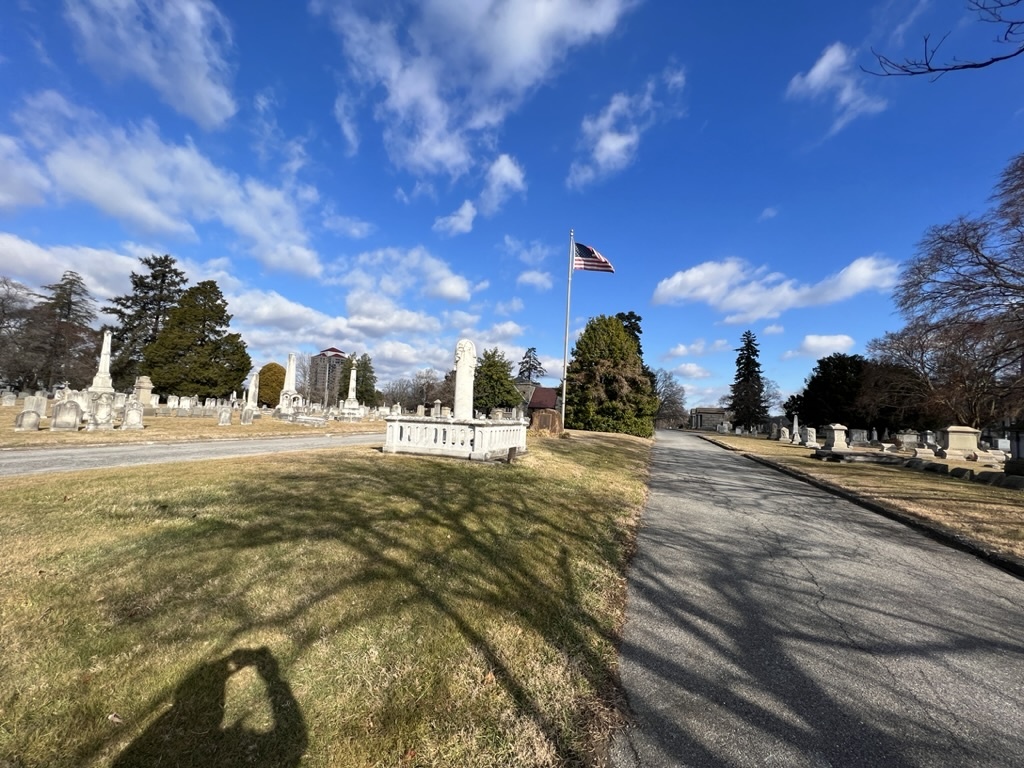
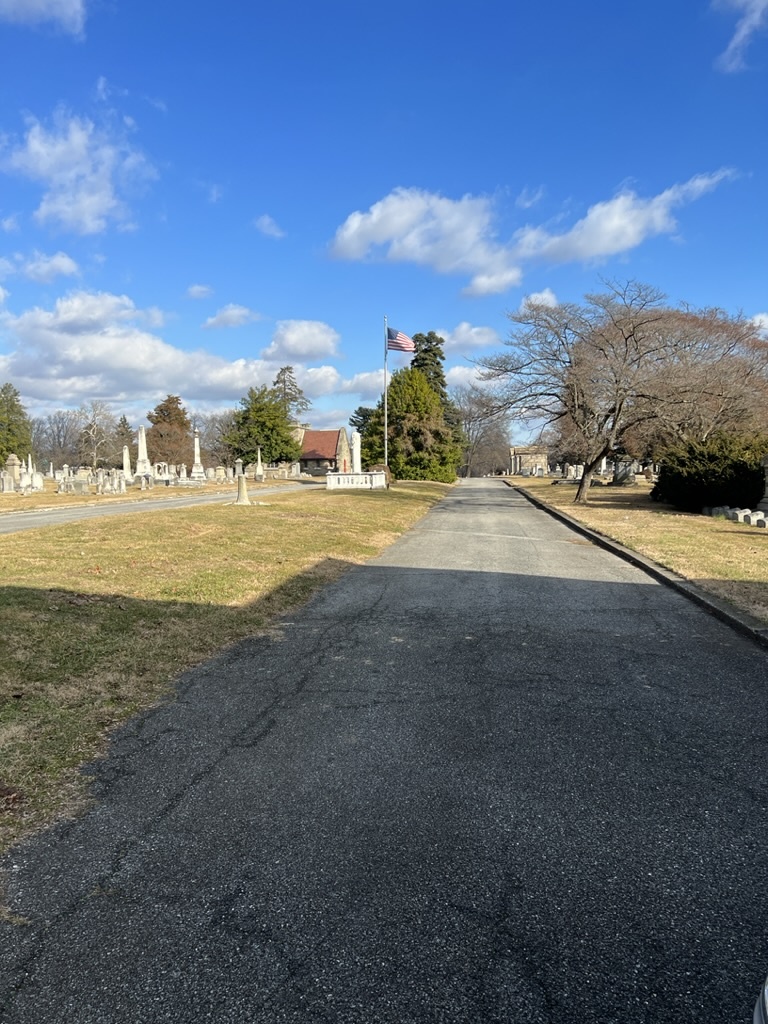
On October 24, 2013, Bedford Gunning Jr. and members of his family found a new home in a below-ground concrete vault at the Wilmington and Brandywine Cemetery, in downtown Wilmington, just blocks from his original resting place.”
Ginger Stout



Leave a Reply