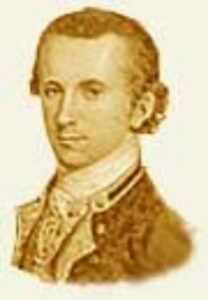
Thomas Heyward Jr.
Signer of the Declaration of Independence from South Carolina
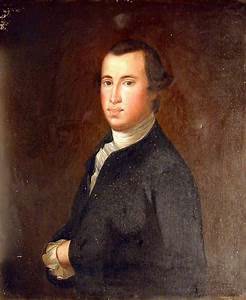
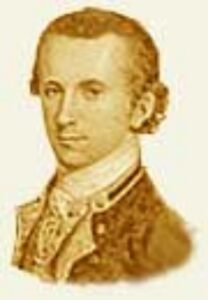
Thomas Heyward Jr.’s life tells the story of a Southern planter who became a revolutionary statesman, endured imprisonment for the cause of liberty, and later helped shape the legal foundations of a new nation.
Birth and Family Background
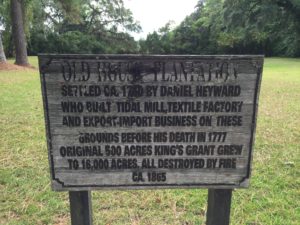
Thomas Heyward Jr. was born on July 28, 1746, at Old House Plantation in St. Helena Parish, South Carolina, into one of the colony’s prominent and well-established families. He was the son of Daniel Heyward, a wealthy rice planter, and Maria Miles Heyward, both members of the South Carolina planter elite. The Heyward family was deeply rooted in the Lowcountry’s agricultural economy, and their success in rice cultivation provided young Thomas with a comfortable upbringing and access to excellent education.
Growing up among South Carolina’s coastal plantations, Heyward was exposed early to the responsibilities of land ownership, politics, and community leadership. Like many sons of wealthy colonial families, he was groomed for a life of public service.
Education and Legal Training
Heyward received his early education in South Carolina before being sent abroad for advanced studies—a common practice among the sons of affluent colonial families. He traveled to England, where he studied law at the Middle Temple in London, one of the four Inns of Court responsible for training barristers.
During his time in England, Heyward gained not only legal knowledge but also firsthand exposure to British political culture. This experience helped shape his understanding of the constitutional disputes that would later arise between the American colonies and Great Britain.
After completing his studies, he returned to South Carolina around 1771 and began practicing law. He quickly earned a reputation as a capable attorney and a respected member of Charleston society.
Entry into Public Service
Heyward’s legal training and family connections naturally led him into public life. As tensions between the colonies and Britain intensified in the early 1770s, he became involved in the political resistance movement.
He was elected to the South Carolina Provincial Congress, the revolutionary governing body that replaced royal authority in the colony. His leadership abilities and dedication to the Patriot cause soon made him a trusted figure among South Carolina’s revolutionary leaders.
Role in the American Revolution
In 1775, Heyward was elected to the Continental Congress, representing South Carolina. There, he joined other colonial leaders in debating the future of the American colonies.
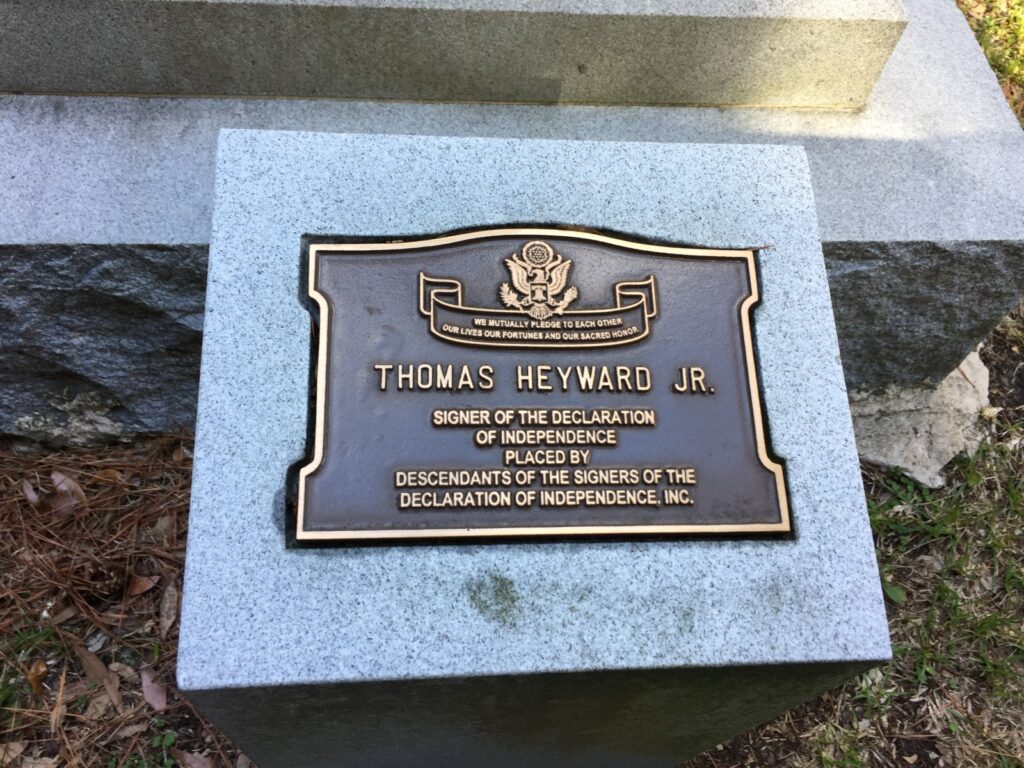
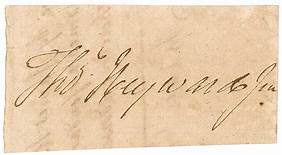
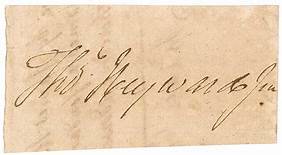
When the question of independence came before Congress in July 1776, Heyward voted in favor of separation from Great Britain. His signature appears on the Declaration of Independence, marking his commitment to the revolutionary cause and placing his life and property at considerable risk.
After signing the Declaration, Heyward returned to South Carolina, where he played an active role in the state’s military and political efforts during the war. He served as an officer in the South Carolina militia, rising to the rank of captain of artillery.
Capture and Imprisonment
Heyward’s wartime service came at great personal cost. In 1780, during the British siege and capture of Charleston, he was taken prisoner along with several other prominent Patriot leaders, including fellow signers Edward Rutledge and Arthur Middleton.
The British transported them to St. Augustine, Florida, where they were held as prisoners of war. Conditions were difficult, but Heyward reportedly remained steadfast in his patriotic convictions. He spent nearly a year in captivity before being released in a prisoner exchange in 1781.
During the war, British forces also occupied and damaged his plantation, causing significant financial losses.
Judicial Career and Public Leadership
After the war, Heyward returned to South Carolina and resumed his legal career. His reputation for integrity and legal skill led to his appointment as a judge of the South Carolina Court of Common Pleas and General Sessions, one of the state’s highest judicial positions.
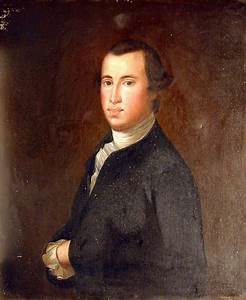
He served on the bench from 1778 to 1789, playing a key role in helping restore civil government and legal order in South Carolina after the disruptions of the Revolutionary War.
Heyward was known as a fair and thoughtful judge, respected for his commitment to justice and the rule of law. Although he remained influential in South Carolina society, he gradually withdrew from active political life.
Personal Life and Family
Thomas Heyward Jr. married Elizabeth Mathews in 1773, the daughter of John Mathews, a wealthy South Carolina planter and statesman. The marriage strengthened his ties to other prominent Lowcountry families.
Tragically, Elizabeth died in 1782, leaving Heyward widowed. He later remarried in 1786 to Elizabeth Savage, with whom he had several children. His family life centered around his plantations and the social world of South Carolina’s coastal aristocracy.
Like many planters of his time, Heyward’s wealth and lifestyle were tied to the institution of slavery, which formed the economic backbone of the Lowcountry rice plantations.
Later Years and Death
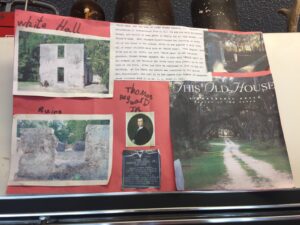
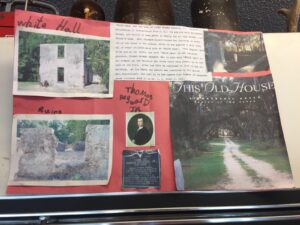
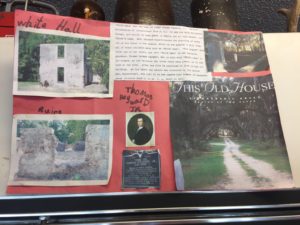
In his later years, Heyward retired from public office and devoted himself to managing his plantations and spending time with his family. He lived primarily at his estate, White Hall, in Jasper County, South Carolina.
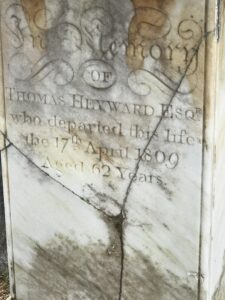
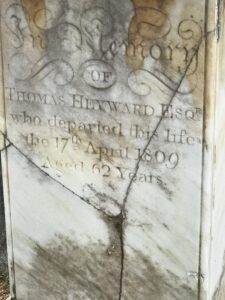
Thomas Heyward Jr. died on March 6, 1809, at the age of 62.
Burial Site
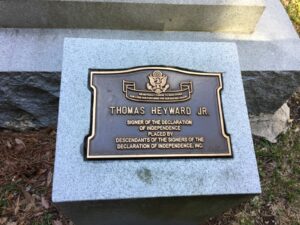
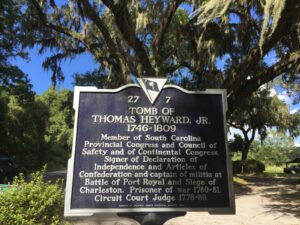
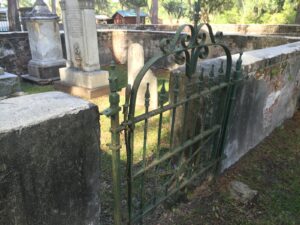
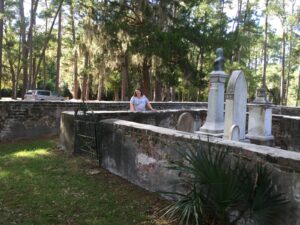
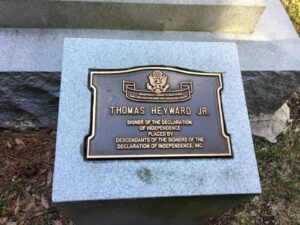
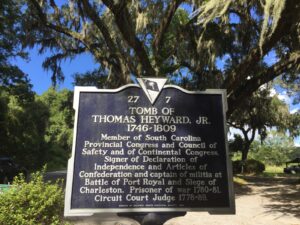
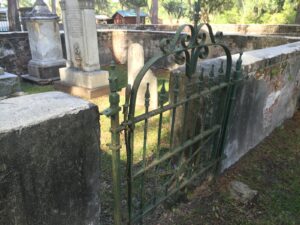
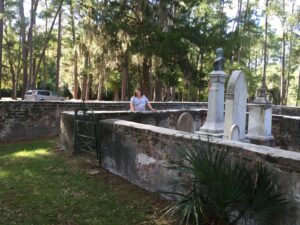
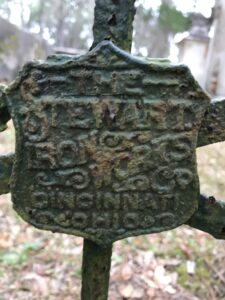
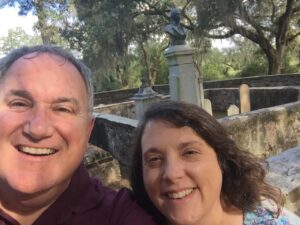
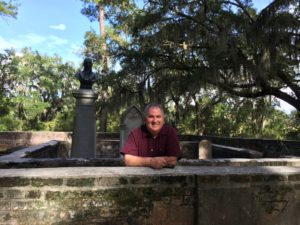
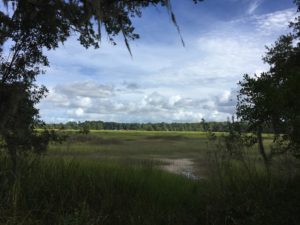
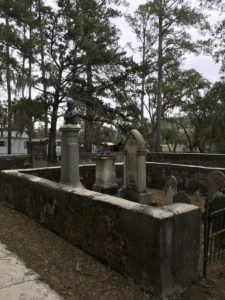
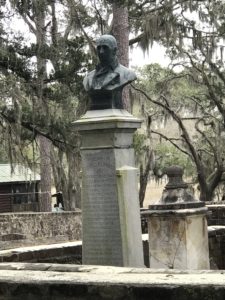
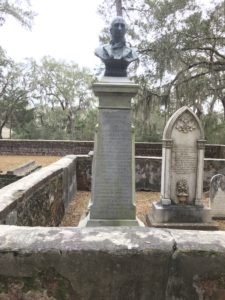
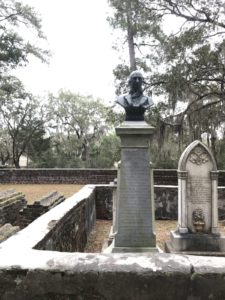
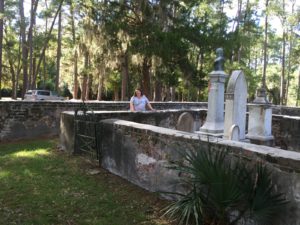
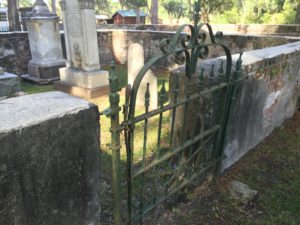
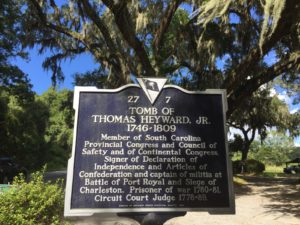
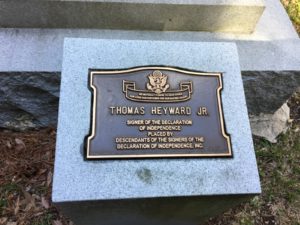
He was buried at the family cemetery at Old House Plantation in Jasper County, South Carolina. The site lies along the banks of the Okatie River and remains of historical interest to those tracing the lives of the Declaration’s signers.
Today, his grave stands as a reminder of his service to the new nation and the sacrifices made by the generation that fought for independence.
Legacy and Historical Significance
Thomas Heyward Jr. is remembered primarily for his role as a signer of the Declaration of Independence and as a loyal South Carolina Patriot during the Revolutionary War. His service in the Continental Congress, his military involvement, and his time as a prisoner of war all demonstrate his commitment to the cause of American independence.
After the war, his contributions as a judge helped stabilize South Carolina’s legal system during the republic’s fragile early years.
Though not as widely known as some of the more famous signers, Heyward’s life reflects the experiences of many Southern Patriots—men of wealth and influence who risked everything to support independence and later helped build the institutions of the new nation.
At a Glance
- Born: July 28, 1746 – St. Helena Parish, South Carolina
- Died: March 6, 1809 – Jasper County, South Carolina
- Profession: Lawyer, planter, judge
- Major Roles:
- Delegate to the Continental Congress
- Signer of the Declaration of Independence
- Officer in the South Carolina militia
- Judge of the South Carolina Court of Common Pleas
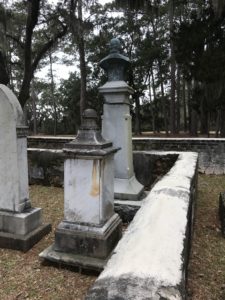
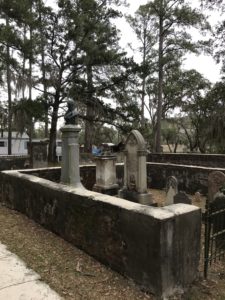
Here is an article on Thomas Heyward Jr. from the Descendants of the Signers of the Declaration of Independence – https://www.dsdi1776.com/signer/thomas-heyward-jr/
Leave a Reply