William Paca (1740–1799)
William Paca, a distinguished lawyer, statesman, and patriot from Maryland, played a pivotal role in America’s struggle for independence and in shaping the nation’s foundations.
Born into a prominent Maryland family on October 31, 1740, Paca pursued an elite education, graduating from the College of Philadelphia and later completing his legal training at the Middle Temple in London.
Returning to Annapolis, he established a respected law practice. He quickly became active in civic affairs, co-founding the Sons of Liberty in Maryland and emerging as an outspoken critic of British policies.
Paca’s political career advanced steadily. He was elected to the Maryland legislature and became a delegate to the First Continental Congress in 1774. A reserved yet principled figure, he worked tirelessly behind the scenes, drafting speeches and essays that gave voice to the patriot cause.
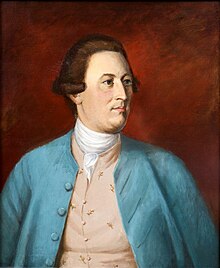
As one of Maryland’s delegates to the Continental Congress, Paca signed both the Olive Branch Petition in a last attempt at reconciliation and, ultimately, the Declaration of Independence on August 2, 1776. His vote and signature placed him among the 56 men who risked fortune and life for the principle of liberty.
Following independence, Paca continued his service at both the state and national levels. He sat in the Maryland Senate, was appointed a judge of the General Court and later the Court of Appeals, and maintained order during times of unrest on the Eastern Shore.
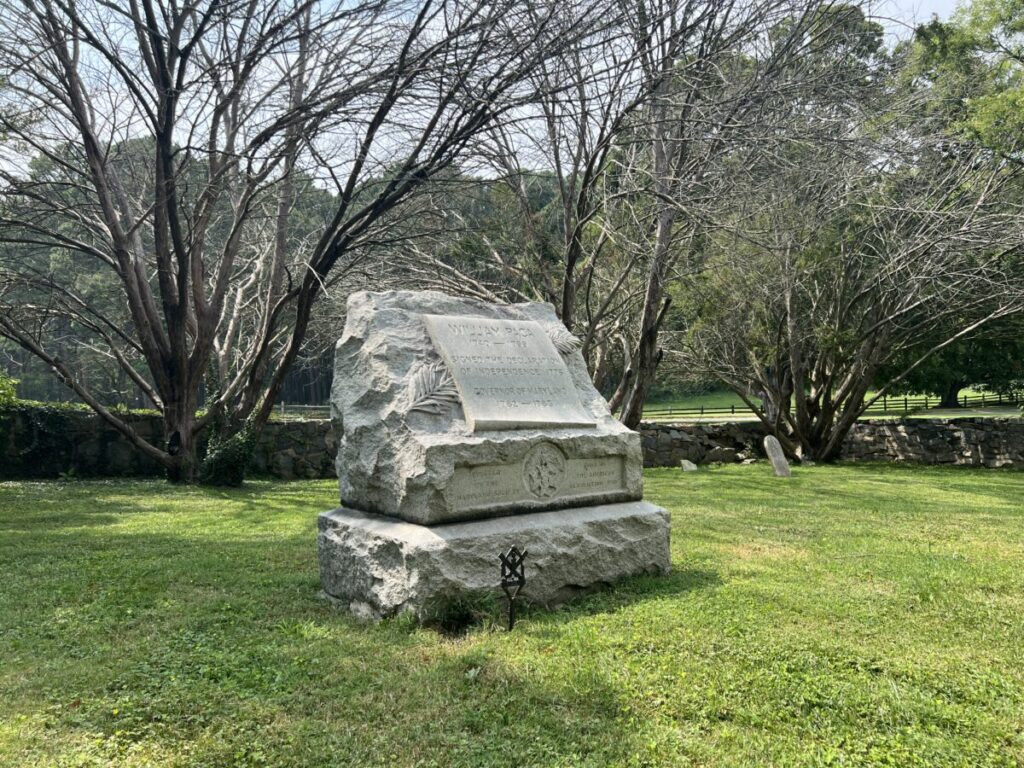
In 1782, he was elected Governor of Maryland, where he focused on strengthening the state during the fragile postwar years. A committed advocate of individual and states’ rights, Paca was a leading voice of the Antifederalist movement, urging amendments to the newly ratified Constitution. Many of his proposals—including protections for freedom of religion, freedom of the press, and safeguards against judicial overreach—were incorporated into the “Bill of Rights”.
In recognition of his integrity and legal acumen, President George Washington appointed him a federal district judge for Maryland in 1789, a position he held until his death.
William Paca died at his Wye Island estate on October 13, 1799, leaving behind a legacy of principled service and enduring contributions to the establishment of American liberty.
His restored Annapolis home and gardens today stand as a testament to his life and achievements, while his name endures among the honored Signers of the Declaration of Independence.


Leave a Reply