Arthur Middleton
(June 26, 1742 – 1787)
Signer of the United States Declaration of Independence
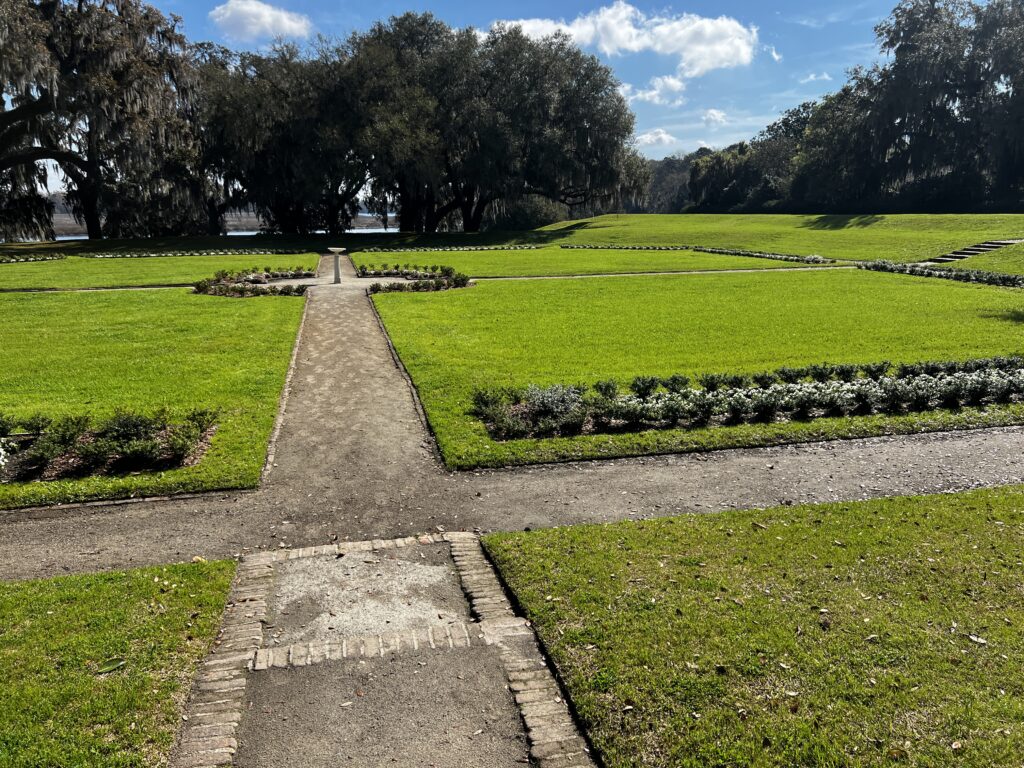
Arthur Middleton entered the world on June 26, 1742, at Middleton Place, a grand plantation overlooking the Ashley River in South Carolina. From the start, he stood at the center of one of the most powerful and influential families in the colony.
Early Life and Family Roots
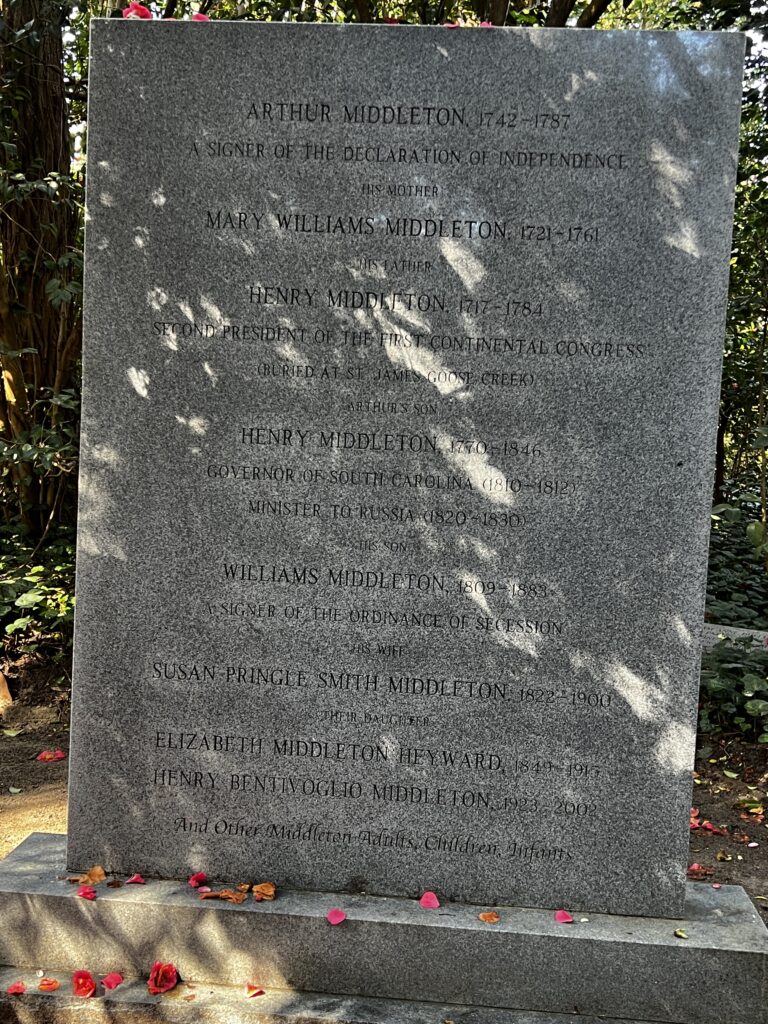
His father, Henry Middleton, built a reputation as one of South Carolina’s wealthiest and most politically active leaders. He owned tens of thousands of acres, held key government positions, and even served as President of the First Continental Congress. Arthur’s mother, Mary Williams, came from another prominent and well-connected family.
Arthur didn’t just inherit wealth—he inherited expectation. Leadership ran in the Middleton bloodline. His grandfather had served as acting governor, and earlier generations helped shape colonial governance in South Carolina. From an early age, Arthur lived in a world where public service and influence weren’t optional—they were part of the family identity.
Education and European Influence
Arthur’s family sent him to England at just 12 years old to begin his formal education. He attended Hackney School, Westminster School, and later Cambridge University, where he graduated at the age of 18.
He then pursued legal training at the Middle Temple in London, but he didn’t stop there. Arthur spent two additional years traveling throughout Europe, immersing himself in art, music, architecture, and classical literature.
These experiences shaped him. He mastered Latin and Greek, developed refined tastes, and returned home as a polished, thoughtful, and highly educated young man.
Marriage and Personal Life
After returning to South Carolina in 1763, Arthur quickly established both his personal and professional life. On August 19, 1764, he married Mary Izard, the daughter of a respected plantation owner and public official.
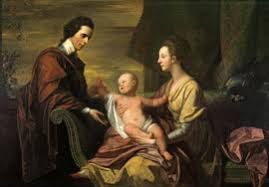
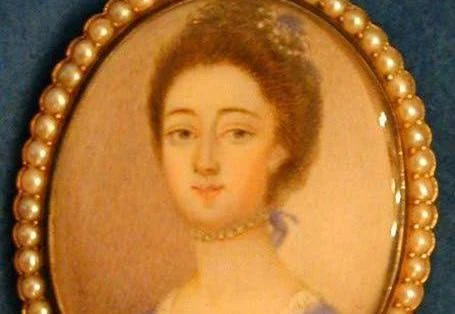
Together, they built a life at Middleton Place that reflected both refinement and warmth. Friends and contemporaries described Mary as intelligent, gracious, and engaging. Their home became a gathering place filled with conversation, culture, and hospitality.
Arthur didn’t just build a household—he created an environment where intellect, relationships, and shared purpose thrived.
Early Political Career
Arthur stepped into public life early and decisively.
In 1765, he accepted an appointment as Justice of the Peace in Berkeley County. That same year, voters elected him to the South Carolina House of Commons, where he served until 1768—and again from 1772 to 1775.
As tensions with Great Britain grew, Arthur took a clear stand. Unlike his father, who approached resistance more cautiously, Arthur embraced a more radical position. He aligned himself with the “American Party” and pushed for stronger opposition to British authority.
He didn’t wait for change—he helped drive it.
The Road to Revolution
By 1775, Arthur Middleton had become a central figure in South Carolina’s resistance movement.
Leaders appointed him to a secret committee charged with preparing the colony for defense. He helped organize military readiness, secure weapons, and strengthen Charleston Harbor against potential attack.
Arthur also took a hard stance against Loyalists. He supported confiscating their property and backed aggressive actions to weaken British influence within the colony.
In 1776, he joined the Council of Safety, where he helped organize military forces and coordinate the colony’s response to the growing conflict. He also played a role in drafting South Carolina’s state constitution and worked alongside William Henry Drayton to design the state’s Great Seal.
Arthur didn’t sit on the sidelines—he actively shaped the revolutionary movement in South Carolina.
The Continental Congress and Independence
When his father’s health declined, Arthur stepped into his place in the Continental Congress.
Once there, he made his presence known. He spoke frequently, argued forcefully, and supported the push toward independence with conviction.
In 1776, Arthur Middleton signed the Declaration of Independence.
He understood exactly what that meant. By signing, he risked his wealth, his land, his freedom, and his life. Yet he didn’t hesitate. He chose principle over security and committed himself fully to the cause of independence.
War, Capture, and Hardship
After signing the Declaration, Arthur returned to South Carolina and joined the local militia, helping defend Charleston from British forces.
In 1780, the war reached his home. British troops invaded the region, looted plantations, and devastated the surrounding countryside—including Middleton Place. While the main structures survived, soldiers stripped the estate of valuables and destroyed what they couldn’t carry.
Arthur initially avoided capture, but when British forces took Charleston, they arrested him along with fellow signers Edward Rutledge and Thomas Heyward.
The British transported them to St. Augustine, Florida, where they held them prisoner for nearly a year.
Arthur endured that captivity until July 1781, when officials secured his release through a prisoner exchange.
Return to Public Life and Later Years
After gaining his freedom, Arthur didn’t retreat from responsibility.
Leaders appointed him to the South Carolina State Senate, and voters re-elected him in 1782. He resumed his role in shaping the state’s future during the final stages of the Revolution.
But once peace arrived, Arthur made a deliberate choice. In 1783, he declined another opportunity to serve in Congress. Instead, he returned home to Middleton Place, determined to rebuild his estate and reconnect with his family.
He continued to serve locally—working in the state legislature and helping guide the College of Charleston as one of its original trustees—but he shifted his focus toward restoring stability and enjoying the life he had fought to protect.
Death and Legacy
Arthur Middleton died in 1787 at the age of 44, the same year delegates finalized the U.S. Constitution.
He was laid to rest in the family mausoleum at Middleton Place, surrounded by the land and gardens that had defined much of his life.
Although his life was relatively short, he left behind a legacy defined by action, conviction, and service.
The Middleton Legacy
Arthur’s legacy didn’t end with him.
His son, Henry Middleton, followed a similar path—serving as Governor of South Carolina, representing the state in Congress, and later acting as Minister to Russia.
His grandson, Williams Middleton, continued the family’s involvement in diplomacy and politics, even playing a role in the events leading up to the Civil War.
Generation after generation, the Middleton family remained deeply connected to the shaping of American history.


Middleton Place Today
Today, Middleton Place stands as a National Historic Landmark, preserving the story of Arthur Middleton and his family.
Although war, time, and natural disasters have taken their toll, visitors can still walk the grounds, explore the gardens, and experience the setting where Arthur lived, worked, and prepared for one of the most consequential decisions in American history.
Final Thoughts
Arthur Middleton didn’t simply inherit a legacy—he defined his own.
He combined education, conviction, and action at a moment when the future of a nation hung in the balance. He didn’t hesitate when the stakes were highest. He stepped forward, spoke out, and signed his name to a cause that would change the world.
He lived as:
- A scholar shaped by Europe
- A patriot driven by principle
- A leader forged through action
And in the end, he proved that true legacy comes not from what you inherit—but from what you choose to do with it.
Leave a Reply