John Morton
Signer of the Declaration of Independence from Pennsylvania
Early Life and Family Roots
John Morton was born in 1725 in Ridley Township, in what was then Chester County, Pennsylvania. His life began under difficult circumstances—his father died the same year he was born, leaving his mother, Mary Archer Morton, to raise him. She later remarried an English farmer and surveyor named John Sketchley, who became an important influence on young John’s life.
Morton’s ancestry traced back to early Swedish and Finnish settlers who arrived in the Delaware Valley in the mid-1600s. These colonial roots placed his family among the earliest European inhabitants of the region.
Unlike many of the Founders, Morton had very little formal schooling—possibly only a few months. But his stepfather taught him practical subjects like surveying, mathematics, reading, and moral instruction. That practical education proved more than enough to launch a lifetime of public service.
Farmer, Surveyor, and Community Leader
As a young man, Morton worked as a farmer and land surveyor, careers that were both respected and essential in colonial Pennsylvania. His surveying work and practical knowledge made him a trusted adviser among his neighbors, and he often helped settle disputes or manage local affairs.

His reputation for fairness, calm judgment, and reliability soon brought him into public life. At just 31 years old, he was elected to the Pennsylvania Assembly in 1756, marking the start of a long political career.
A Career in Law and Government
Morton’s rise in colonial government was steady and impressive, especially considering his modest education. Over the years, he held a wide variety of positions, including:
- Justice of the Peace
- High Sheriff of Chester County
- Presiding Judge of the Court of General Quarter Sessions
- Judge of the Court of Common Pleas
- Associate Justice of the Pennsylvania Supreme Court
He also served multiple terms in the Pennsylvania Assembly, eventually becoming its Speaker.
On the broader colonial stage, Morton was chosen as a delegate to the Stamp Act Congress in 1765, where representatives from several colonies met to protest British taxation.
By 1774, he had become a delegate to the First Continental Congress, placing him at the center of the growing conflict between the colonies and Great Britain.
The Crucial Vote for Independence
John Morton’s most famous moment came during the debates over independence in the Continental Congress. Pennsylvania’s delegation was divided on the issue. When the final vote on independence approached in July 1776, two delegates who opposed it chose not to vote.
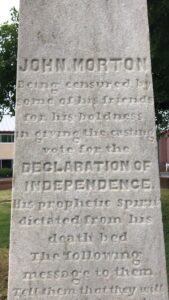
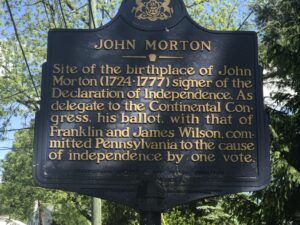
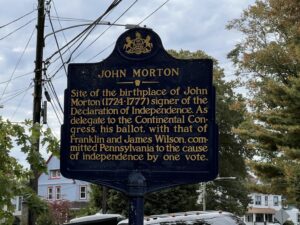
Morton cast the deciding vote that allowed Pennsylvania to support independence. That decision helped tip the balance in favor of the colonies declaring themselves free from Britain.
He signed the Declaration of Independence on August 2, 1776, joining the other delegates in what was considered an act of treason against the British Crown.
Work on the Articles of Confederation
After the Declaration, Morton continued serving in Congress. He was chosen to chair the committee responsible for drafting the Articles of Confederation, the young nation’s first constitution.
Unfortunately, he would not live to see that document adopted.

Final Days and Death
John Morton became ill—likely with tuberculosis—while still serving in Congress. He died on April 1, 1777, at about 51 years old, becoming the first signer of the Declaration of Independence to die.
He left behind his wife, Ann Justis Morton, and their children.
Burial Site
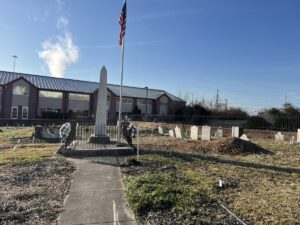
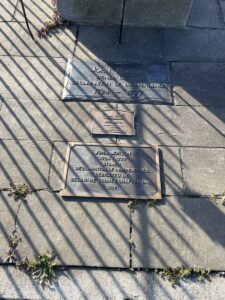
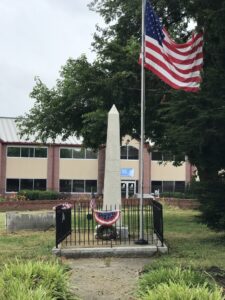
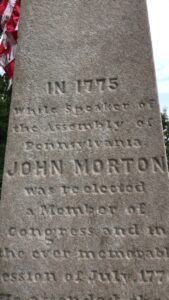
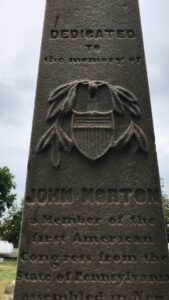
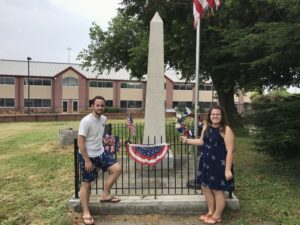
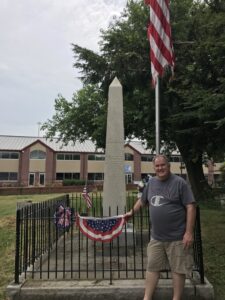
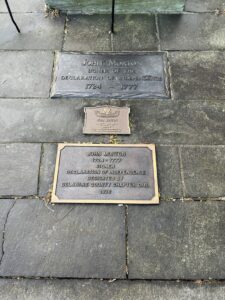
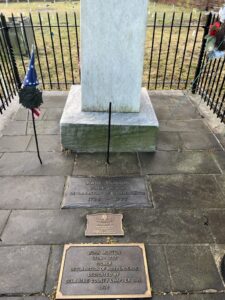
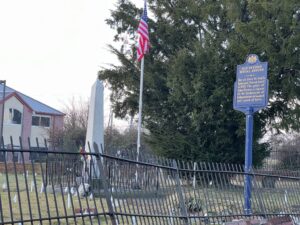
Morton is buried at Old St. Paul’s Church Burial Ground in Chester, Pennsylvania. His grave is marked by a monument honoring his role as a signer of the Declaration and a patriot of the Revolution.
Legacy
John Morton’s life is a powerful example of how practical intelligence, character, and dedication to public service could carry a man from humble beginnings to the center of history.
He was not among the most famous Founders, but his vote for independence proved decisive. Without it, Pennsylvania might not have supported the Declaration when it mattered most.
Morton died before he could see the nation he helped create take shape, but his contribution—especially that crucial vote—secured his place among the men who made American independence possible.
Quick Facts
- Born: 1725, Ridley Township, Pennsylvania
- Died: April 1, 1777 (age 51)
- Profession: Farmer, surveyor, jurist
- Major Offices:
- Pennsylvania Assembly member and Speaker
- Sheriff of Chester County
- Justice of the Peace and judge
- Delegate to the Continental Congress
- Famous for: Casting the decisive Pennsylvania vote for independence

Leave a Reply