William Samuel Johnson
Signer of the US Constitution from Connecticut
(1727–1819)
Connecticut
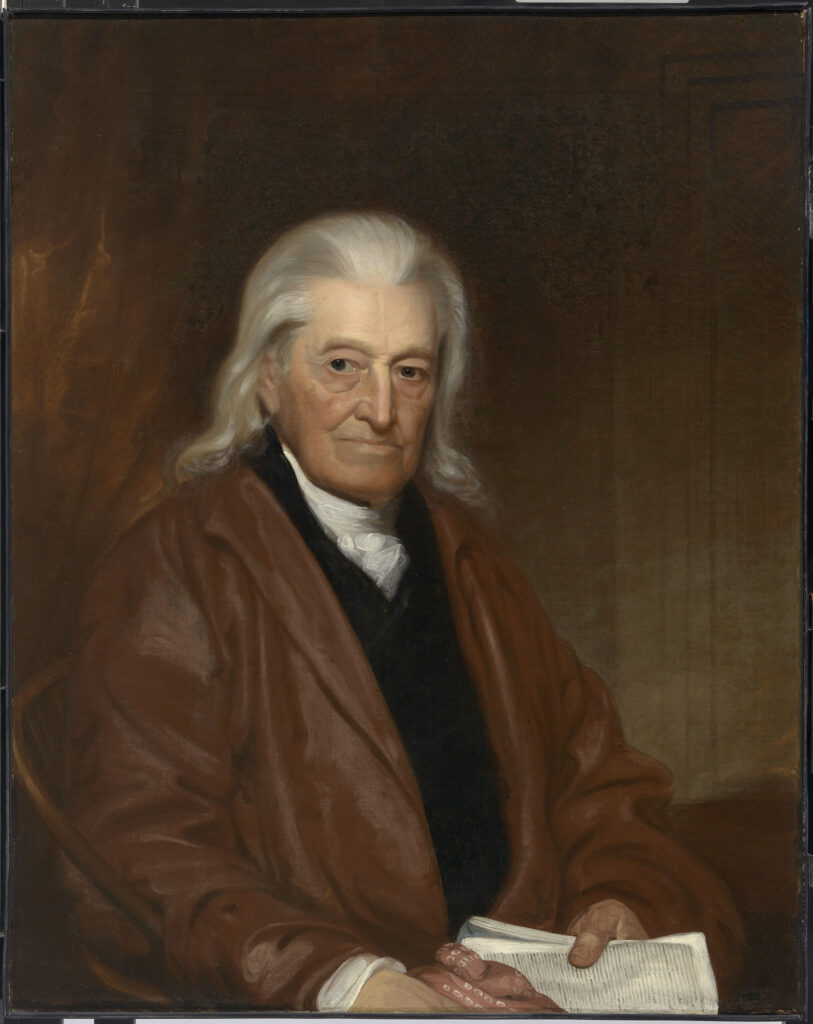
Birth and Early Life (1727–1749)
William Samuel Johnson was born in 1727 in Stratford, Connecticut, into a family that already carried influence and intellectual weight. His father, the Reverend Samuel Johnson, was a respected Anglican minister and later became the first president of Columbia University.
From the beginning, Johnson was set on a path of education and discipline. His father personally prepared him for college, and by the age of 17, he graduated from Yale University in 1744. Within just a few years, he earned his master’s degree.
At that point, his father hoped he would enter the ministry. But Johnson made an early independent decision—he chose law instead. That choice would define the rest of his life.
Family and Professional Rise (1749–1765)
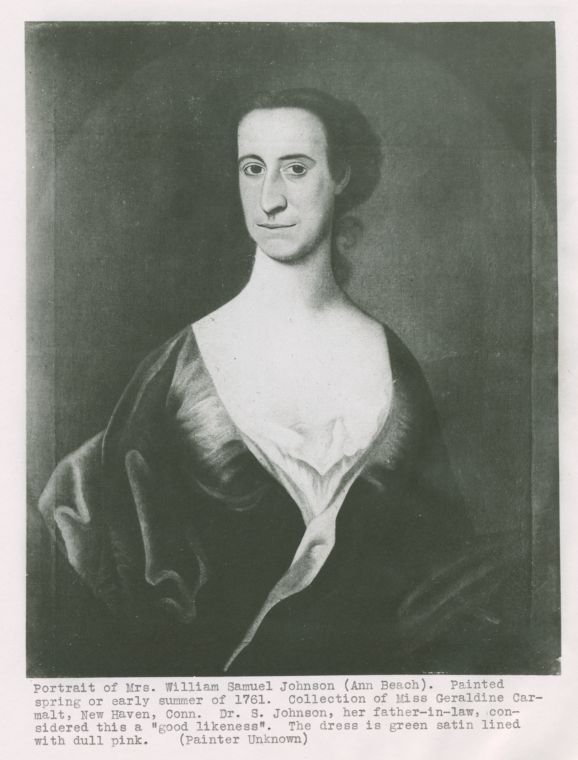
In 1749, Johnson married the daughter of a successful businessman, strengthening his position within New England’s upper social circles. This marriage, combined with his growing legal career, placed him squarely among the colonial elite.
He grew his law practice in Connecticut and in neighboring New York. By the 1750s, he also served as a militia officer, adding leadership and public service to his resume.
By the early 1760s, Johnson stepped into politics, serving in Connecticut’s colonial assembly and eventually rising to the upper house by 1766. At this point, he was firmly established as a respected lawyer, public servant, and member of the colonial leadership class.
The Revolutionary Crisis and Divided Loyalties (1765–1783)
Though tensions between Great Britain and the colonies escalated, Johnson found himself in a difficult and very human position—caught between loyalty and change.
He participated in the Stamp Act Congress (1765), showing concern about British policies.
Instead of choosing sides, Johnson pursued a middle path. He advocated for reconciliation between Britain and the colonies and resisted the growing radical movement in New England.
He even refused a seat in the First Continental Congress.
That decision came with consequences.
As revolutionary sentiment intensified, Johnson lost his political footing in Connecticut. At one point, he was even arrested as a Loyalist, accused of communicating with the enemy—though he was later released.
This period is key to understanding him. Johnson wasn’t indecisive—he was cautious, measured, and unwilling to rush into a break he believed might be avoided.
Return to Public Life After the Revolution (1783–1787)
With the war over and independence secured, and the political scene changed, so did Johnson’s role in it.
He returned to public life and served in the Confederation Congress, helping guide the young nation under the Articles of Confederation. His experience, legal knowledge, and steady temperament rendered him a valuable voice during a fragile time.
But his most important contribution was just ahead.
The Constitutional Convention (1787)
In 1787, Johnson was selected as one of Connecticut’s delegates to the Constitutional Convention in Philadelphia.
He arrived early—June 2—and didn’t miss a single session. That consistency alone tells you how seriously he took the task.
Johnson wasn’t the most dynamic speaker in the room, but he brought something just as valuable: judgment, balance, and a preparedness to compromise.
He strongly supported the Connecticut Compromise, crafted by fellow delegate Roger Sherman. This agreement helped resolve one of the Convention’s biggest disputes—how states would be represented in Congress.
Johnson also chaired the Committee of Style, working alongside figures such as Gouverneur Morris to draft the final wording of the Constitution.
More than anything, Johnson appreciated what was happening in that room. He saw that success wouldn’t come from winning arguments—but from finding common ground.
Ratification and National Service (1787–1791)
After the Convention, Johnson returned to Connecticut and became a strong advocate for ratifying the Constitution.
He argued that the new government would not rely on force, but on the rule of law—what he called the “energy of law.” It was a strong idea: a government that governed individuals fairly, rather than ruling through fear.
Once the Constitution was ratified, Johnson served in the first United States Senate, helping lay the basis for the new federal government.
Later Years and Death (1791–1819)
In 1791, Johnson stepped away from the Senate when the government moved from New York to Philadelphia. Instead, he chose to focus on education, serving as president of Columbia University.
He continued in that role until 1800, then retired from public life.
William Samuel Johnson died in 1819 at the age of 92, in Stratford, Connecticut—the same place where his story began.
Final Thoughts
When you look at Johnson’s life in order, a clear picture emerges.
He wasn’t a radical. He wasn’t a headline-maker.
He was something different—and in many ways, more essential:
A steady, thoughtful leader who valued balance over extremes and compromise in place of conflict.
He lived through one of the most turbulent periods in American history and helped shape its outcome—not by shouting the loudest, but by helping others find agreement when it mattered most.
Leave a Reply